
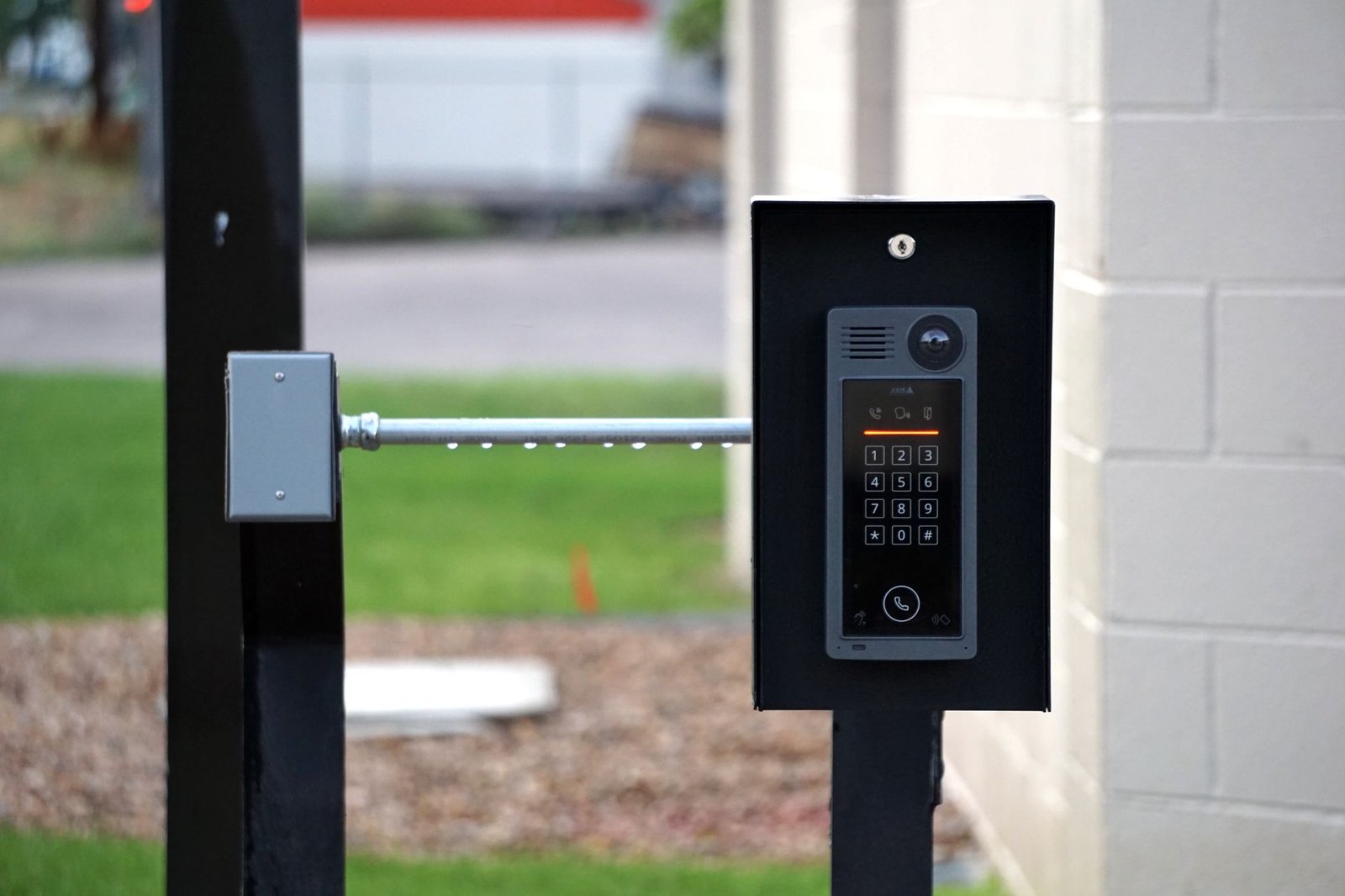
The choice between Ring and Nest smart video doorbells in 2026 largely hinges on a homeowner’s existing smart home ecosystem and specific security priorities. Both platforms have evolved significantly, now offering cutting-edge AI, enhanced connectivity, and robust features that cater to diverse residential needs. This comparison delves into the current state of these leading devices, aiding residents in determining which solution aligns best with their property’s security and convenience demands.
Advanced Features and Video Capabilities
As of 2026, both Ring and Nest doorbells deliver exceptional video quality, often exceeding previous generations with 2K or even 4K resolution options, accompanied by superior HDR (High Dynamic Range) capabilities. This ensures clear footage even in challenging lighting conditions, such as bright backlighting or deep shadows. Wider fields of view, approaching 180 degrees in some premium models, provide comprehensive coverage of the entryway.
AI-Powered Detection and Analytics
A significant leap for 2026 models lies in their sophisticated AI algorithms. Both brands offer highly accurate person detection, package detection, and customizable motion zones. Nest, leveraging Google’s AI prowess, often includes advanced familiar face recognition, allowing the device to distinguish between known household members and strangers. Ring has also significantly advanced its AI, offering pet detection and more granular event filtering to minimize irrelevant notifications. These intelligent features reduce false alerts, ensuring the homeowner is notified only of genuinely important activity.
Audio and Night Vision Excellence
Two-way audio communication has reached new levels of clarity, with advanced noise cancellation technology effectively filtering out street noise or wind, facilitating clear conversations with visitors. Night vision has transitioned beyond basic monochrome; 2026 doorbells from both companies feature enhanced color night vision, often augmented by improved IR LEDs, providing a more detailed and accurate depiction of activity after dark. Some models integrate ambient light sensors that adapt night vision intensity, optimizing power consumption and image quality.
Power and Connectivity Innovations
Powering these intelligent devices has also seen advancements. Battery-powered models now feature significantly extended battery life, utilizing high-density lithium-ion polymer cells and efficient processing, often lasting months on a single charge. Some even integrate discreet micro-solar panels for trickle charging, extending operational periods. Wired options remain popular for their continuous power and reliability. Connectivity has been future-proofed with widespread adoption of Wi-Fi 7 support for faster, more stable connections, and seamless integration through the Matter smart home standard, ensuring broader compatibility with various smart home hubs.
Ecosystem Integration and Connectivity
The core differentiator between Ring and Nest often boils down to their respective smart home ecosystems. A homeowner’s existing smart devices heavily influence the optimal choice.
Ring Ecosystem: Amazon and Alexa Dominance
Ring, an Amazon company, integrates deeply with the Alexa ecosystem. Residents utilizing Echo smart displays (like the Echo Show series) can seamlessly view live doorbell feeds, communicate with visitors, and receive announcements when motion is detected or the doorbell is pressed. Ring’s broader security ecosystem, including Ring Alarm and Ring cameras, creates a cohesive and expansive home security network managed through a single app. Integration with Eero Wi-Fi systems also enhances network reliability for Ring devices.
Nest Ecosystem: Google Home and Assistant Synergy
Nest doorbells are integral to the Google Home ecosystem. For homeowners with Nest Hubs or other Google Assistant-enabled devices, the experience is similarly seamless. Live views, visitor announcements, and two-way talk are effortlessly managed via Google displays. Nest’s familiar face recognition can also learn from the user’s Google Photos library, offering a more personalized experience. The integration extends to other Nest devices like thermostats and cameras, providing a unified smart home experience under the Google umbrella.
Data Privacy and Security
In 2026, both companies place a strong emphasis on data privacy and security. They offer features like end-to-end encryption for video streams, customizable privacy zones within the camera’s view, and transparent data handling policies. There’s also a growing trend towards more on-device AI processing for immediate alerts and reduced reliance on constant cloud uploads for basic detection, enhancing both privacy and speed.
Reliability, Durability, and Future-Proofing
Smart doorbells, being exterior devices, require robust construction to withstand diverse environmental conditions. 2026 models showcase significant advancements in material science and design for enhanced longevity.
Material Science and Environmental Resilience
Manufacturers are increasingly utilizing durable, weather-resistant composite plastics and aerospace-grade aluminum alloys for exterior casings, offering superior impact resistance and protection against UV degradation. Lenses are typically crafted from scratch-resistant, impact-absorbing polycarbonate with advanced hydrophobic coatings, ensuring clear optics even during rain or snow. These devices are designed to operate reliably across a wide range of temperatures, from freezing winters to scorching summers, often exceeding IP65 or IP66 weather-resistance ratings.
Software Longevity and Sustainable Design
Beyond hardware, the software aspect is crucial for future-proofing. Both Ring and Nest regularly release software updates that introduce new features, improve performance, and patch security vulnerabilities, ensuring devices remain relevant and secure for many years. There’s also an industry-wide push for more sustainable manufacturing processes, utilizing recycled content in components and designing for easier repairability and end-of-life recycling. Enhanced battery technology, including longer-lasting solid-state or high-density polymer cells, contributes to reduced electronic waste.
Subscription Models and Cost of Ownership
While the initial purchase price is a factor, the long-term cost of ownership, primarily driven by subscription services, is crucial for both Ring and Nest doorbells.
Ring Protect Plan
Ring offers its Ring Protect Plan, available in several tiers (Basic, Plus, Pro). These subscriptions typically provide cloud video storage for a specified duration (e.g., 60-180 days), extended warranties for devices, and access to advanced features like person-only motion alerts. The ‘Pro’ tier, specific to the Ring Alarm system, adds professional monitoring for a comprehensive security solution.
Nest Aware Subscription
Google’s Nest Aware subscription also comes in different tiers, offering continuous video recording (CVR) on select wired models, event video history, familiar face alerts, and intelligent sound detection (e.g., glass breaking). Nest’s pricing structure often simplifies options, focusing on event history duration and advanced AI features. The familiar face detection, in particular, is a premium feature often tied to a Nest Aware subscription.
Hardware Costs and Value Proposition
Initial hardware costs vary widely depending on the model, resolution, power option (wired vs. battery), and included features. Typically, 4K resolution models or those with advanced radar detection might command a higher premium. When evaluating the total cost, residents should consider not only the upfront investment but also the recurring subscription fees, which unlock the full potential of these smart doorbells, including cloud storage and advanced AI capabilities.
Conclusion
Deciding between a Ring and Nest smart video doorbell in 2026 ultimately depends on the homeowner’s existing smart home infrastructure and specific priorities. For residents deeply integrated into the Amazon Alexa ecosystem, Ring often presents a more cohesive and user-friendly experience, providing a broad range of security devices under a unified platform. Its diverse range of models and flexible subscription tiers cater to various budgetary and feature requirements.
Conversely, those with a strong preference for the Google Home ecosystem, particularly users who value advanced AI capabilities like familiar face recognition and seamless integration with Google Assistant and Nest Hubs, will likely find Nest doorbells to be the superior choice. Google’s design aesthetic and emphasis on intelligent learning often appeal to homeowners seeking a more sophisticated, hands-off approach to security.
Regardless of the chosen brand, both Ring and Nest continue to lead the market with exceptional video quality, robust AI, and durable designs that will serve residents well into the future. It is recommended that homeowners assess their current smart home setup, determine their primary security needs, and carefully review the features and subscription models of specific models available in 2026 to make an informed decision.