
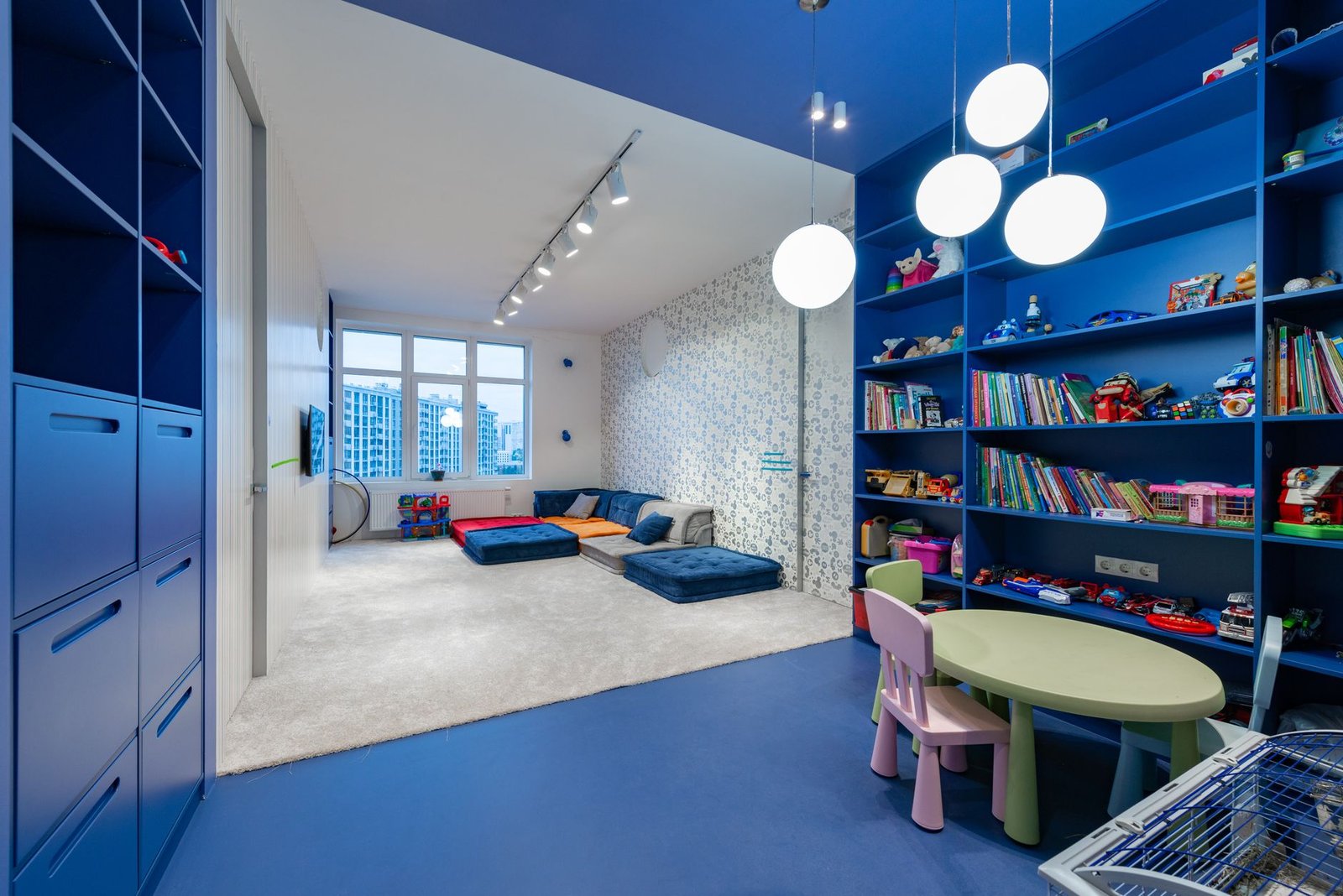
A living room filled with children’s toys can quickly transform a relaxing family space into a chaotic play zone. The question of how to discreetly manage this influx of playthings while maintaining aesthetic harmony is a common challenge for homeowners. Fortunately, a range of innovative solutions for 2026 addresses this exact dilemma, allowing residents to reclaim their living rooms with thoughtful, integrated, and visually appealing storage strategies.
The Modern Dilemma: Reclaiming Shared Spaces
In contemporary living, the lines between various household functions often blur. The living room, traditionally a space for adult relaxation and entertainment, increasingly serves as a multi-functional hub where family members of all ages converge. This evolution means toy storage must be more sophisticated than simple bins; it needs to be an invisible component of the overall design.
The Evolving Living Room
Modern home design emphasizes open-plan living, where sightlines are extended, and spaces flow seamlessly into one another. While this promotes connectivity, it also magnifies the visual impact of clutter. When toys are strewn across a living area, the entire home can feel disorganized. The aspiration for many residents is a space that can transition effortlessly from a vibrant play area to a serene adult retreat.
Why Discreet Storage Matters in 2026
The year 2026 brings with it a heightened focus on mindful living and intentional design. Homeowners are seeking solutions that contribute to mental well-being by reducing visual noise. Discreet toy storage is not just about tidiness; it is about preserving the calming atmosphere of shared spaces. Innovations in materials and modular design allow for storage that is not only functional but also seamlessly integrated into the room’s decor, often disappearing from plain sight when not in active use. Sustainable and durable materials are also paramount, reflecting an increased environmental consciousness.
8 Clever Storage Hacks for a Serene Living Room
Here are eight effective strategies to manage children’s toys, specifically tailored for shared living spaces and reflecting 2026 trends.
1. Integrated Furniture Solutions
-
Modular Sofas with Hidden Compartments: Many contemporary modular sofa systems feature built-in storage beneath cushions or within armrests. These are ideal for stowing away smaller toys, books, or games right where children often play.
-
Coffee Tables with Lift-Tops or Drawers: A versatile coffee table can conceal a surprising amount of clutter. Models with lift-tops provide easy access to a large internal compartment, while those with deep drawers keep items out of sight.
-
Storage Ottomans and Benches: These dual-purpose pieces offer comfortable seating while serving as spacious repositories for toys. Available in various fabrics and finishes, including stain-resistant performance materials common in 2026, they blend effortlessly with existing decor.
2. Vertical Storage: The Unsung Hero
-
Wall-Mounted Shelving Units: Utilizing vertical space keeps floors clear. Floating shelves or sleek wall units, particularly those with opaque doors or drawers, can house toys without visual clutter. Modern systems increasingly feature integrated, subtle lighting, highlighting display items while keeping storage hidden.
-
Cubby Systems with Baskets: Open cubby units become discreet storage when paired with attractive, uniformly sized bins or baskets. Woven materials like recycled felt, abaca, or sustainable plastic composites are popular choices for their durability and aesthetic appeal.
3. Dual-Purpose Decor
-
Stylish Baskets and Decorative Chests: Beyond purely functional bins, consider large, decorative baskets made from natural fibers or elegant chests that double as accent pieces. These can quickly swallow a collection of toys, becoming part of the room’s aesthetic rather than an eyesore. For 2026, sustainable, handcrafted options are especially sought after.
-
Hollow Poufs and Stools: Small, portable seating options can often contain internal storage. These are particularly useful for keeping small sets of toys or art supplies readily available but easily tidied away.
4. Under-Furniture Innovations
-
Low-Profile Rolling Bins: Designed to slide neatly under sofas, beds, or consoles, these bins are perfect for quick clean-ups. Many models in 2026 feature soft-rolling wheels that protect flooring and ergonomic handles for child-friendly access.
-
Built-in Sofa Drawers: For custom or semi-custom furniture, drawers integrated into the base of a sofa or sectional offer substantial, hidden storage that is accessible yet entirely out of sight.
5. Zoned Play Areas with Defined Boundaries
-
Rug-Defined Play Zones: A designated rug can psychologically and visually delineate a play area within the living room. Storage solutions are then concentrated within this zone, making clean-up more focused and preventing toy sprawl. Stain-resistant, hypoallergenic rugs are trending for family-friendly spaces.
-
Portable Play Tables with Built-in Storage: Smaller, often wheeled, play tables with integrated drawers or shelves allow toys to be kept within their immediate use area, then easily rolled away or tucked into a corner when not in use.
6. Digital Inventory & Rotation Systems
-
Toy Rotation Apps: While not a physical storage solution, digital tools can dramatically reduce the number of toys present in the living room at any given time. These apps help homeowners manage a larger toy collection by rotating items in and out of accessible storage, keeping children engaged with fewer items and simplifying clean-up.
-
Off-Site Storage Integration: For extensive collections, a well-organized off-site storage area (e.g., a closet or basement) coordinated with a digital inventory system ensures that only a curated selection of toys resides in the living space.
7. The Power of Mobile Storage
-
Wheeled Carts and Caddies: Multi-tiered utility carts on wheels can be invaluable. They allow toys to be easily brought out for play and then neatly tucked into a closet, pantry, or even behind a sofa when guests arrive or during non-play hours. Look for durable, lightweight designs.
-
Portable Fabric Bins: Lightweight fabric bins with handles are easy for children to carry and simple for residents to collapse and store when empty. These are excellent for quick clean-ups and moving toys between rooms.
8. Custom Built-Ins: Maximizing Every Nook
-
Window Seats with Storage: A window seat offers both a cozy reading nook and significant storage space underneath, perfect for larger items or collections. Custom designs can seamlessly match the room’s architectural style.
-
Integrated Wall Cabinetry: For residents desiring a truly minimalist look, custom wall cabinetry can be designed to blend perfectly with the wall, providing expansive hidden storage. Modern built-ins often feature touch-latch mechanisms for a handle-less, streamlined appearance.
Principles for Sustained Order in 2026
Implementing these hacks is only part of the solution; maintaining order requires a systematic approach.
Regular Decluttering and Rotation
A fundamental principle for managing toys is periodic decluttering. Regularly assessing what toys are truly being used and rotating items in and out of the living space prevents accumulation and keeps the collection fresh and engaging for children. This practice is supported by sustainable consumption trends, encouraging quality over quantity.
Empowering Children in the Process
Involving children in the clean-up process fosters responsibility. Easy-to-access, clearly designated storage solutions make it simpler for younger residents to put away their own toys, contributing to a sense of order and shared ownership of the living space.
Aesthetic Integration is Key
The most successful storage solutions are those that do not detract from the room’s overall aesthetic. By choosing pieces that align with the existing decor in terms of color, material, and style, the resident ensures that functionality enhances rather than compromises visual appeal. The 2026 focus on natural textures, muted palettes, and durable, sustainable materials offers numerous options for harmonious integration.
Transforming a toy-overwhelmed living room into a serene, organized sanctuary is an achievable goal for any homeowner. By leveraging integrated furniture, vertical solutions, dual-purpose decor, and other clever hacks, coupled with a proactive approach to organization, residents can create a harmonious environment for the entire family. The living room can once again serve as a calm, inviting space for all its varied functions, free from the visual chaos of misplaced playthings.