
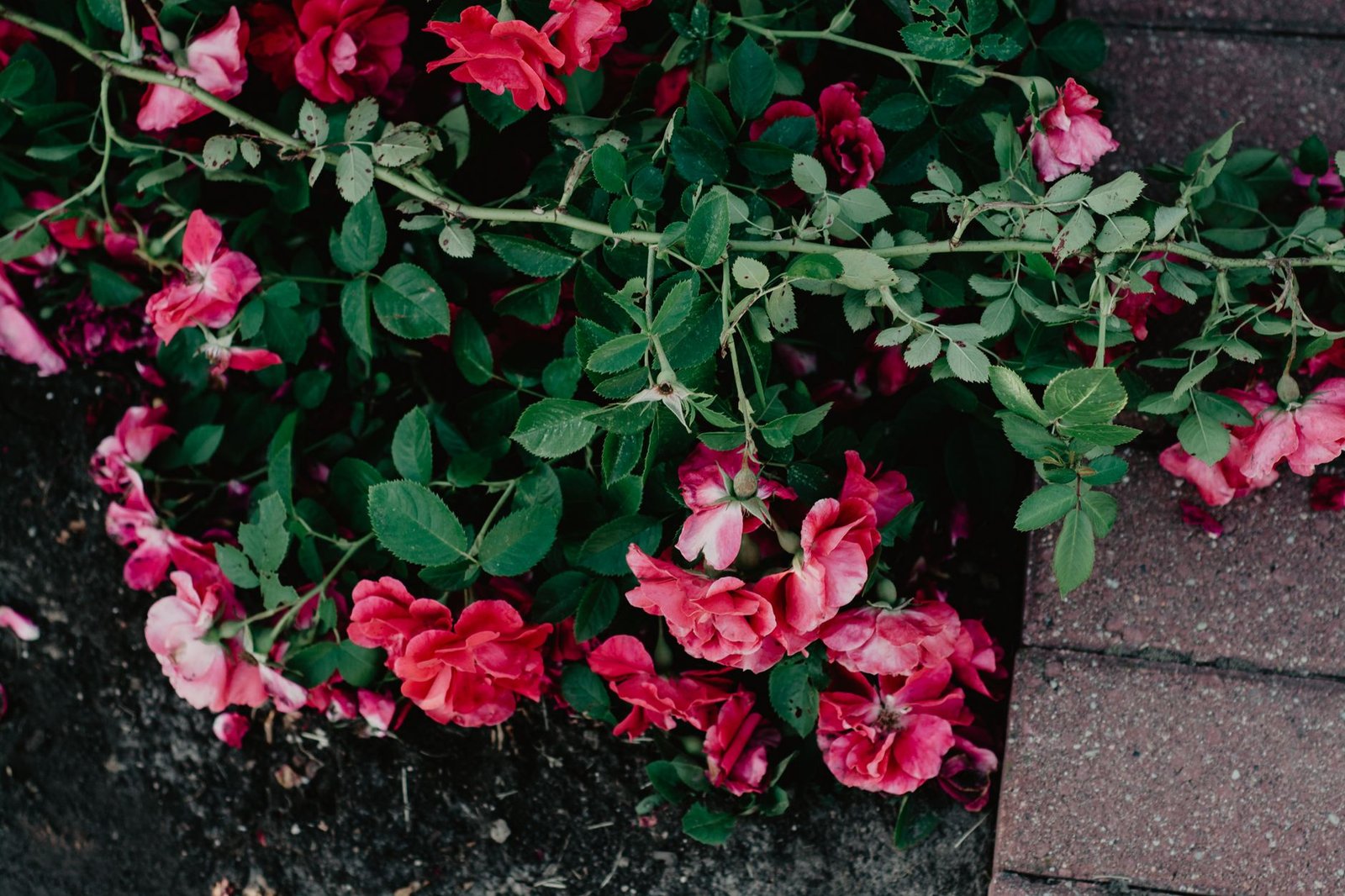
The Enigma of Unblooming Roses: Solving Pruning Puzzles for 2026
When roses fail to produce their expected vibrant blossoms, the underlying issue often stems from common pruning errors. Achieving an abundant and healthy display of roses throughout the 2026 growing season hinges significantly on mastering the art and science of proper pruning. This article identifies five critical pruning mistakes that can hinder floral production and offers actionable solutions to ensure the homeowner’s rose garden flourishes with maximal blooms.
The Foundation of Floral Abundance: Why Pruning Matters
Proper pruning is more than just trimming; it is a vital horticultural practice that invigorates the rose plant. It stimulates new growth, improves crucial air circulation within the plant’s structure, facilitates the removal of diseased or damaged wood, and allows for intentional shaping. By directing the plant’s energy towards producing strong, healthy canes and flower buds, pruning directly influences both the quantity and quality of blooms. Understanding the cyclical nature of rose blooming, where flowers typically emerge on new growth, underscores how precisely executed pruning can orchestrate a magnificent floral display.
Common Pruning Pitfalls Preventing 2026 Bloom Success
Mistake 1: Pruning at the Wrong Time
Timing is paramount in rose care. Pruning at an incorrect time can inadvertently remove developing flower buds or inflict undue stress upon the plant, delaying or preventing blooming. Early spring, typically when the last hard frost has passed and buds begin to swell, is the ideal period for dormant pruning for most rose varieties. This timing encourages vigorous new growth that will bear the season’s first flush of flowers. Pruning too early risks frost damage to new growth, while pruning too late can sacrifice potential blooms. Summer deadheading, the removal of spent flowers, is a distinct practice aimed at encouraging continuous blooming, not structural pruning.
Solution: The resident should research the specific rose variety and local climate conditions. For most modern hybrids, a late winter to early spring dormant prune is optimal. Old garden roses or once-blooming climbers may require pruning after their initial flowering cycle to preserve their unique bloom habits. Consulting regional horticultural guides or smart gardening apps, a growing trend in 2026, can provide tailored timing recommendations.
Mistake 2: Insufficient or Excessive Pruning
A balanced approach to pruning is crucial. Insufficient pruning often leads to leggy, overgrown plants with poor air circulation, making them susceptible to disease and producing smaller, fewer blooms. Old, woody canes become less productive over time and should be thinned. Conversely, excessive pruning can shock the plant, removing too much foliage essential for photosynthesis or eliminating too many future bloom sites. This over-stress delays plant recovery and subsequently impacts flowering potential.
Solution: The objective is to remove dead, diseased, or damaged wood, thin out crossing branches, and reduce overall plant size to promote robust new growth. A general guideline involves removing about one-third to one-half of the plant’s total growth during dormant pruning, focusing on opening the center for light and air. More specific guidance may be required for specific rose types; for instance, some shrub roses benefit from a lighter touch. Monitoring soil health and nutrient levels, potentially with 2026’s advanced soil sensors, can assist in plant recovery after more intensive pruning.
Mistake 3: Making Incorrect Cuts
The quality of each cut significantly impacts the rose’s health and recovery. Ragged or crushing cuts, often caused by dull tools, leave wounds that are slow to heal and invite disease and pests. Equally detrimental are cuts made too far from a bud, leaving a ‘stub’ that can die back, or cuts made too close to a bud, which can damage it. Cuts made at the wrong angle can also collect moisture, leading to fungal issues.
Solution: Always utilize sharp, clean pruning shears or loppers. Tools featuring ceramic or diamond-coated blades for enhanced durability and precision are gaining traction in 2026. Cuts should be made at a 45-degree angle, approximately one-quarter inch above an outward-facing bud. This angle helps water run off the wound, preventing rot, and directs new growth away from the plant’s center, improving air circulation. Sterilizing tools between plants with alcohol wipes can prevent the spread of diseases, a crucial best practice emphasized in modern horticulture.
Mistake 4: Neglecting Deadheading and Diseased Wood Removal
Overlooking the routine tasks of deadheading and removing diseased wood is a common error. Deadheading, the removal of spent blooms, is essential for continuous flowering in repeat-blooming roses. If left on the plant, spent flowers develop hips, signalling to the plant to cease producing new blooms as its reproductive cycle is complete. Ignoring diseased or damaged wood allows pathogens to spread and diverts the plant’s energy into fighting infection rather than producing flowers.
Solution: Regularly inspect roses for spent blooms, dead branches, or signs of disease such as black spot or powdery mildew. Deadhead by cutting back to the first set of five-leaflet leaves with an outward-facing bud. Promptly remove any diseased or damaged wood, cutting several inches into healthy tissue. Dispose of diseased material away from the garden, never composting it. The judicious use of bio-active sprays, offering targeted microbial support for plant health, is a modern approach for quick recovery and disease prevention in 2026.
Mistake 5: Overlooking Rose Type Specifics
Treating all roses as if they have identical pruning requirements is a significant mistake. Different rose classes—such as Hybrid Teas, Floribundas, Shrub Roses, Climbers, and Ramblers—have distinct growth habits and flowering patterns, each necessitating a tailored pruning strategy. Pruning a rambler like a hybrid tea, for instance, could remove all of its future blooms.
Solution: The resident must first identify the specific type of rose cultivated. For climbers and ramblers, formative pruning focuses on training canes, with heavy flowering occurring on older wood; therefore, minimal structural pruning is performed after establishment. Hybrid Teas and Floribundas benefit from more rigorous dormant pruning to encourage robust new flowering canes. Modern digital plant databases and AI-driven gardening apps, increasingly sophisticated in 2026, offer precise, personalized pruning schedules and techniques based on uploaded plant images and geographical data.
Cultivating a Thriving Rose Garden in 2026 and Beyond
Ensuring an abundant display of roses in 2026 extends beyond just mastering pruning. It is an integral part of a comprehensive horticultural regimen that includes optimal soil health, balanced nutrition, adequate watering, and proactive pest and disease management. Modern gardening trends for 2026 emphasize sustainable practices, smart irrigation systems that conserve water, organic soil amendments to enrich the rhizosphere, and integrated pest management (IPM) strategies that prioritize biological controls. By adopting these holistic and data-driven approaches, alongside meticulous pruning techniques, the resident can cultivate a rose garden that consistently delivers breathtaking floral displays year after year.
Conclusion
Achieving a spectacular showcase of rose blooms in 2026 is an attainable goal for any gardener. By understanding and meticulously avoiding these five common pruning mistakes—incorrect timing, unbalanced pruning, improper cuts, neglecting essential maintenance, and ignoring rose type specifics—the homeowner lays the groundwork for plant vigor and maximal floral production. Consistent application of these refined techniques, coupled with an appreciation for modern horticultural advancements, will transform any rose garden into a vibrant testament to careful cultivation.