
Introduction: Navigating Organic Aphid Control in 2026 Gardens
For the conscientious gardener, achieving a vibrant, thriving ecosystem free from pests is a perennial goal. When confronted with an aphid infestation in a 2026 garden, the question of the ‘best’ organic control often arises. There is no single silver bullet; rather, the most effective strategy involves an integrated, multi-faceted approach combining proactive prevention, biological allies, and targeted, eco-friendly interventions. This comprehensive guide explores safe and sustainable solutions for managing aphids, leveraging modern advancements and time-tested methods to ensure a healthy garden environment.
Aphids, those small, soft-bodied insects, can quickly multiply and devastate tender plant growth, leaving behind sticky honeydew and often transmitting plant viruses. In 2026, the emphasis remains firmly on sustainable, chemical-free practices that protect pollinators, beneficial insects, and the overall ecological balance of the home landscape. Organic pest control is not merely about eliminating pests but fostering a resilient garden that can naturally resist future invasions.
Understanding Aphids and Their Impact
Aphids pose a significant threat to a wide array of garden plants, including vegetables, fruits, ornamentals, and herbs. These sapsucking insects feed on plant fluids, leading to stunted growth, distorted leaves, and yellowing foliage. As they feed, aphids excrete honeydew, a sugary substance that attracts ants and provides a substrate for unsightly sooty mold. Beyond direct damage, some aphid species are vectors for plant viruses, further compromising plant health and yield.
Identifying an aphid infestation early is crucial for effective organic management. Regular inspection of new growth, undersides of leaves, and flower buds allows for prompt action before populations explode. Various species of aphids exist, appearing in colors such as green, black, white, yellow, or pink, but their control strategies largely remain consistent.
Proactive Prevention: The Foundation of a Pest-Free Garden
The strongest defense against aphids is a robust, healthy garden ecosystem. Prevention minimizes the need for direct intervention and fosters natural resistance.
Site Selection and Plant Health
- Choose Resistant Varieties: Where available, selecting plant cultivars known for their natural resistance to aphid species can significantly reduce potential issues. Information on disease and pest resistance is often available from seed suppliers and local agricultural extensions.
- Optimal Plant Care: Well-nourished and properly watered plants are more resilient to pest attacks. Avoiding excessive nitrogen fertilization is critical, as lush, succulent growth is particularly attractive to aphids. A balanced soil nutrient profile supports strong cell walls, making plants less appealing.
- Companion Planting: Strategically placing certain plants can deter aphids or lure them away from valuable crops. Nasturtiums, for example, can act as a trap crop, drawing aphids away from other plants. Alliums (garlic, chives, onions) emit scents that are known to repel aphids, while plants like cilantro, dill, and parsley attract beneficial insects.
Garden Hygiene and Monitoring
- Regular Inspection: Consistent monitoring, particularly during periods of new growth, enables early detection of aphid colonies. Focusing on the undersides of leaves and developing buds is essential.
- Weed Control: Many weeds can host aphid populations, serving as a reservoir for infestations to spread to desired garden plants. Maintaining a weed-free garden reduces these potential breeding grounds.
- Crop Rotation: For vegetable gardens, rotating crops annually helps break pest life cycles and prevents aphid populations from building up in the soil or overwintering on plant debris.
Harnessing Nature: Biological Controls for Aphid Management
Working with nature is a cornerstone of organic pest control. Encouraging and introducing beneficial insects is one of the most powerful and sustainable ways to manage aphid populations.
Beneficial Insects
Many insects are natural predators of aphids and should be welcomed into the garden. Creating a habitat that supports these allies is vital.
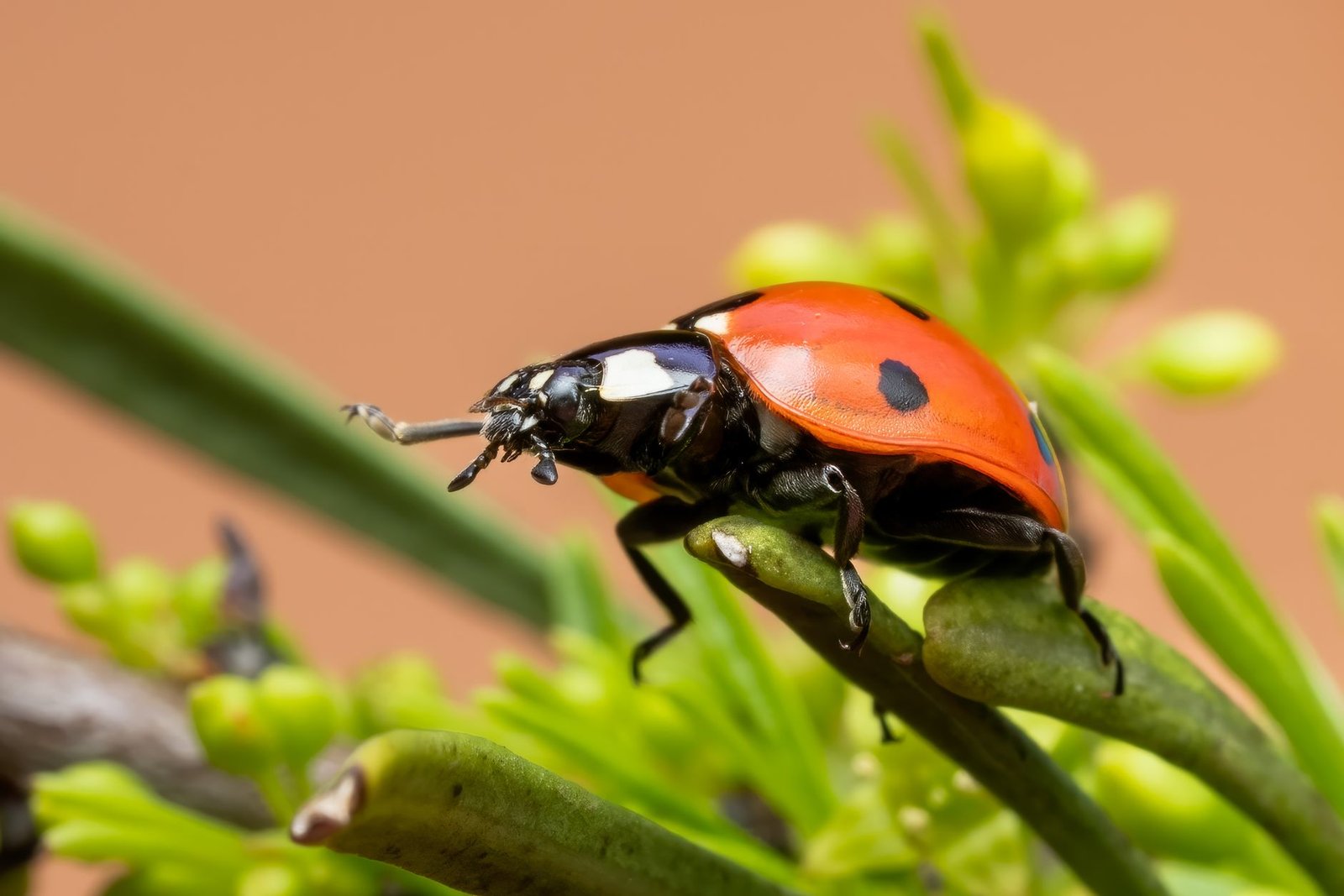
- Ladybugs (Lady Beetles): Both adult ladybugs and their larvae are voracious aphid predators. A single ladybug larva can consume hundreds of aphids during its development.
- Lacewings: Green lacewing larvae, often called ‘aphid lions,’ are highly effective predators, recognizable by their powerful jaws.
- Hoverflies: The larvae of hoverflies are significant aphid predators, often found among aphid colonies.
- Parasitic Wasps: These tiny wasps lay their eggs inside aphids, effectively mummifying them. The presence of ‘aphid mummies’ – swollen, tan, or black aphids – indicates parasitic wasp activity.
To attract these beneficials, gardeners should cultivate a diverse range of flowering plants that provide pollen and nectar. Avoiding broad-spectrum pesticides is paramount, as these chemicals kill beneficials alongside pests. In 2026, the availability of commercially reared beneficial insects for release continues to be a viable option for bolstering natural predator populations in instances of severe infestation.
Microbial Solutions
Advancements in biopesticides offer targeted organic solutions. Fungal biopesticides, such as those containing Beauveria bassiana or Lecanicillium lecanii, are increasingly sophisticated. These naturally occurring fungi infect aphids, leading to their demise. 2026 formulations often boast improved shelf life, more targeted delivery mechanisms, and enhanced efficacy under a wider range of environmental conditions, making them a more reliable tool for the organic gardener.
Direct Intervention: Mechanical and Botanical Strategies
When preventive measures and biological controls require assistance, several direct organic interventions can be employed.
Manual Removal and Physical Barriers
- Water Spray: A strong stream of water from a garden hose can physically dislodge aphids from plants. This method is most effective when performed early in the day to allow foliage to dry, minimizing fungal disease risk. Repeated applications may be necessary.
- Hand-Picking: For smaller infestations or particularly delicate plants, manually removing aphids by hand or wiping them off with a cloth can be effective.
- Insect Netting/Row Covers: For susceptible plants, particularly in vegetable gardens, fine mesh insect netting or floating row covers can physically exclude aphids. Modern materials available in 2026 are often more breathable, durable, and UV-resistant, offering long-term protection without hindering plant growth.
- Yellow Sticky Traps: While primarily used for monitoring, yellow sticky traps can capture adult winged aphids, helping to reduce initial populations and indicate the presence of an infestation.
Organic Sprays and Repellents
When applying any spray, even organic ones, it is essential to follow label instructions, test on a small area first, and apply in the evening to protect beneficial insects.
- Neem Oil: Derived from the neem tree, neem oil acts as an anti-feedant, repellent, and growth disruptor for aphids. It is systemic to some extent and relatively safe for beneficial insects once dry. 2026 formulations may offer improved emulsification for easier application.
- Insecticidal Soaps: These soaps work by disrupting the cell membranes of soft-bodied insects like aphids, leading to dehydration. They are effective on contact and leave no harmful residues, making them a favored organic option.
- DIY Garlic or Pepper Sprays: Homemade solutions using garlic or cayenne pepper infusions can act as repellents. While less potent than commercial options, they offer a quick, accessible first line of defense.
- Essential Oil Blends: Certain essential oils, such as rosemary, peppermint, and eucalyptus, can act as natural aphid repellents when diluted and sprayed on foliage. Their efficacy can vary, and careful dilution is necessary to avoid plant damage.
2026 Trends in Organic Pest Management
The landscape of organic pest control is continually evolving. In 2026, several key trends are shaping how homeowners approach aphid management:
- Smart Garden Monitoring Systems: AI-powered sensors and cameras offer early detection of pest activity, sometimes even before visible damage occurs. These systems can alert a resident to an emerging aphid problem, allowing for immediate, localized treatment.
- Enhanced Biopesticide Formulations: Research continues to improve the stability, specificity, and shelf-life of microbial and botanical biopesticides. This means more effective and user-friendly options for organic control.
- Precision Companion Planting Data: Sophisticated horticultural databases provide more precise guidance on companion plant pairings, backed by empirical data, to maximize pest deterrence and beneficial insect attraction.
- Focus on Biodiversity for Resilience: Beyond individual plant protection, there’s a growing understanding and emphasis on creating entire biodiverse ecosystems that naturally resist pests and diseases, fostering long-term garden health.
- Vertical and Hydroponic Adaptations: As urban gardening expands, organic aphid control methods are being tailored for vertical farms and hydroponic systems, with innovations in controlled environment biological releases and non-toxic fogging solutions.
Developing an Integrated Organic Aphid Management Plan
The ‘best’ organic aphid control for a 2026 garden is not a single product or method but an integrated pest management (IPM) plan that emphasizes observation, prevention, and timely intervention. An effective plan will include:
- Regular Scouting: Consistent monitoring is the foundation of early detection.
- Hygienic Practices: Keeping the garden clean and healthy minimizes pest habitats.
- Promoting Biodiversity: Attracting beneficial insects creates a natural deterrent.
- Targeted Interventions: Applying mechanical or botanical controls only when necessary and in a localized manner.
- Learning and Adapting: Observing the garden’s response to interventions and adjusting strategies as needed.
Conclusion: A Thriving, Aphid-Resistant Garden
Successful organic aphid control in 2026 gardens hinges on a commitment to ecological principles and an understanding of integrated strategies. By prioritizing plant health, fostering a welcoming environment for beneficial insects, and employing targeted, non-toxic interventions when needed, the homeowner can cultivate a resilient, chemical-free garden. This holistic approach not only protects plants from aphid damage but also contributes to a healthier, more sustainable home environment, ensuring a thriving landscape for years to come.