Small Yard Solutions: 7 Creative Ways to Grow More Vegetables in 2026
Cultivating a bountiful vegetable garden is entirely achievable even with limited outdoor space. Residents with small yards often face the challenge of maximizing their green footprint, but innovative strategies and modern horticultural advancements in 2026 offer numerous solutions to significantly increase vegetable yields. This article outlines seven creative approaches designed to transform compact areas into highly productive edible landscapes, leveraging current industry trends and material developments.
1. Embrace Vertical Wall Systems and Advanced Hydroponics
Vertical gardening remains a cornerstone for small-space cultivation, with 2026 seeing significant evolution in available systems. Wall-mounted planters and stackable tiered gardens are now more modular and aesthetically integrated, allowing the use of fences, exterior walls, or even balconies. Beyond traditional soil-based verticality, advanced hydroponic and aeroponic systems are becoming increasingly accessible for home users. These setups, which grow plants without soil using nutrient-rich water, offer accelerated growth rates and remarkable water efficiency. By 2026, many residential units feature integrated smart sensors that monitor nutrient levels, pH, and water circulation, often controlled via smartphone applications. Materials for these systems frequently include recycled and UV-stabilized plastics, alongside biocomposite options offering enhanced durability and sustainability.
2. Optimize Space with Trellises and Staking Strategies
Utilizing the vertical plane extends beyond dedicated wall systems. Employing trellises, arbors, and sophisticated staking methods allows vining plants to grow upwards, freeing up valuable ground space. Pole beans, cucumbers, indeterminate tomatoes, climbing squash, and even some compact melon varieties can be trained to ascend these structures. Contemporary designs incorporate modular metal frames, reinforced bamboo composites, and durable netting materials that are both functional and visually appealing. These systems not only support plant growth but can also serve as living privacy screens or shaded areas, adding multi-functional value to a small yard. Careful placement ensures maximum sun exposure throughout the day for optimal photosynthesis.
3. Implement Smart Container Selection
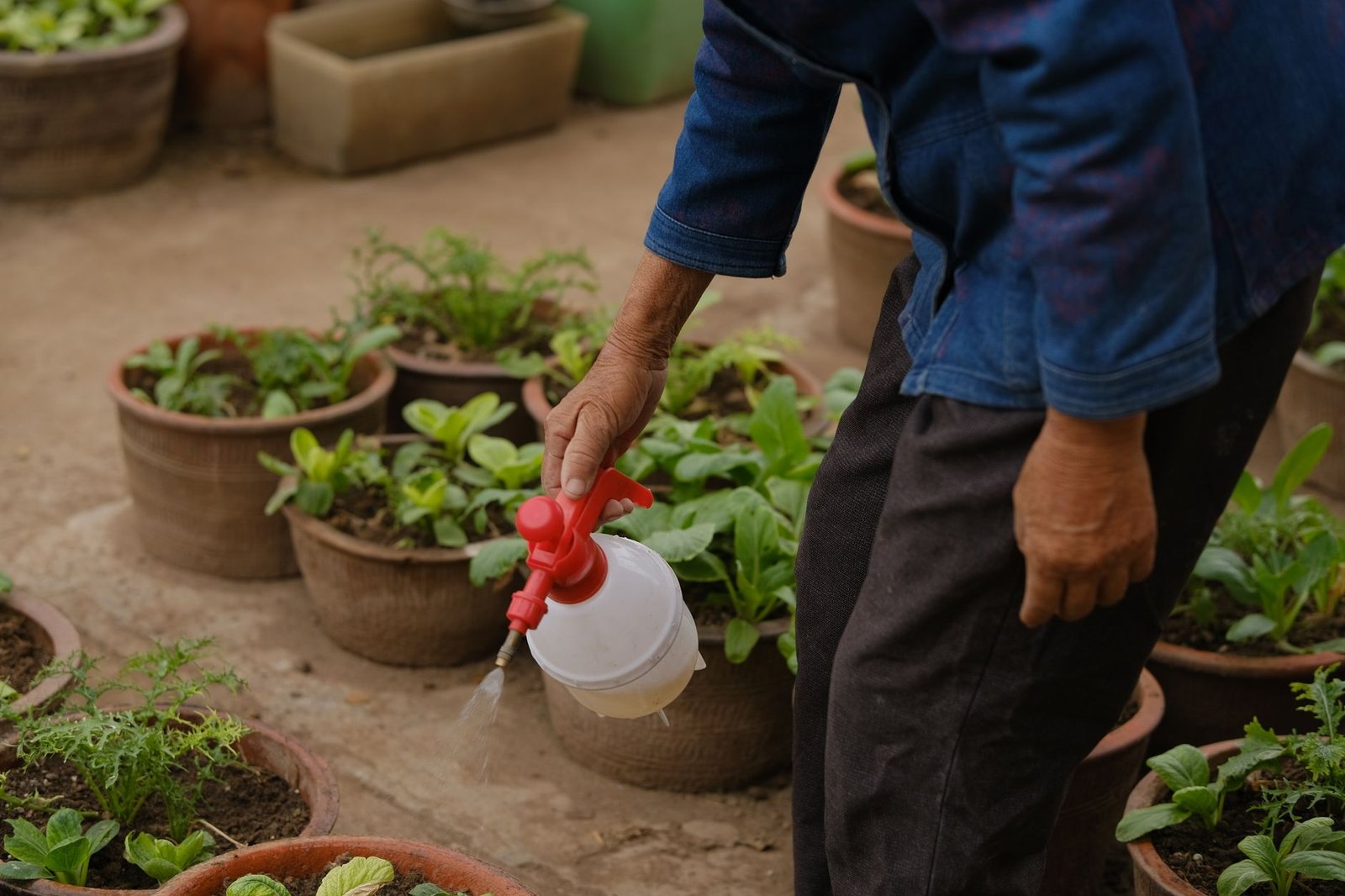
Container gardening is crucial for small yards, and the choices available in 2026 are more sophisticated than ever. Self-watering planters with integrated sub-irrigation systems significantly reduce watering frequency and prevent common issues like over or under-watering. Fabric grow bags, often referred to as ‘smart pots’, promote excellent root aeration and drainage, preventing root circling and encouraging robust plant growth. Material innovations include lightweight terracotta alternatives, UV-resistant recycled plastics, and even biodegradable options that can be planted directly into the ground at the end of the season. Selecting the appropriate container size for each vegetable is paramount; larger containers are necessary for root crops and indeterminate plants, while leafy greens can thrive in shallower, wider pots.
4. Harness Optimized Soil and Nutrient Delivery
Success in small-space container gardening hinges on the quality of the growing medium and efficient nutrient delivery. Lightweight, high-quality potting mixes, specifically formulated for containers, provide essential aeration and drainage. Incorporating slow-release organic fertilizers at planting ensures a steady supply of nutrients over several months, minimizing the need for frequent feeding. The use of mycorrhizal fungi inoculants in potting mixes is a growing trend by 2026, enhancing nutrient uptake, improving drought resistance, and fostering overall plant vigor. Supplementing with compost teas or balanced liquid feeds during active growth periods can further boost productivity, ensuring plants receive targeted nutrition precisely when needed without excessive runoff.
5. Practice Companion Planting and Succession Gardening
Strategic planting techniques can dramatically increase yield within a small footprint. Companion planting involves growing specific plant combinations that mutually benefit each other, such as deterring pests (e.g., marigolds or basil with tomatoes) or enhancing growth and flavor. This biodiversity can also improve soil health and attract beneficial insects. Succession planting maximizes continuous harvest by sowing short-season crops (like radishes, lettuce, or bush beans) every few weeks, or by immediately replanting an area once an initial crop has been harvested. Intercropping, where different crops are planted closely together to utilize every available inch, further enhances space efficiency, allowing for multiple harvests from the same plot.
6. Select High-Yield, Compact Vegetable Varieties
Plant breeders continually develop varieties optimized for smaller spaces and higher productivity. By 2026, homeowners have access to an extensive range of bush varieties of squash and cucumbers that sprawl less, dwarf fruit trees suitable for containers, and compact indeterminate tomato plants that continue to produce over a long season without requiring excessive space. ‘Cut-and-come-again’ leafy greens, like certain lettuces, spinach, and kale, provide multiple harvests from a single planting. Prioritizing varieties known for their concentrated fruit set or continuous production ensures that the limited space is utilized by plants offering the greatest return on investment in terms of edible yield.
7. Integrate Smart Garden Technology
The convergence of gardening and technology offers substantial benefits for small-yard cultivation. Smart sensors for soil moisture, pH, and nutrient levels provide real-time data, allowing residents to precisely meet their plants’ needs and avoid guesswork. Automated drip irrigation systems, now more affordable and user-friendly, deliver water directly to the root zone, minimizing waste and ensuring consistent hydration, which is crucial for containerized plants. Smartphone applications can control these systems, provide personalized planting calendars, suggest optimal feeding schedules, and even offer remote monitoring capabilities. These technological aids empower the gardener to manage their small plot with unprecedented efficiency and precision, maximizing yields with minimal effort.
By thoughtfully implementing these seven creative strategies, homeowners with small yards can transform their limited outdoor spaces into highly productive and rewarding edible landscapes. The advancements in horticultural practices and materials by 2026 provide unprecedented opportunities for abundant vegetable harvests, proving that a small footprint is no barrier to a thriving home garden.