
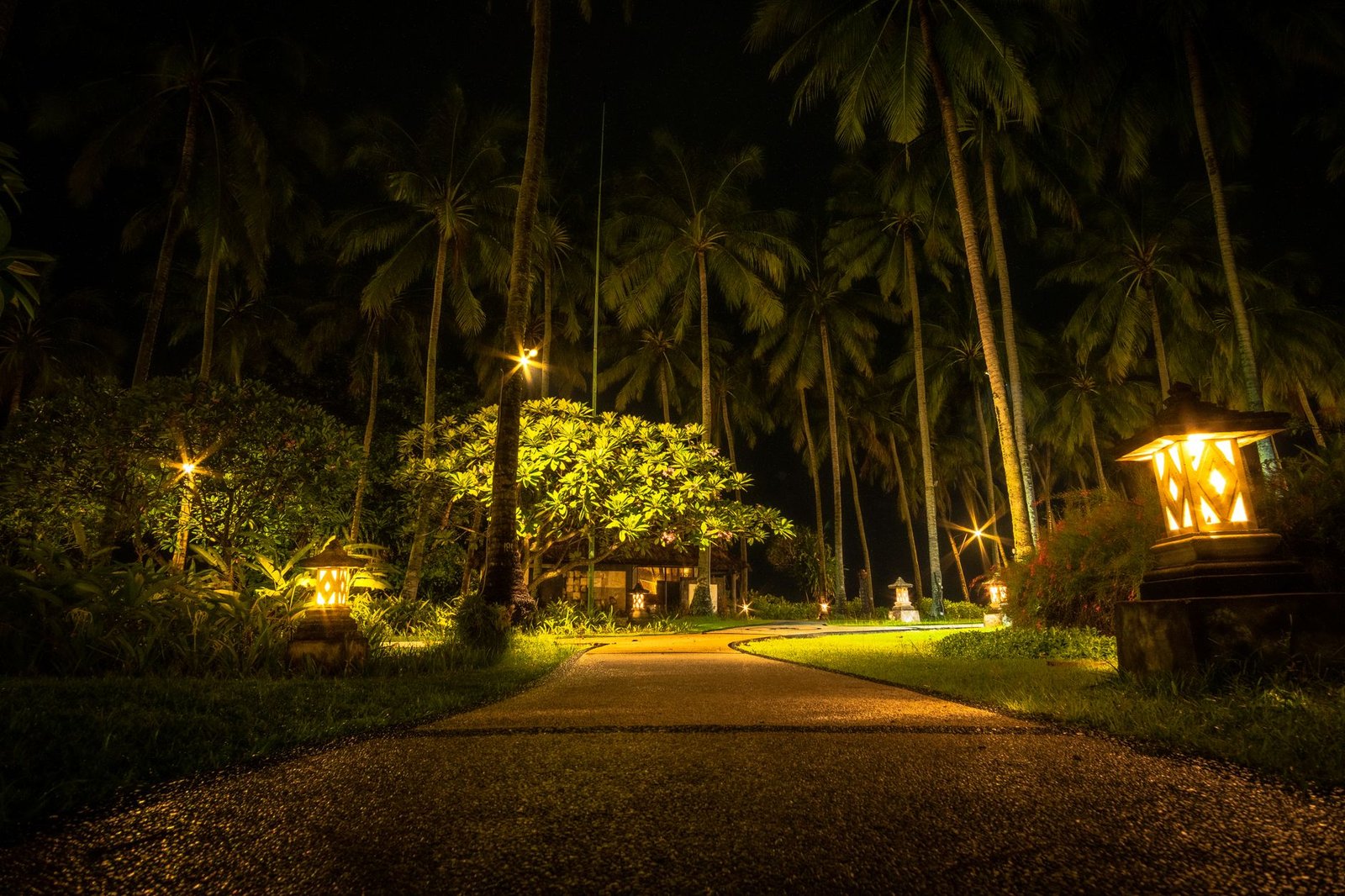
The optimal choice between solar and low-voltage outdoor lighting for a 2026 landscape depends significantly on specific priorities regarding installation complexity, operational costs, aesthetic integration, and ongoing maintenance. While solar solutions offer unparalleled ease of setup and energy independence, low-voltage systems typically provide superior reliability, expansive design flexibility, and consistent illumination. Understanding the distinct characteristics of each system, especially with modern advancements, is crucial for an informed decision.
Understanding Solar Outdoor Lighting in 2026
Solar outdoor lighting has undergone significant evolution, moving beyond mere accent lights to more capable illumination solutions. These systems harness photovoltaic panels to convert sunlight into electricity, storing it in integrated batteries for use after dusk.
How Solar Systems Work Today
Modern solar lights feature increasingly efficient monocrystalline silicon panels capable of higher energy capture even on overcast days. Battery technology has advanced, with long-lasting LiFePO4 (lithium iron phosphate) batteries now common, offering extended operational life and more consistent power discharge. Integrated smart sensors automatically detect dusk and dawn, while some premium models incorporate motion sensing for enhanced security and energy conservation.
Advantages of Solar Outdoor Lighting
- Effortless Installation: The primary appeal of solar lighting is its complete independence from the electrical grid. No trenching, wiring, or electrical permits are required, making installation a straightforward DIY project. Lights can be placed virtually anywhere the sun reaches.
- Zero Energy Costs: Once installed, solar lights operate entirely on harvested sunlight, incurring no utility expenses. This makes them an environmentally friendly choice, reducing the homeowner’s carbon footprint.
- Unmatched Flexibility: Solar fixtures are easily repositioned without electrical constraints, allowing residents to adapt their lighting scheme to evolving landscape designs or seasonal changes.
- 2026 Trends: Current advancements include sleeker, more discreet designs that blend seamlessly into the landscape. Improved LED efficiency means brighter output from smaller solar units, and some higher-end systems offer app-controlled scheduling or dimming via proprietary hubs, albeit not as universally as low-voltage systems.
Disadvantages of Solar Outdoor Lighting
- Performance Variability: The biggest drawback remains dependence on direct sunlight. Shady areas, prolonged cloudy weather, or shorter winter days can significantly impact the battery’s charge, leading to reduced brightness or shorter illumination durations.
- Limited Brightness and Spread: While improving, solar lights generally cannot match the sustained brightness or broad light spread achievable with wired low-voltage systems, particularly for larger areas or architectural uplighting.
- Battery Degradation: Over time, solar batteries will degrade, typically requiring replacement every 3-5 years, depending on quality and usage. This adds a recurring maintenance cost and effort.
- Aesthetic Compromises: Despite design improvements, the presence of a solar panel on each fixture can sometimes be an aesthetic consideration for residents seeking ultra-discreet lighting.
Exploring Low-Voltage Outdoor Lighting in 2026
Low-voltage outdoor lighting systems are powered by a main electrical source, typically stepped down to a safe 12V or 24V by a transformer. This established technology continues to be the benchmark for robust and sophisticated landscape illumination.
How Low-Voltage Systems Work Today
A central transformer, usually connected to a standard outdoor GFCI outlet, converts household current to low voltage. This power is then distributed through a main direct-burial cable to various fixtures. Modern systems predominantly utilize highly efficient LED lamps, offering unparalleled longevity (often 50,000 hours or more) and a vast array of beam spreads, color temperatures, and even full RGBW capabilities for dynamic lighting scenes.
Advantages of Low-Voltage Outdoor Lighting
- Consistent and Powerful Performance: Low-voltage systems deliver reliable, consistent illumination regardless of weather or time of year. They can power a wide range of fixture types, from subtle path lights to powerful floodlights, ensuring ample light for security, ambiance, and detailed architectural highlighting.
- Superior Design Flexibility: The extensive variety of low-voltage fixtures, including specialized uplights, downlights, well lights, and intricate deck lighting, allows for highly customized and nuanced lighting designs. Wiring enables precise power delivery to each fixture, ensuring optimal brightness across the entire setup.
- Exceptional Durability and Longevity: High-quality low-voltage systems feature robust wiring, durable fixture materials (e.g., solid brass, copper, marine-grade aluminum), and long-lasting LED components, offering decades of service with minimal maintenance.
- Advanced Smart Home Integration: Low-voltage lighting is at the forefront of smart home connectivity. Modern transformers and controllers often integrate with platforms like Matter and Thread, allowing for sophisticated zoning, dimming, color changes, scheduling, and remote control via smartphone apps or voice assistants. Many systems also offer remote diagnostics for professional monitoring.
Disadvantages of Low-Voltage Outdoor Lighting
- Complex Installation: Installation requires trenching to bury cables, precise wiring connections, and careful placement of the transformer. While a determined DIYer might attempt it for smaller projects, professional installation is often recommended to ensure optimal performance, longevity, and adherence to electrical codes.
- Higher Upfront Costs: The initial investment for equipment (transformer, cable, higher-grade fixtures) and potential professional installation labor is typically higher than for solar systems.
- Energy Consumption: Although modern LED low-voltage systems are remarkably energy-efficient, they still draw power from the utility grid, incurring ongoing electricity costs. These costs are generally low but are not zero like solar.
- Maintenance Considerations: While durable, cables can be accidentally severed during future landscape work. Fixtures may occasionally require cleaning, and connections might need periodic checks.
Key Considerations for the Modern Landscape
When evaluating solar versus low-voltage, residents in 2026 should weigh several critical factors that extend beyond basic functionality.
Installation and DIY Feasibility
For individuals prioritizing ease and minimal disruption, solar lighting is the clear winner. A few minutes per fixture is often all that is needed. Low-voltage, conversely, demands more planning, specialized tools, and often, professional expertise for a seamless, reliable installation that maximizes the system’s potential.
Budget and Long-Term Costs
The budget assessment should consider both upfront expenses and long-term operational and maintenance costs. Solar has a lower entry point but may incur battery replacement costs. Low-voltage has a higher initial investment but offers significantly longer component lifespans and greater energy efficiency with LEDs, leading to lower operating costs than older halogen systems.
Aesthetics and Lighting Design Goals
For subtle accent lighting in remote areas or temporary setups, solar can suffice. However, for a comprehensive lighting design that creates depth, highlights architectural features, ensures security, or offers dynamic ambiance, low-voltage systems provide the necessary power, control, and fixture diversity. Current material trends for durable outdoor fixtures in 2026 lean towards corrosion-resistant anodized aluminum, composite materials, and classic solid brass or copper, all typically found in low-voltage offerings.
Maintenance and Durability Expectations
The homeowner must consider their willingness for maintenance. Solar requires occasional panel cleaning and eventual battery replacement. Low-voltage systems, while initially more robust, require diligence to avoid damaging buried wires during gardening activities. However, the lifespan of quality low-voltage components often far exceeds that of solar batteries.
Environmental Impact and Smart Home Integration
Both systems utilize energy-efficient LEDs, reducing their environmental footprint. Solar offers the ultimate in sustainable, off-grid operation. Low-voltage, with its advanced smart controllers and compatibility with emerging IoT standards like Matter, often offers a more integrated and sophisticated smart home experience, allowing for granular control and energy optimization through automation.
Making the Optimal Choice for a 2026 Landscape
The decision ultimately rests on the homeowner’s specific needs, budget, and design aspirations for their outdoor space in 2026.
When to Choose Solar Lighting
- For smaller projects or accent lighting in gardens, pathways, or planters.
- In areas where running electrical wires is impractical or cost-prohibitive.
- When prioritizing a low upfront budget and DIY installation.
- For residents seeking maximum environmental independence with zero electricity costs.
When to Choose Low-Voltage Lighting
- For comprehensive landscape lighting plans demanding consistent brightness, broad coverage, and precise illumination.
- When security, architectural highlighting, or dramatic effect are primary goals.
- For homeowners seeking extensive design flexibility and a wide array of fixture options.
- When investing in a robust, long-lasting system with advanced smart home integration capabilities.
- For properties where a professional, polished aesthetic is paramount.
It is also worth noting that a hybrid approach can be highly effective. A homeowner might install a low-voltage system for the primary landscape, illuminating key features and pathways, while supplementing with solar fixtures for remote accents, temporary lighting needs, or areas requiring minimal light output. By carefully evaluating these factors against the unique characteristics of a specific landscape, residents can confidently select the lighting solution that best enhances their outdoor living experience for years to come.