
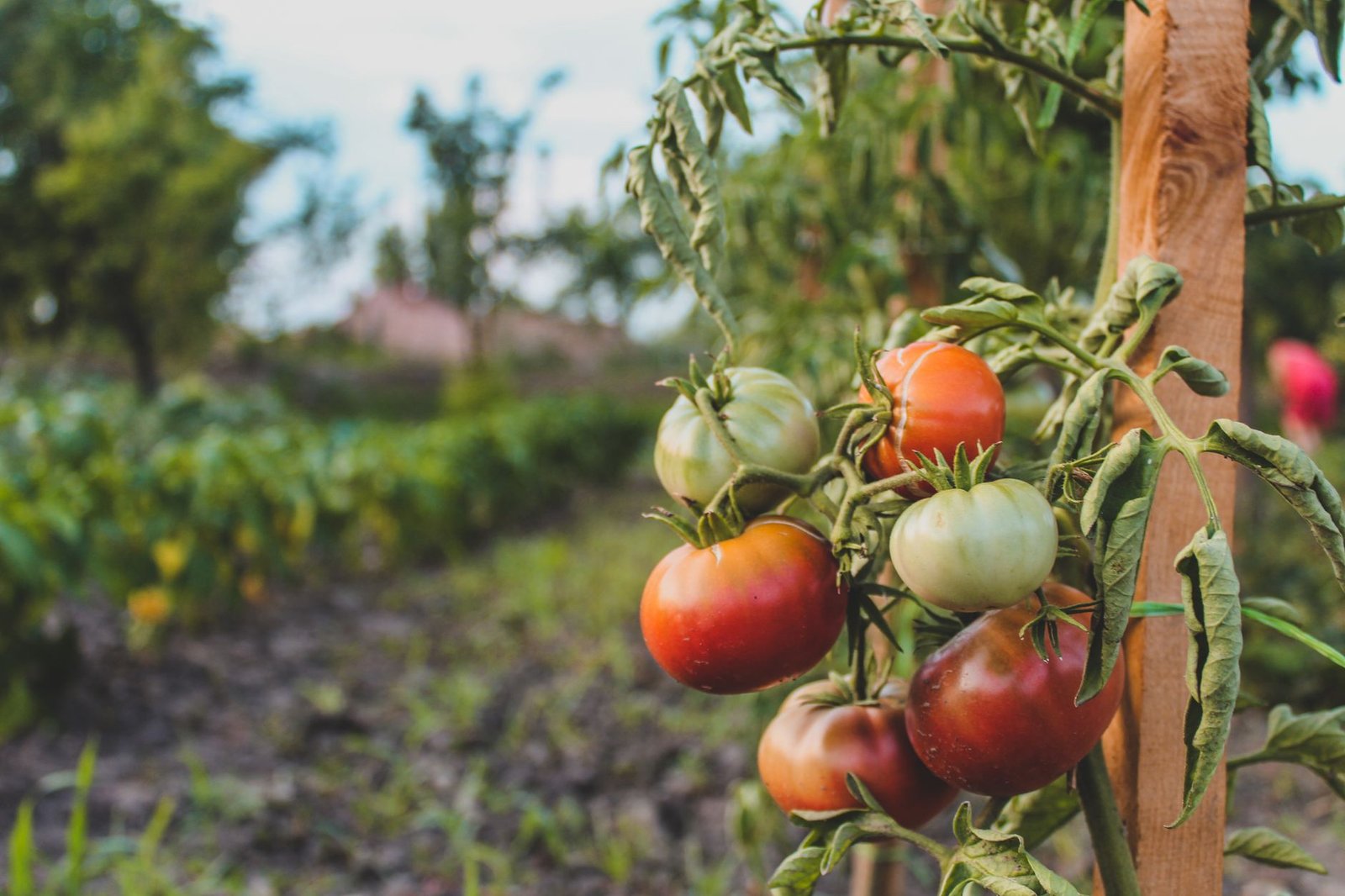
When tomato plants exhibit stunted growth, discoloration, or reduced fruit production, it often signals underlying issues preventing their optimal health. For gardeners observing these symptoms in 2026, understanding the root causes—whether environmental stressors, pest infestations, or disease—is crucial for effective intervention and ensuring a bountiful harvest.
Environmental Stressors and Cultivation Best Practices
Optimal growth for tomato plants relies on consistent environmental conditions. Deviations can quickly lead to distress. Addressing these foundational elements is the first step in diagnosing why a tomato plant may not be thriving.
Watering Regimen Optimization
Inconsistent watering is a leading cause of tomato plant stress. Both under-watering and over-watering can be detrimental. Under-watering leads to wilting, blossom end rot, and poor fruit development. Conversely, over-watering can suffocate roots, encourage fungal diseases, and leach essential nutrients from the soil.
- 2026 Trend: Smart Irrigation Systems: The resident can leverage advanced smart irrigation systems that utilize soil moisture sensors and weather data to deliver precise amounts of water directly to the plant’s root zone. These systems, often integrated with home automation, minimize waste and maintain optimal soil moisture levels, preventing common issues.
- Deep, Infrequent Watering: When watering manually, applying water deeply allows roots to grow further into the soil, increasing resilience. This should be done early in the morning to allow foliage to dry before evening, reducing disease risk.
Soil Health and Nutrient Management
Healthy soil is the bedrock of vigorous tomato growth. Nutrient deficiencies or imbalances can manifest as discoloration, stunted growth, and poor fruit set.
- Nitrogen Deficiency: Yellowing of older leaves, particularly the lower ones.
- Phosphorus Deficiency: Purplish discoloration on the undersides of leaves and stems, stunted growth.
- Potassium Deficiency: Yellowing and browning along leaf edges, particularly older leaves, sometimes accompanied by poor fruit quality.
- Calcium Deficiency: Often manifests as blossom end rot, where the bottom of the fruit turns dark and soft. This is more commonly an issue of inconsistent water availability affecting calcium uptake rather than a lack of calcium in the soil itself.
For 2026, soil testing kits with digital analysis capabilities are more accessible, allowing gardeners to precisely identify deficiencies. Supplementation with balanced organic fertilizers or targeted micronutrient applications based on test results is recommended. Compost and aged manure continue to be vital for improving soil structure and microbial activity.
Light and Temperature Considerations
Tomato plants require abundant sunlight—typically 6-8 hours daily—to produce fruit. Insufficient light results in leggy plants and reduced yields. Optimal temperatures are between 65-85°F (18-29°C); extremes can cause flower drop or poor fruit set.
- Shade Solutions: In regions with intense summer heat, temporary shade cloths (often integrated with smart garden systems for automated deployment in 2026) can protect plants from scorching.
- Greenhouse Advancements: For controlled environments, modern greenhouse technologies offer enhanced ventilation, automated shade, and efficient heating/cooling to maintain ideal conditions, even in challenging climates.
Identifying and Managing Pests
Pests can rapidly decimate a tomato crop if not identified and addressed promptly. Vigilant monitoring is essential for early detection.
Common Pests of 2026
- Aphids: Small, soft-bodied insects clustering on new growth, causing distorted leaves and secreting sticky honeydew.
- Tomato Hornworms: Large green caterpillars that rapidly defoliate plants. Their excellent camouflage makes them difficult to spot.
- Spider Mites: Tiny arachnids that cause speckling on leaves and fine webbing, particularly in hot, dry conditions.
- Whiteflies: Small, white, winged insects that fly up in a cloud when disturbed, causing yellowing and stunted growth.
Modern Pest Management Strategies (2026)
Integrated Pest Management (IPM) remains the gold standard, now enhanced by 2026 technological advancements.
- Early Detection & Monitoring: Use of AI-powered camera systems for large-scale operations or affordable handheld devices for home gardeners. These tools can identify pests by image recognition, alerting the resident to infestations before they become severe.
- Biological Controls: Introducing beneficial insects like ladybugs, lacewings, or parasitic wasps remains a cornerstone. Companies in 2026 offer highly effective, locally adapted predator populations.
- Biopesticides & Organic Solutions: Neem oil, insecticidal soaps, and Bacillus thuringiensis (Bt) for caterpillars are still highly effective and environmentally friendly. New bio-derived pesticides with highly targeted modes of action are entering the market, offering potent solutions with minimal environmental impact.
- Physical Barriers: Row covers or netting can prevent flying insects from reaching plants.
- Crop Rotation: Rotating crops annually disrupts pest life cycles in the soil.
Combating Tomato Diseases
Diseases can be devastating, often spreading quickly. Prevention and early diagnosis are critical.
Prevalent Diseases in 2026
- Early Blight: Dark, concentric spots with yellow halos on lower leaves, often leading to defoliation.
- Late Blight: Irregular, water-soaked spots on leaves and stems that quickly enlarge and turn brown/black, especially in cool, wet conditions. Can rapidly destroy a crop.
- Fusarium Wilt & Verticillium Wilt: Fungal diseases causing yellowing, wilting, and browning of leaves, typically starting on one side of the plant. Pathogens persist in the soil.
- Tomato Spotted Wilt Virus (TSWV): Causes bronze spots, stunted growth, and distorted fruit. Spread by thrips.
Advanced Disease Prevention and Treatment (2026)
Preventative measures are paramount, as many diseases are difficult to cure once established.
- Resistant Varieties: Selecting tomato varieties bred for resistance to common diseases (indicated by codes like ‘VFN’ for Verticillium, Fusarium, Nematodes) is the most effective preventative strategy. Seed companies in 2026 offer an even broader range of highly resistant cultivars developed through advanced genetic breeding.
- Good Sanitation: Removing diseased plant material immediately, sterilizing tools, and avoiding overhead watering minimizes spore spread.
- Crop Rotation: Essential for disrupting soil-borne pathogens like Fusarium and Verticillium wilt.
- Fungicides: Organic options like copper or sulfur sprays can help manage fungal diseases, particularly early blight. For severe outbreaks, advanced broad-spectrum organic fungicides are becoming more sophisticated in 2026, offering improved efficacy and safety profiles.
- Soil Sterilization & Biofungicides: In cases of persistent soil-borne diseases, solarization or targeted applications of beneficial microbial solutions (biofungicides) can reduce pathogen load.
2026 Innovations for Thriving Tomatoes
The landscape of home gardening continues to evolve, with technological and sustainable advancements offering new avenues for robust tomato production.
Smart Gardening Technology
The integration of smart technology into domestic gardening is no longer a niche. Systems available in 2026 allow for comprehensive environmental monitoring, automated watering, and even nutrient delivery.
- Sensor Networks: Wireless sensors provide real-time data on soil moisture, pH, nutrient levels, and ambient temperature, accessible via smartphone applications. This enables proactive adjustments before problems arise.
- Automated Nutrient Delivery: Advanced hydroponic or aquaponic systems, and even sophisticated drip irrigation for soil-based gardening, can automatically adjust nutrient concentrations based on plant needs and sensor feedback.
- AI-Powered Diagnostics: Beyond pest detection, AI is increasingly used to analyze plant images for early signs of disease or nutritional stress, offering diagnostic recommendations to the homeowner.
Sustainable Soil Amendments and Biologics
A focus on ecological balance and sustainability is driving innovations in soil health.
- Enhanced Microbial Formulations: New generations of beneficial bacteria and mycorrhizal fungi products are available, designed to boost nutrient uptake, improve soil structure, and enhance disease resistance. These are specifically formulated for various plant types, including tomatoes.
- Biochar Integration: The use of biochar, a charcoal-like substance, is gaining wider recognition for its ability to improve soil water retention, nutrient availability, and provide a habitat for beneficial microbes over long periods.
- Compost Tea Brewers: Automated or semi-automated compost tea brewers allow residents to create nutrient-rich, microbe-dense liquid fertilizers at home, reducing reliance on synthetic inputs.
Ensuring tomato plants thrive in 2026 requires a proactive approach, combining vigilant observation with modern horticultural science and technology. By systematically addressing potential environmental stressors, swiftly managing pests, and preventing diseases, the gardener can cultivate healthy, productive tomato plants that yield an abundant harvest. Embracing contemporary tools and sustainable practices will significantly enhance success in the home garden.