
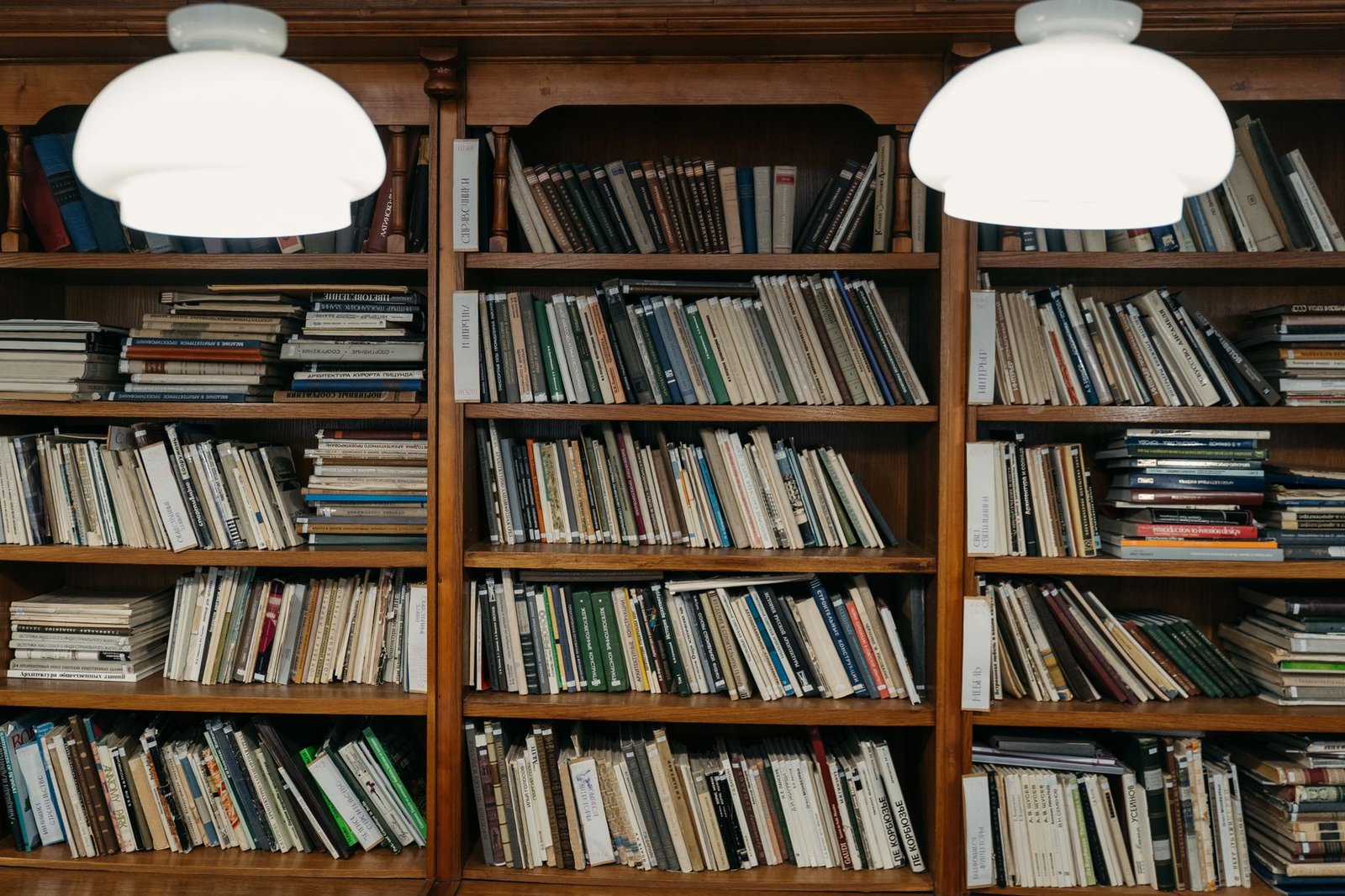
For homeowners navigating the perennial challenge of an expanding literary collection within compact living areas, the question of effective and aesthetic book storage is paramount. The solution lies in strategic design that merges functionality with visual appeal, transforming potential clutter into curated displays. In 2026, advancements in materials and integrated design offer innovative pathways to organize and display cherished volumes, ensuring small spaces remain serene and stylish without sacrificing a single treasured read.
Maximizing Verticality: The Unsung Hero of Compact Living
Integrated Wall Systems and Modular Shelving
Leveraging vertical space is consistently the most impactful strategy for maximizing storage in smaller homes. Integrated wall systems and modular shelving units, particularly those reaching floor-to-ceiling, offer a custom-built appearance without the need for extensive structural modifications. In 2026, these systems are evolving to feature biophilic design integrations, incorporating subtle planters or natural wood finishes that bring an element of the outdoors inside. Materials like recycled composite panels with a matte finish or sustainably sourced, lightweight bamboo laminates are prevalent, offering both durability and an eco-conscious footprint. Many modern units include seamlessly integrated smart LED lighting strips, allowing residents to illuminate specific shelves or sections, creating a focal point and enhancing the ambiance of the space. Some designs even feature hidden compartments with biometric access for sensitive documents or valuable editions, blending security with sleek aesthetics. This approach provides immense storage capacity, effectively decluttering floor space while creating a sophisticated visual statement.
Floating Shelves with Contemporary Flair
Floating shelves remain a cornerstone of minimalist design, providing an airy and uncluttered aesthetic. The 2026 iteration emphasizes ultra-slim profiles and advanced material compositions. Think shelves crafted from aerospace-grade aluminum alloys, reinforced recycled plastics, or even translucent acrylics with nearly invisible mounting hardware. These materials allow for significant weight capacity while maintaining a delicate visual presence. Textured finishes, such as brushed metallics or matte ceramic composites, add a tactile dimension. Furthermore, smart home integration has led to floating shelves with embedded wireless charging pads or discreet LED strips that respond to ambient light conditions, illuminating books only when natural light wanes. The key to their success in compact areas is strategic placement: arranging them in an asymmetric yet balanced pattern can create visual interest without overwhelming the room, allowing the resident to display a curated selection of books and decorative objects.
Beyond the Wall: Innovative Multi-Functional Furnishings
Ottoman and Bench Storage Hybrids
Multi-functional furniture is a cornerstone of efficient small-space living, and storage ottomans and benches offer an elegant solution for housing books covertly. These pieces provide additional seating while concealing significant storage within. In 2026, the focus is on sustainable and durable upholstery options such as mushroom leather, algae-based fabrics, or recycled wool blends, all offering superior tactile qualities and aesthetic appeal. Designs often incorporate integrated charging ports for devices or feature modular internal compartments that can be configured to hold books, magazines, or other living room essentials. Some high-end models even boast acoustic dampening properties, contributing to a calmer living environment. The versatility of these pieces allows homeowners to maintain a tidy appearance, with books readily accessible yet out of sight, preventing visual clutter in the main living areas.
Under-Stair and Nook Customizations
Often overlooked, the awkward spaces beneath staircases or within deep architectural nooks present prime opportunities for bespoke book storage. Custom-built solutions in 2026 are increasingly sophisticated, featuring modular, reconfigurable inserts that can adapt to different book sizes and media. Materials commonly include sustainably harvested hardwoods, often treated with low-VOC finishes, or engineered wood products with advanced laminate surfaces mimicking high-end stone or metal. Smart integration is key; some custom units feature automated lighting that activates upon opening or even biometric security for a dedicated literary collection. For individuals with extensive collections, this approach transforms ‘dead space’ into a highly functional and architecturally interesting library feature, seamlessly blending storage into the home’s structure and maximizing every cubic inch of potential space.
The Dynamic and Aesthetic Display: Carts and Corner Units
Rolling Carts and Mobile Bookcases
For those who enjoy reconfiguring their space or require flexible storage, rolling carts and mobile bookcases are an exceptional choice. These units provide the freedom to move book collections as needed, allowing for dynamic room layouts or temporary partitioning. Modern designs in 2026 favor lightweight yet robust materials such as carbon fiber composites, recycled aluminum frames, or durable powder-coated steel. Industrial-chic aesthetics continue to dominate, often paired with elegant wood or glass shelves. Many models now include integrated cable management systems, making them suitable for tech-heavy books or even acting as a mobile work-from-home station. The portability of these solutions makes them ideal for temporary book displays, easily shifting to accommodate guests or a change in a room’s function. When selecting a unit, attention to smooth-gliding wheels and overall stability is crucial for safe and effortless movement.
Corner Shelving and Ladder Bookcases
Corners, frequently underutilized, offer significant potential for book storage without encroaching on central living areas. Corner shelving units, especially those with clever triangular or curved designs, can transform a neglected angle into a curated display. Similarly, ladder bookcases, characterized by their leaning, graduated shelf design, provide a vertical storage solution that feels less imposing than traditional wide bookcases. In 2026, these units are seeing innovations in materials such as eco-friendly recycled plastics molded into sculptural, organic forms or sleek, minimalist designs in bamboo or light ash. Asymmetric layouts are popular, creating visual dynamism. Some designs integrate ambient lighting diffusers or even small, refillable scent diffusers to enhance the sensory experience of a reading nook. These options maximize often-awkward spaces, adding architectural interest and providing a stylish platform for both books and decorative items, proving that even the tightest corners can become showcases of literary passion.
Curating a Comfortable and Organized Home in 2026
The journey from book abundance to organized elegance in a small space is one of thoughtful selection and innovative application. By embracing verticality, leveraging multi-functional furnishings, and utilizing dynamic display solutions, homeowners can ensure every book finds its rightful, stylish place. The advancements in materials, smart technology integration, and sustainable design principles prevalent in 2026 provide an unprecedented array of options. The goal is always to create an environment that is not only highly functional but also deeply comforting and visually inspiring, transforming a mere collection of books into a cherished and integral part of the home’s aesthetic and ambiance.