
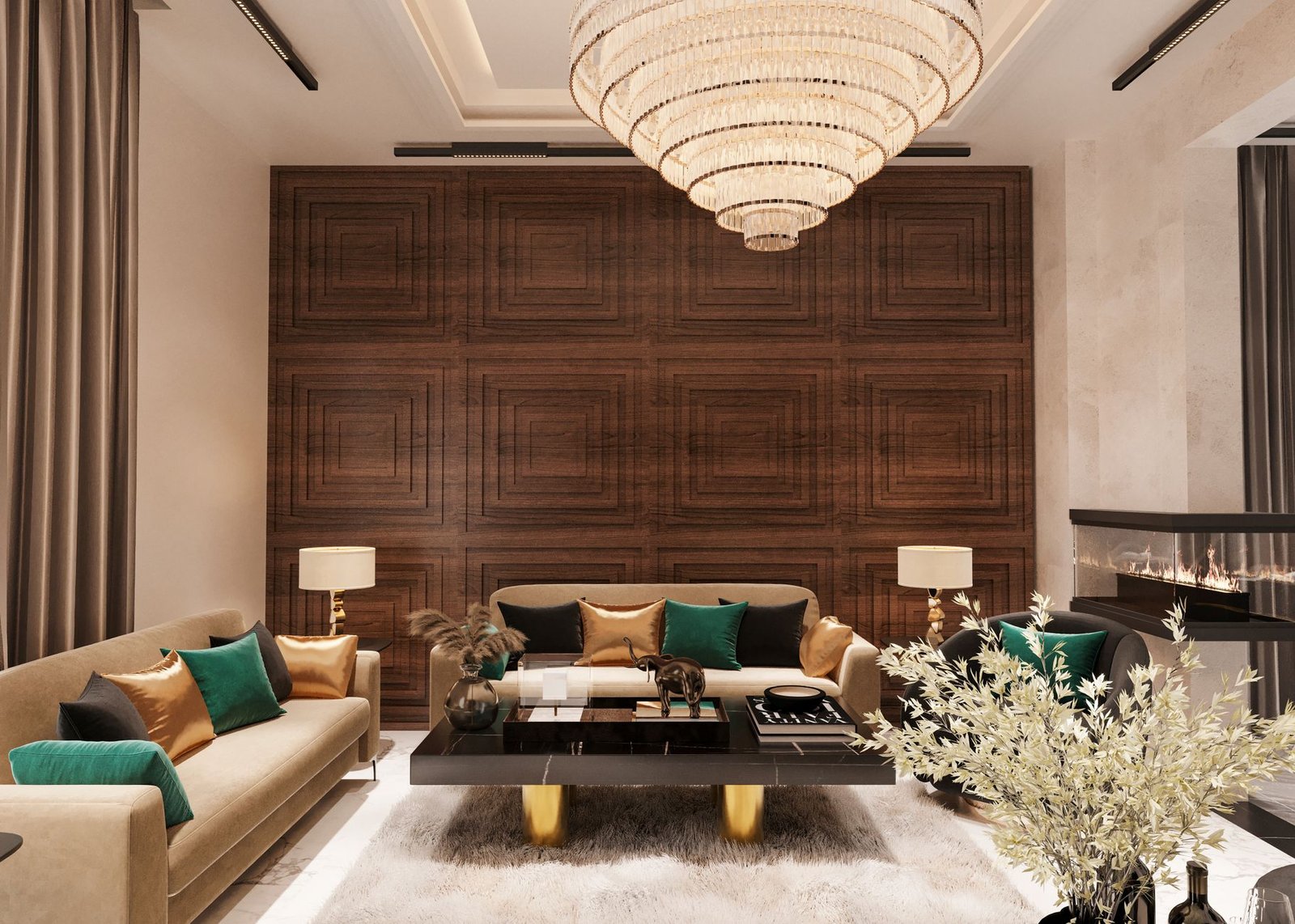
Creating a captivating focal point is central to modern interior design, and an accent wall serves this purpose effectively. For a modern living room in 2026, the optimal accent wall material is not singular but a dynamic interplay of aesthetic preference, functional needs, and emerging technological advancements in sustainable and smart home finishes. The “best” choice is ultimately determined by how well a material aligns with the resident’s specific vision for their space, considering factors like visual impact, durability, and installation practicalities.
Understanding the Modern Accent Wall in 2026
The accent wall in 2026 transcends mere color contrast, evolving into a statement of texture, depth, and integrated technology. Modern design emphasizes clean lines, sophisticated palettes, and a harmonious blend of natural and engineered materials. An accent wall within this context must contribute to the overall serenity and functionality of the living room while offering a unique visual anchor. Current trends lean towards tactile experiences, biophilic elements, and materials offering more than just surface appeal, such as acoustic dampening or subtle illumination.
Leading Accent Wall Material Choices for 2026
Textured Paneling: Wood, Composites, and Beyond
Textured paneling continues its reign as a top choice, now with significant advancements. In 2026, options extend far beyond traditional wood. Slatted wood panels, often made from reclaimed or sustainably sourced timber, remain popular for their inherent warmth and linear sophistication, frequently incorporating acoustic backing for improved sound quality. Beyond natural wood, engineered wood and composite panels offer enhanced durability and moisture resistance, making them suitable for diverse environments. Innovative composite materials, sometimes infused with recycled plastics or plant fibers, present a lighter, more resilient alternative. Three-dimensional geometric designs and integrated LED lighting within the paneling itself represent significant modern developments, allowing for dynamic visual effects and ambient light control. Installation typically involves interlocking systems or adhesive application, making it a relatively accessible option for skilled DIYers or professionals.
Advanced Digital Wallpapers and Murals
Wallpaper has transformed into a high-tech art form. For 2026, advanced digital printing allows for hyper-realistic textures – from polished concrete and weathered metal to intricate botanical patterns and abstract art – that were previously only achievable with significantly heavier or more expensive materials. Peel-and-stick technologies have made installation far simpler for the homeowner, while professional-grade non-woven and vinyl options offer exceptional durability and washability, ideal for high-traffic living areas. A significant trend includes custom-printed murals, often generated with AI assistance, providing truly unique and personalized artistic statements. Smart wallpapers featuring embedded, ultra-thin sensors for environmental monitoring or subtle atmospheric lighting are also beginning to emerge, offering functional innovation alongside aesthetic appeal.
Lightweight Stone Veneer and Concrete Panels
For those seeking a robust, architectural statement, lightweight stone veneer and engineered concrete panels offer compelling solutions. These materials provide the grandeur and texture of natural stone or industrial concrete without the structural demands or complex installation of full-sized slabs. Ultra-thin stone veneers, sometimes as slim as 2mm, are made from layers of real stone bonded to a backing material, offering natural variation and tactile richness. Engineered concrete panels, often made from glass fiber reinforced concrete (GFRC), are significantly lighter and available in large formats, presenting a seamless, minimalist aesthetic. Both are exceptionally durable and fire-resistant, suitable for a bold focal point. Installation generally requires professional expertise due to the weight and precision needed for a flawless finish, though advancements in adhesive technologies are simplifying the process for certain lighter veneer types. Sustainable sourcing and recycled content are increasingly prominent in these categories.
Textile and Fabric Panels
Adding unparalleled softness and acoustic comfort, textile and fabric panels are making a strong comeback in modern living rooms. Plush velvets, textured linens, and sophisticated wool blends offer a luxurious, inviting feel, contributing to a sense of domestic comfort. Beyond aesthetics, the primary advantage of fabric panels is their superior sound absorption capabilities, transforming a resonant living space into a more serene environment. Modular upholstered panels allow for creative patterns and easy customization, while stretched fabric systems can create seamless, large-scale textile installations. Modern fabric treatments enhance durability, offering stain, fade, and even mildew resistance, making them practical for long-term use. Installation varies, from adhesive-backed tiles to complex framing, often requiring professional handling for a taut, clean finish. Sustainable fabrics, including recycled PET and organic cottons, are leading the 2026 market.
Innovative Surface Coatings: Microcement and Liquid Metal
Pushing the boundaries of seamless design, advanced surface coatings like microcement and liquid metal offer unique contemporary aesthetics. Microcement provides a smooth, continuous surface that mimics polished concrete but can be applied much thinner over existing substrates. Its versatility allows for a vast array of colors and finishes, from matte to high-gloss, creating a minimalist yet sophisticated backdrop. Liquid metal coatings, comprising real metal particles suspended in a binder, offer a stunning metallic sheen in shades of bronze, copper, brass, or steel. These coatings provide an industrial-chic elegance or a luxurious gleam, depending on the chosen finish and application. Both options boast high durability once cured and are excellent for creating a bespoke, high-end look. However, application is highly specialized, requiring expert craftspeople for seamless results.
Key Considerations for Selecting an Accent Wall Material
When determining the ideal accent wall material, several factors warrant careful evaluation:
- Desired Aesthetic and Room Style: The material should harmonize with the overall design language of the living room, whether it’s industrial, minimalist, Scandinavian, or eclectic. Consider how textures, colors, and patterns will interact with existing furniture and decor.
- Durability and Longevity: Assess the material’s resistance to wear, impact, and fading, especially in high-traffic areas or spaces exposed to direct sunlight. Materials designed for longevity offer better value over time.
- Installation Complexity and Cost: Some materials, like peel-and-stick wallpapers or certain paneling systems, are suitable for a skilled homeowner. Others, such as stone veneer, microcement, or large-format fabric panels, typically necessitate professional installation, which adds to the overall project budget.
- Maintenance Requirements: Consider how easily the material can be cleaned and maintained. Washable wallpapers, treated fabrics, and sealed stone veneers require less effort than porous materials or delicate textiles.
- Sustainability and Wellness: In 2026, the environmental impact and indoor air quality of materials are paramount. Look for options made from recycled content, sustainably sourced materials, low-VOC (volatile organic compound) formulations, and those that contribute to acoustic comfort.
Installation and Maintenance Insights
While some accent wall materials, like certain peel-and-stick wallpapers or modular panels, are designed for relatively straightforward homeowner installation, many sophisticated options benefit significantly from professional application. This ensures precision, proper adherence, and a flawless finish, crucial for achieving the intended high-end aesthetic. For materials such as stone veneer, microcement, or custom fabric systems, professional expertise is often non-negotiable to guarantee structural integrity and visual perfection. Maintenance varies widely; generally, non-porous and treated surfaces offer easier cleaning. Regular dusting and occasional wiping with a damp cloth are common for most materials, while delicate fabrics may require specialized cleaning methods. Understanding these aspects prior to commitment prevents complications and preserves the accent wall’s beauty.
Future Trends and Innovations
Looking ahead, accent wall materials are set to become even more interactive and intelligent. Expect to see further integration of smart home technology, with embedded sensors, dynamic lighting, and even sound-producing capabilities becoming more commonplace. Biophilic design will continue to influence material choices, with a stronger emphasis on natural textures, living walls, and materials that mimic organic forms. Sustainability will remain a core driver, leading to new developments in recycled, upcycled, and rapidly renewable resources. Customization, facilitated by AI-driven design tools and advanced manufacturing, will allow for unprecedented personalization, ensuring each accent wall reflects the resident’s individual style and the home’s distinct character.