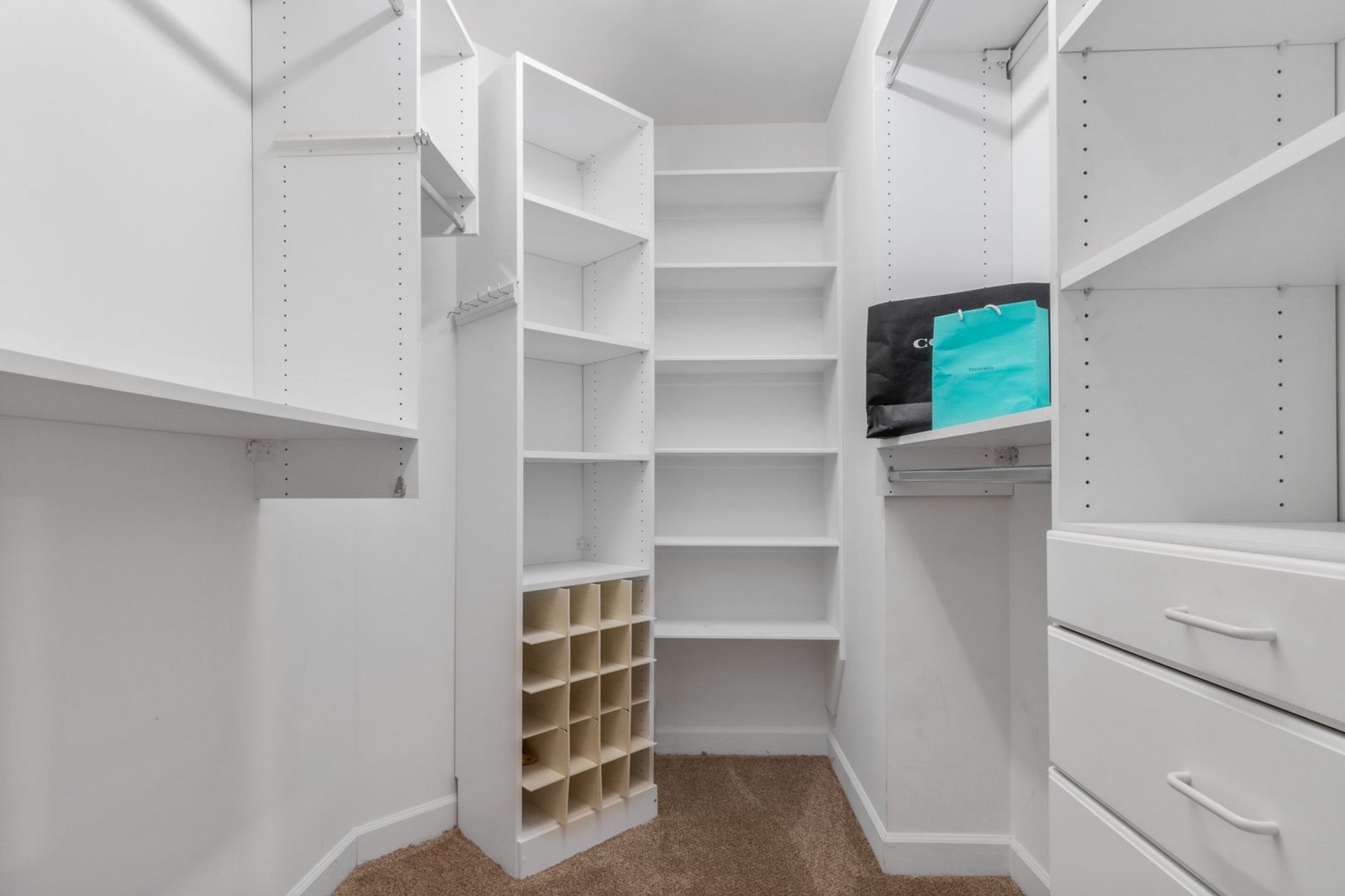
For residents navigating the perennial challenge of limited square footage, identifying the optimal closet system for maximizing small bedroom storage in 2026 involves a strategic assessment of evolving designs, innovative materials, and smart technologies. The most effective solutions seamlessly blend aesthetic appeal with unparalleled functionality, transforming often-overlooked spaces into highly efficient storage zones.
Understanding the Small Bedroom Storage Challenge
Small bedrooms present unique organizational hurdles. The goal extends beyond merely containing belongings; it focuses on creating an environment that feels spacious, uncluttered, and conducive to domestic comfort. Traditional wardrobes often consume valuable floor space, while poorly organized closets can quickly become a source of frustration. The imperative for modern homeowners is to leverage every available inch, moving beyond conventional storage paradigms to embrace systems engineered for efficiency and adaptability.
The Evolving Need for Compact Solutions
As urban living spaces continue to trend smaller, the demand for intelligent storage solutions intensifies. Residents require systems that not only accommodate diverse wardrobes and personal items but also integrate harmoniously with contemporary interior design aesthetics. The emphasis is on scalable, reconfigurable options that adapt to changing needs, reflecting a shift towards minimalist yet highly functional living.
Leading Closet System Types for Small Bedrooms in 2026
Several distinct closet system types offer robust solutions for maximizing storage in compact bedrooms. The optimal choice often hinges on the specific layout of the room, the resident’s budget, and the desired level of customization.
Modular Closet Systems
Modular systems stand out for their flexibility and adaptability. Comprising individual components such as shelving units, drawers, hanging rods, and cubbies, these systems can be configured and reconfigured to fit almost any space. In 2026, advancements in lightweight yet durable materials like recycled aluminum and engineered wood composites make these systems more robust and aesthetically pleasing than ever. They are an excellent choice for homeowners seeking a customizable solution without the commitment or cost of a fully built-in unit.
- Pros: High adaptability, easy installation, portability, cost-effective customization.
- Cons: May have visible seams, less integrated appearance than custom units.
Built-In and Custom Closet Systems
For residents prioritizing a seamless, integrated look and maximal space utilization, built-in or custom closet systems are often the superior choice. These systems are designed to precisely fit the dimensions of a specific space, often extending floor-to-ceiling and wall-to-wall. In 2026, custom systems increasingly incorporate smart lighting, automated drawer soft-close mechanisms, and bespoke compartment designs tailored to specific items. Advanced CAD software and 3D printing facilitate rapid prototyping and precise manufacturing, making custom solutions more accessible.
- Pros: Optimal space utilization, integrated aesthetics, tailored to specific needs, enhanced property value.
- Cons: Higher cost, permanent installation, less flexible for future reconfigurations.
Wall-Mounted Closet Systems
Wall-mounted systems are particularly effective in small bedrooms as they keep the floor clear, creating an illusion of greater space and facilitating easier cleaning. These systems typically feature sturdy tracks or rails affixed to the wall, onto which various components—shelves, baskets, and rods—are mounted. Modern 2026 iterations often utilize concealed mounting hardware and come in sleek, minimalist designs, often employing industrial-grade steel or lightweight alloy components for durability and aesthetics.
- Pros: Frees up floor space, minimalist aesthetic, good ventilation, adjustable components.
- Cons: Requires careful installation, weight capacity limitations, visible mounting if not designed well.
Freestanding Wardrobes with Smart Features
While often space-intensive, certain modern freestanding wardrobes are engineered with small bedrooms in mind. In 2026, these units are characterized by multi-functional designs, often integrating pull-out ironing boards, hidden compartments, or fold-down desks. Some advanced models include integrated air purification systems or garment refreshers, appealing to residents seeking convenience and technological integration within a more traditional form factor.
- Pros: No installation required, portable, can be a design statement.
- Cons: Occupies floor space, less adaptable than modular or custom systems, can feel bulky.
2026 Trends: Materials, Technology, and Customization
The landscape of home organization in 2026 is significantly shaped by advancements in material science, smart home integration, and highly personalized design approaches.
Sustainable and Advanced Materials
Sustainable materials are paramount. Recycled high-density polyethylene (rHDPE) and bamboo composites offer both environmental responsibility and enhanced durability. Furthermore, next-generation lightweight alloys and aerospace-grade polymers are increasingly utilized in structural components, providing strength without bulk. Finishes often include low-VOC (volatile organic compound) paints and natural wood veneers sourced from certified sustainable forests, aligning with eco-conscious homeowner values.
Smart Organization Technology
Integrated technology is transforming closet functionality. Smart lighting systems with motion sensors and adjustable color temperatures enhance visibility and ambiance. Some high-end systems incorporate IoT-enabled inventory tracking, allowing residents to view their wardrobe contents via an app, receive outfit suggestions, or even manage laundry cycles. Automated shelving and rotating garment racks, though still niche, are gaining traction for ultimate convenience and accessibility.
Hyper-Customization and AI-Driven Design
The ability to personalize every aspect of a closet system is a defining trend. AI-driven design platforms are empowering residents to visualize and customize their ideal storage solutions in 3D, optimizing layouts based on specific wardrobe items and usage patterns. This level of precision ensures that every drawer, shelf, and hanger is placed for maximum ergonomic efficiency and aesthetic appeal.
Maximizing Efficiency: Design Strategies for Small Spaces
Beyond selecting the right system, implementing strategic design principles is crucial for optimizing storage in a small bedroom.
Embrace Verticality
The most underutilized space in any room is often vertical. Extending closet systems from floor to ceiling maximizes storage capacity without consuming additional floor area. Utilizing adjustable shelving allows for flexible storage of items of varying heights, from tall boots to stacked sweaters. Tiered hanging rods are also essential, doubling the capacity for shirts, skirts, and folded trousers.
Multi-functional Components
Incorporating components that serve multiple purposes is a hallmark of efficient small-space design. Examples include drawers with built-in dividers for accessories, pull-out hampers that disappear when not in use, and wardrobe doors that feature integrated mirrors or shallow shelving on their interior. Retractable valets or ironing boards further enhance utility without permanent footprint.
Zoned Storage and Accessibility
Effective small bedroom organization relies on thoughtful zoning. Designating specific areas for different categories of items—e.g., activewear, professional attire, seasonal garments, and accessories—streamlines retrieval and reduces clutter. Frequently accessed items should be at eye-level or within easy reach, while less frequently used items can be stored on higher shelves or in dedicated pull-out bins. Transparent drawer fronts or labeling systems aid quick identification.
Installation and Maintenance Considerations
Proper installation is paramount for the longevity and safety of any closet system. For custom or wall-mounted systems, professional installation is often recommended to ensure structural integrity and precise fit. Modular systems generally offer easier DIY installation, but careful adherence to instructions is advised.
Longevity and Care
Modern materials, while durable, benefit from appropriate care. Regular dusting and occasional wiping with suitable cleaners (as recommended by manufacturers) will maintain the system’s appearance and functionality. Periodically checking the tightness of fasteners and ensuring smooth operation of moving parts contributes to the system’s longevity, preserving the investment for years to come.
Conclusion
In 2026, the best closet system for maximizing small bedroom storage is not a singular product but rather a dynamic combination of intelligent design, advanced materials, and personalized strategy. Whether opting for the adaptability of modular units, the seamless integration of custom built-ins, or the floor-clearing efficiency of wall-mounted systems, the key lies in prioritizing vertical space, embracing multi-functional components, and leveraging cutting-edge trends in sustainable materials and smart technology. By carefully considering these factors, the resident can transform a compact bedroom into a paragon of organized comfort and sophisticated living.