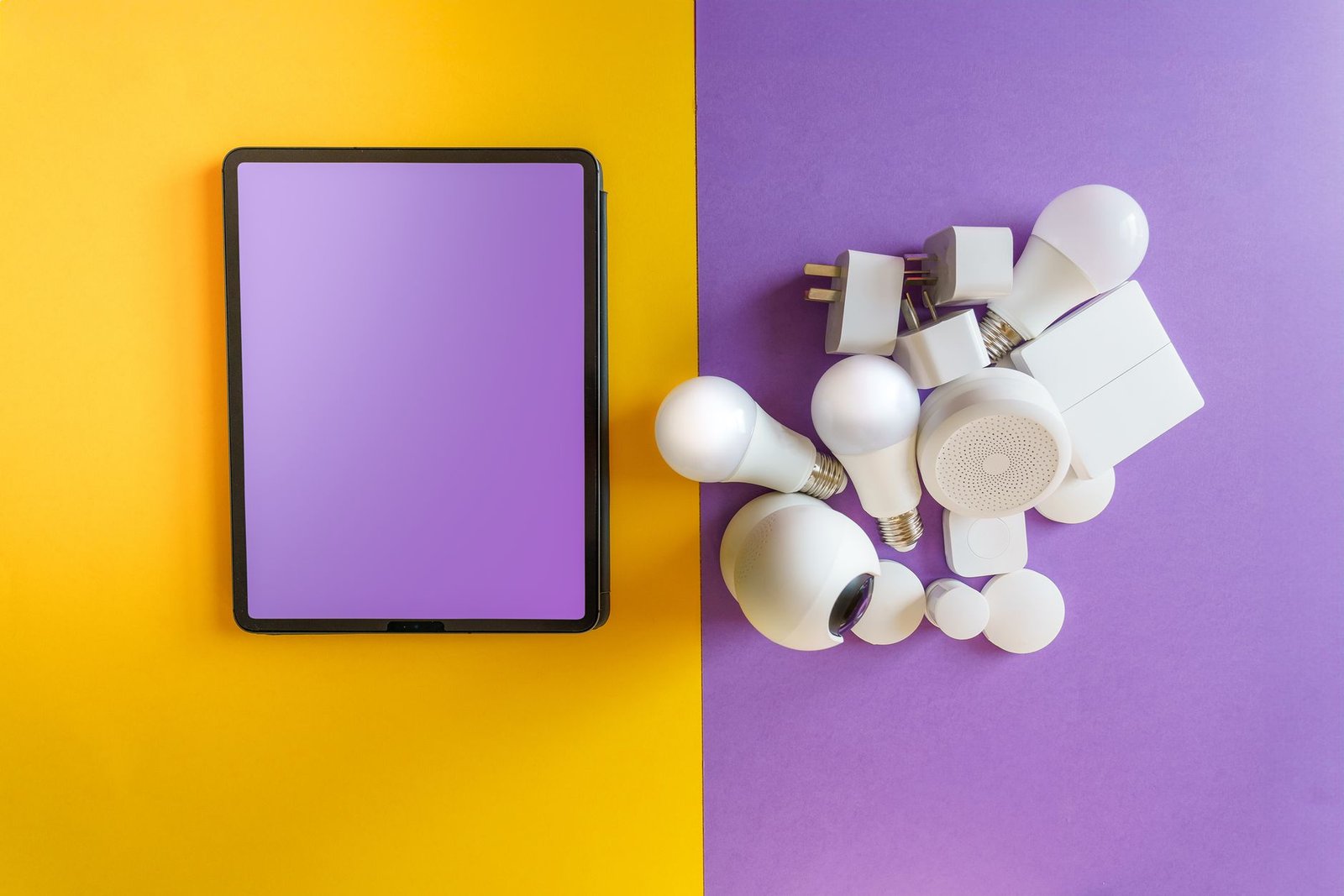
In 2026, the decision between upgrading to smart light bulbs or smart light switches for a home automation system depends significantly on the homeowner’s existing setup, budget, desired functionality, and overall smart home ecosystem compatibility. Each solution offers distinct advantages and disadvantages, making a careful evaluation essential for optimal domestic comfort and energy efficiency.
The landscape of smart home technology continues its rapid evolution, with advancements in connectivity protocols like Matter and Thread, alongside more sophisticated sensor integration and material developments. Understanding these nuances is crucial for making an informed choice that future-proofs the resident’s lighting infrastructure.
Understanding Smart Light Bulbs in 2026
Smart light bulbs have long been the entry point for many into the realm of smart lighting. Their appeal lies in their simplicity and the granular control they offer.
Advantages of Smart Light Bulbs
- Ease of Installation: Smart bulbs simply screw into existing fixtures, making them ideal for quick upgrades or residents in rental properties. No complex wiring is required, allowing for immediate smart functionality.
- Individual Control: Each bulb can be controlled independently, offering unparalleled flexibility in adjusting brightness, color temperature, and a vast spectrum of colors. This is particularly beneficial for accent lighting, mood creation, or task-specific illumination within a single room. Advanced models in 2026 feature enhanced color accuracy and wider color gamuts, utilizing next-generation LED phosphors.
- Portability: Should the homeowner relocate, smart bulbs can often be unscrewed and taken to a new residence, preserving the investment in smart lighting technology.
- Lower Initial Cost Per Unit: For targeted upgrades or specific areas, the cost of a single smart bulb is generally lower than that of a smart switch, making it an accessible starting point.
- Advanced Features: Beyond basic control, 2026 smart bulbs frequently incorporate features like adaptive lighting, which automatically adjusts color temperature throughout the day to support circadian rhythms. Some models now integrate micro-sensors for presence detection or ambient light sensing, feeding data into the broader smart home system.
- Seamless Connectivity: With the widespread adoption of Matter and Thread protocols, 2026 smart bulbs offer more robust and reliable connections, reducing latency and improving interoperability across different smart home platforms.
Disadvantages of Smart Light Bulbs
- Reliance on Power: If the traditional wall switch is turned off, the smart bulb loses power and becomes a ‘dumb’ bulb, losing all smart functionality. This can be a source of frustration for residents accustomed to physical switch control.
- Cost Escalation: Outfitting an entire home or even a large room with numerous smart bulbs can become significantly more expensive than installing a few smart switches, especially for fixtures with multiple bulbs.
- Network Congestion: A home filled with many individual smart bulbs can potentially create more traffic on the local Wi-Fi or Thread network, although 2026 protocols like Thread are designed to mitigate this.
- Diminished Traditional Control: For guests or family members unfamiliar with the smart home system, controlling lights solely via apps or voice commands can be less intuitive than a physical switch.
- Compatibility with Dimmers: While less prevalent with modern smart bulbs designed for dimming, older or incompatible traditional dimmers can still cause issues like flickering or reduced lifespan if not properly bypassed.
Understanding Smart Light Switches in 2026
Smart light switches offer a different approach, integrating smart capabilities directly into the home’s electrical wiring.
Advantages of Smart Light Switches- Maintains Traditional Functionality: Smart switches allow residents to use the physical wall switch as they normally would, while simultaneously enabling smart control via apps, voice assistants, and automation routines. This provides a familiar and intuitive experience for all users.
- Controls Entire Circuits: A single smart switch can control all lights on a circuit, whether they are traditional LEDs, CFLs, or even non-smart fixtures. This makes them highly efficient for controlling recessed lighting, ceiling fans, or outdoor lights.
- Aesthetic Integration: Smart switches blend seamlessly with existing decor, often available in various styles and finishes to match the home’s aesthetic. Modern switches in 2026 feature sleek, minimalist designs, haptic feedback, and even touch-sensitive interfaces with integrated screens for scene control.
- Fewer Devices on Network: Typically, fewer smart switches are required to manage a home’s lighting compared to individual smart bulbs, simplifying network management and potentially reducing congestion.
- Energy Monitoring: Many 2026 smart switches include built-in energy monitoring capabilities, providing residents with insights into their electricity consumption for connected fixtures, aiding in energy management.
- Enhanced Security: Features like ‘away mode’ can randomly turn lights on and off, mimicking occupancy to deter potential intruders, a functionality often more robust at the switch level.
- Reliability: Smart switches are hardwired, offering a stable and consistent connection that is less prone to interference or power interruptions than individual bulbs.
Disadvantages of Smart Light Switches
- More Complex Installation: Installation of smart switches typically requires basic electrical wiring knowledge, often involving a neutral wire, which may not be present in older homes. Professional installation might be necessary, adding to the overall cost.
- Higher Initial Cost Per Switch: The upfront cost of a single smart switch is generally higher than that of a smart bulb. While efficient for whole-room control, this can be a barrier for residents on a tight budget.
- Loss of Individual Bulb Control: When a smart switch controls traditional bulbs, granular features like individual color changing or specific dimming per bulb are not possible. All bulbs on the circuit will respond uniformly.
- Not Renter-Friendly: As they require permanent installation, smart switches are generally not suitable for renters without landlord approval and potential wiring modifications.
- Single Point of Failure: If a smart switch malfunctions, it can disable control for all lights on its circuit, impacting a larger area compared to a single smart bulb failure.
- Limited Customization for Existing Bulbs: While modern smart switches are compatible with various bulb types, they cannot imbue traditional bulbs with features like color temperature adjustments or advanced scene settings that smart bulbs inherently possess.
Making the Best Choice in 2026: A Tailored Approach
The optimal lighting upgrade for a resident in 2026 is highly dependent on specific circumstances and priorities.
Consider the Homeowner’s Needs and Ecosystem
- Budget and Scope: For residents seeking cost-effective, targeted upgrades in specific fixtures or who are experimenting with smart home technology, smart bulbs offer a low barrier to entry. For whole-room or whole-house foundational control and a cleaner aesthetic, smart switches represent a more significant, but often more integrated, investment.
- Installation Comfort: DIY enthusiasts comfortable with basic electrical work might find smart switch installation manageable. For others, the screw-in nature of smart bulbs is undeniably simpler.
- Desired Functionality: If granular control over color, saturation, and individual light ambiance is paramount (e.g., in a media room or bedroom), smart bulbs are typically superior. If the primary goal is convenient on/off/dimming control for an entire room or hardwired fixtures (e.g., recessed lighting, outdoor lighting), smart switches are the clear choice.
- Existing Lighting Infrastructure: Homes with many traditional fixtures benefit greatly from smart switches, instantly converting them into smart lights. If a home already utilizes many smart-capable fixtures or lamps, integrating smart bulbs can be straightforward.
- Smart Home Hub/Protocol: With Matter and Thread becoming standard in 2026, ensuring compatibility with the resident’s chosen hub or ecosystem is vital for both options. Devices supporting these open standards offer better long-term interoperability.
- Aesthetics: Smart switches maintain a consistent wall aesthetic. Smart bulbs are hidden within the fixture, but relying solely on app control might mean removing traditional switches, which some homeowners find visually disruptive.
Hybrid Solutions and Future-Proofing
Many homeowners find that the most effective solution in 2026 is a hybrid approach. This involves installing smart switches for general room lighting, overhead fixtures, and outdoor lights to provide universal, reliable control. Concurrently, smart bulbs can be strategically deployed in lamps, accent lighting, or areas where dynamic color changes and individual light customization are desired.
When considering future-proofing, prioritizing devices that support open standards like Matter and Thread is paramount. These protocols ensure seamless integration with a wider array of smart home platforms and offer improved reliability and responsiveness. Additionally, opting for devices that offer local control capabilities, reducing reliance on cloud services, can enhance privacy and system resilience.
Ultimately, there is no single ‘best’ choice between smart light bulbs and smart light switches. The optimal decision for the homeowner in 2026 requires a thorough assessment of individual needs, budget constraints, technical comfort, and long-term smart home ambitions. Both solutions offer substantial enhancements to domestic comfort, energy efficiency, and the overall smart living experience, each playing a vital role in the intelligent home of tomorrow.