Maintaining a perpetually tidy living room can be a significant challenge for many homeowners, often feeling like an ongoing battle against accumulating clutter. However, the secret to a consistently neat main living space lies not just in routine cleaning, but in implementing strategic design choices that inherently promote order and reduce visual chaos. This article explores seven innovative design tricks, incorporating 2026 industry trends and material developments, to help residents cultivate a serene and effortlessly organized living room environment.
The Foundation of Visual Calm: Strategic Storage and Curation
A truly tidy living room begins with smart planning that addresses the root causes of clutter. By integrating storage seamlessly and adopting a curated approach to decor, residents can significantly reduce visual noise and foster a sense of tranquility.
Master Integrated Storage Solutions
Clutter often results from a lack of designated homes for everyday items. Integrated storage solutions are paramount in addressing this. Custom built-in cabinetry, designed to blend with the existing architecture, offers discreet yet expansive storage for media, books, and various household necessities. In 2026, trends lean towards sleek, minimalist profiles, often featuring handle-less push-to-open mechanisms and hidden charging docks for personal devices. Materials like recycled timber composites with sophisticated veneers or durable, lightweight bioplastics are increasingly popular, offering both aesthetic appeal and environmental responsibility. Such solutions not only provide ample storage but also create a streamlined, architectural feel, making the entire space appear more intentional and organized.
Embrace Multifunctional Furniture
Maximizing utility from every piece of furniture is a hallmark of intelligent design for tidiness. Multifunctional pieces offer storage without demanding extra floor space, making them ideal for living rooms of all sizes. Consider ottomans with lift-top storage compartments, coffee tables featuring hidden drawers or open shelving, and even sofas with integrated side pockets or under-seat storage. The 2026 furniture market sees an emphasis on modular designs crafted from advanced, stain-resistant fabrics and innovative eco-friendly materials that offer both comfort and durability. These pieces can seamlessly adapt to changing needs, providing essential storage while serving primary functional roles, thus reducing the need for additional, clutter-contributing furniture.
Curate with Intention: The Power of Less
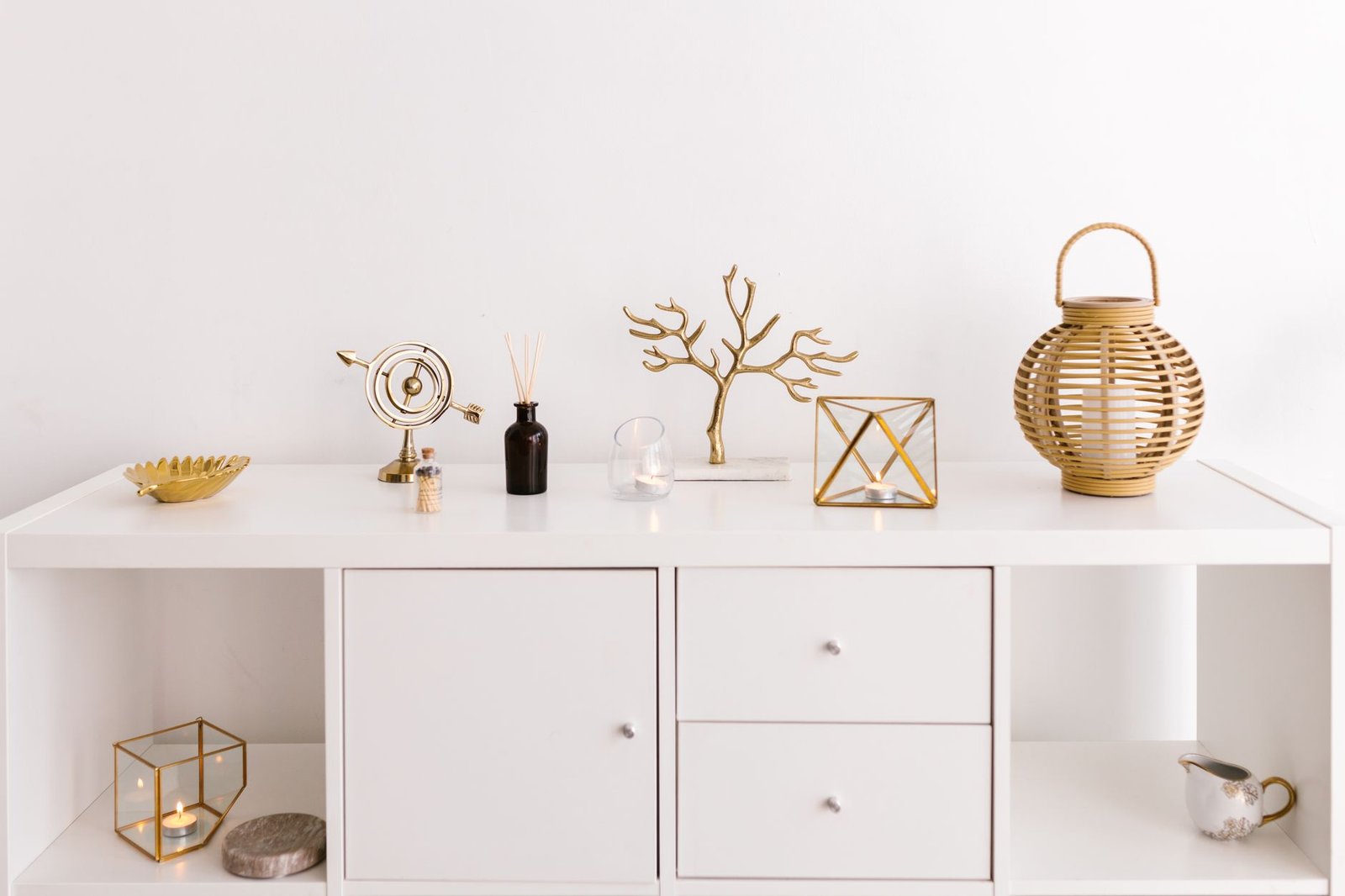
One of the most impactful strategies for a tidy living room is to adopt a philosophy of intentional curation. Instead of overcrowding surfaces with numerous decorative items, the resident should select a few cherished pieces that truly enhance the room’s aesthetic and personal narrative. This minimalist approach, often referred to as ‘quiet luxury’ in 2026 design circles, emphasizes quality over quantity and appreciation for thoughtful craftsmanship. Consider rotating decor seasonally or for special occasions, keeping the majority of items stored away when not in use. Wall-mounted digital art frames that can display a rotating gallery of images are also a modern way to introduce visual interest without physical clutter, aligning with contemporary technological integration trends.
Optimizing Aesthetics and Function: Design for Daily Living
Beyond initial storage, ongoing tidiness relies on how the living room functions in daily life. Thoughtful design choices can facilitate effortless maintenance and promote a perpetually organized environment.
Leverage Vertical Space Smartly
Often overlooked, vertical space offers significant potential for both storage and display. Wall-mounted shelving units, floating cabinets, and tall, slender bookcases draw the eye upward, creating a sense of expansiveness while housing items off the floor. Modern designs in 2026 feature incredibly slim profiles and strong, lightweight materials like reinforced aluminum or carbon fiber composites, allowing for elegant and discreet vertical storage. Integrated LED lighting within these units can highlight specific items, adding to the room’s ambiance without creating visual clutter. Utilizing vertical dimensions effectively helps keep surfaces clear and provides dedicated spots for various items, preventing them from accumulating on flat surfaces.
Implement Seamless Cable Management
Loose cables and tangled wires are notorious contributors to visual clutter, disrupting even the most organized spaces. Effective cable management is crucial for a polished, tidy appearance. Furniture designed with integrated cable channels, media consoles featuring discreet openings for power cords, and smart power strips hidden within storage units are excellent solutions. In 2026, wireless charging technology, particularly the advanced Qi2 standard, is increasingly integrated directly into furniture surfaces, eliminating the need for numerous charging cables. The strategic placement of outlets and the use of cable ties or sleeves can further ensure that all electronic connections are out of sight, maintaining a clean and streamlined aesthetic.
Select Harmonious Color Palettes and Durable Materials
The visual impact of a room is heavily influenced by its color palette and the textures of its materials. Opting for calming, neutral color schemes—think soft grays, warm whites, and muted earth tones—creates a serene backdrop that inherently feels more organized and less visually chaotic. These palettes also make it easier to incorporate pops of color through curated accessories without overwhelming the space. For materials, the 2026 homeowner values durability and ease of cleaning. Performance fabrics with advanced stain-resistant nano-coatings, antimicrobial surfaces, and low-maintenance engineered stone or recycled glass surfaces are prime choices. These materials not only contribute to a sophisticated aesthetic but also simplify daily upkeep, ensuring the living room remains tidy with minimal effort.
Define Zones and Maintain Clear Pathways
Even in open-plan layouts, defining distinct zones within the living room can prevent visual sprawl and encourage tidiness. Area rugs, strategic furniture placement, and lighting can delineate different functional areas, such as a conversation nook, a reading corner, or a media zone. By clearly separating these spaces, the homeowner can assign specific functions to each, which naturally reduces the likelihood of items migrating and creating clutter. Furthermore, ensuring clear, unobstructed pathways between these zones is vital. This promotes effortless movement and contributes to an airy, uncluttered feel. Flexible, modular furniture systems and subtle floor markers or integrated lighting are trends for 2026 that aid in creating adaptive, clean-lined spatial definitions, making the living room both inviting and inherently organized.
Cultivating an Effortlessly Tidy Living Room
Transforming a living room into a consistently tidy and inviting space is an achievable goal through thoughtful design. By focusing on integrated storage, embracing multifunctional furniture, adopting intentional curation, optimizing vertical space, implementing seamless cable management, selecting harmonious and durable materials, and defining clear zones, residents can create an environment that inherently promotes order. These 2026-forward design strategies not only enhance the aesthetic appeal of the home but also contribute significantly to the overall domestic comfort and well-being of its occupants, ensuring the main living area remains a haven of calm and organization.