
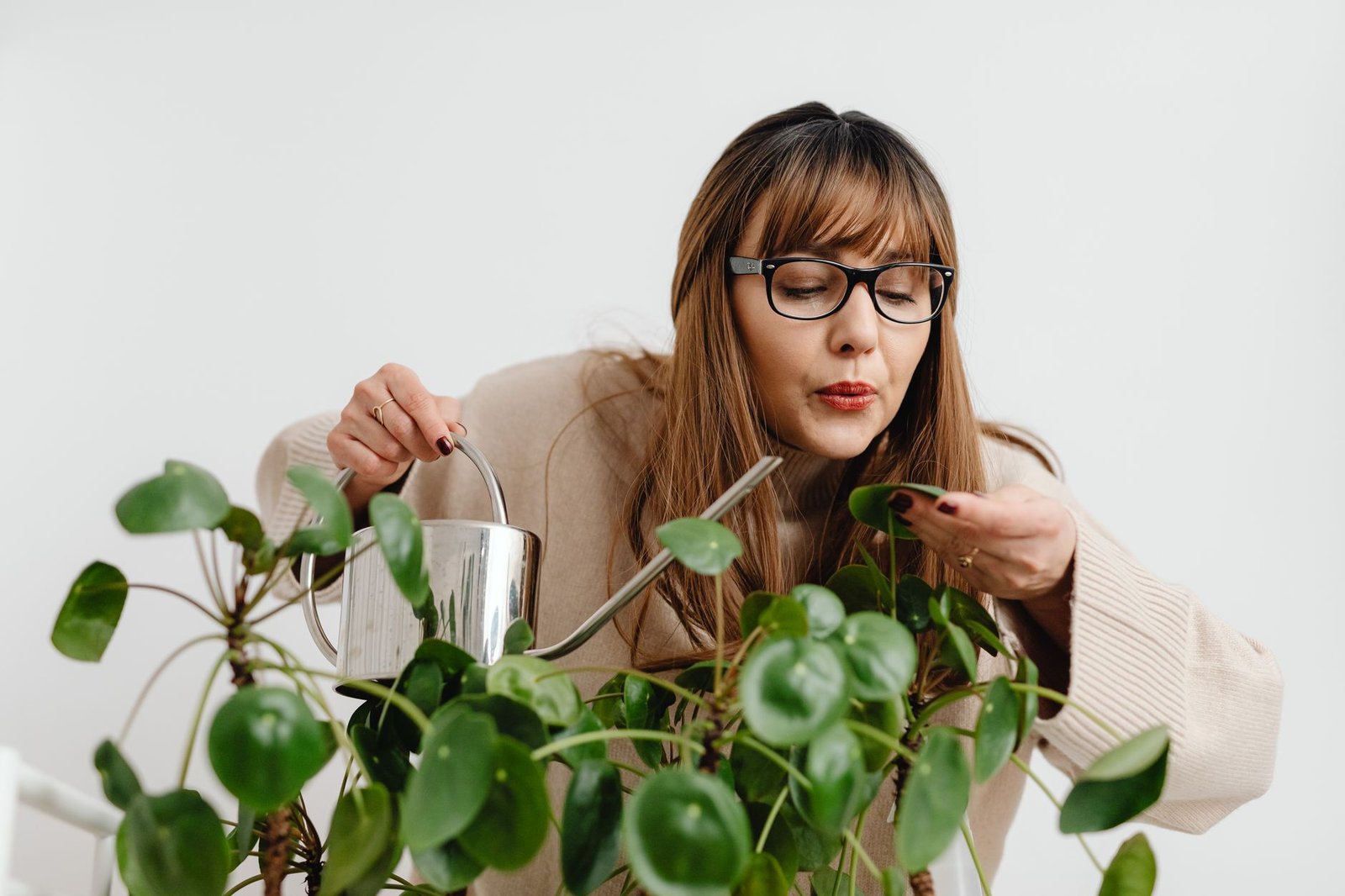
Many homeowners encounter the frustration of indoor potted plants failing to thrive, with improper watering frequently identified as the primary culprit. Resolving common watering errors is essential for cultivating healthy, vibrant indoor foliage, and with the advancements available in 2026, achieving optimal hydration for plants is more accessible than ever before.
Understanding the Core Problem: Overwatering vs. Underwatering
The delicate balance of moisture is critical for plant health. Both excessive and insufficient water can lead to significant stress and eventual demise for indoor specimens. Recognizing the specific signs of each condition allows for timely intervention.
Symptoms of Overwatering
- Yellowing Leaves: Often starting at the lower leaves, these can turn yellow and soft.
- Wilting Despite Moisture: Paradoxically, overwatered plants may wilt because roots are deprived of oxygen and cannot absorb water.
- Mushy Stems or Base: A clear sign of root rot, where the plant tissue becomes soft and brown/black.
- Stagnant Water in Saucer: Indicates poor drainage or excessive watering frequency.
- Moldy Soil Surface: A green or white growth on the soil suggests consistently high moisture levels.
Symptoms of Underwatering
- Crispy, Brown Leaves: Leaves may turn brown and dry, often starting at the tips or edges, and may feel brittle.
- Drooping or Limp Foliage: Leaves appear parched and lack turgor.
- Stunted Growth: Lack of water inhibits nutrient uptake and overall development.
- Dry, Compacted Soil: The potting medium pulls away from the edges of the pot.
- Lightweight Pot: A significantly lighter pot signals dry soil.
2026 Trends & Tools for Optimal Watering
The horticultural landscape in 2026 offers sophisticated solutions that empower residents to maintain ideal watering regimes with greater precision and less effort.
Smart Sensor Technology
The proliferation of AI-powered moisture sensors and integrated smart home systems has revolutionized indoor plant care. These devices, often wirelessly connected, monitor soil moisture, temperature, and even light levels, providing real-time data to a dedicated application. Some advanced systems in 2026 can even automate irrigation based on pre-set parameters and plant-specific needs, sending notifications to the homeowner when manual intervention is required. This technology significantly reduces guesswork, preventing both overwatering and underwatering by precisely signaling when and how much to water.
Advanced Potting Mediums
Innovations in potting substrates continue to evolve. In 2026, bio-engineered mixes feature enhanced water retention capabilities without sacrificing drainage, often incorporating sustainable components like coco coir, expanded clay aggregates, and advanced slow-release moisture-regulating polymers. These specialized media are designed to create optimal aeration for roots while ensuring consistent moisture availability, reducing the frequency of watering and minimizing the risk of compaction.
Sustainable Water Collection Systems
Conscious of environmental impact, many modern residences in 2026 are integrating compact, aesthetically pleasing rainwater harvesting systems or greywater recycling units for non-potable uses. These systems can provide a sustainable source of chlorine-free water for indoor plants, which often prefer water devoid of municipal additives. Utilizing collected rainwater not only conserves resources but can also contribute to healthier plant growth due to its natural composition.
Precision Watering Techniques for Thriving Indoor Plants
Even with advanced tools, fundamental watering techniques remain crucial for ensuring plant vitality.
The Finger Test & Moisture Meters
The most reliable traditional method involves the resident inserting a finger two inches into the soil. If it feels dry, watering is likely needed. For greater accuracy, especially with larger pots or less accessible root zones, digital moisture meters (including smart versions connecting to home networks) are indispensable. These tools provide an objective reading, removing subjective interpretation and preventing common misjudgments.
Bottom Watering Method
This technique involves placing the potted plant in a tray or sink filled with a few inches of water, allowing the plant to absorb moisture through its drainage holes until the topsoil feels damp. Bottom watering encourages stronger root development as roots grow downwards towards the water source and ensures even saturation without compacting the topsoil or washing away nutrients. This method is particularly beneficial for plants sensitive to top-down watering or those prone to fungus gnats.
Adapting to Seasonal Changes
Plant water requirements fluctuate significantly with environmental conditions. During warmer months or periods of active growth (typically spring and summer), plants generally require more frequent watering. Conversely, in autumn and winter, when light levels are lower and growth slows, watering frequency should be reduced. Residents must observe seasonal cues and adjust watering schedules accordingly, preventing root rot during dormant periods.
Water Quality Considerations
The quality of water directly impacts plant health. Tap water, particularly in 2026, can contain chlorine, chloramine, or high levels of dissolved salts, which can accumulate in the soil and harm roots over time. Allowing tap water to sit out for 24 hours can help dissipate chlorine. Alternatively, using filtered water, collected rainwater, or distilled water can prevent mineral buildup. Some plant species are particularly sensitive to fluoride and other additives, making careful water selection a key component of successful indoor gardening.
Establishing a Routine for Long-Term Plant Health
Beyond individual watering instances, establishing a consistent and adaptive routine is paramount. The homeowner should regularly observe their plants for early signs of distress, noting changes in leaf texture, color, and soil appearance. Maintaining a watering log, whether physical or digital, can assist in tracking frequency and plant responses. Furthermore, ensuring proper pot drainage and selecting pots with appropriate sizing prevent waterlogging and promote root aeration. In 2026, many integrated plant care apps offer personalized watering schedules based on plant type, environment, and sensor data, providing proactive guidance to the resident. Regular aeration of the soil surface can also improve water penetration and oxygen exchange.
Mastering the art and science of indoor plant watering is a cornerstone of successful domestic horticulture. By understanding the common pitfalls, leveraging the sophisticated tools and materials available in 2026, and implementing precise watering techniques, the resident can transform struggling potted plants into thriving botanical displays, enhancing the comfort and aesthetic appeal of any interior space.