
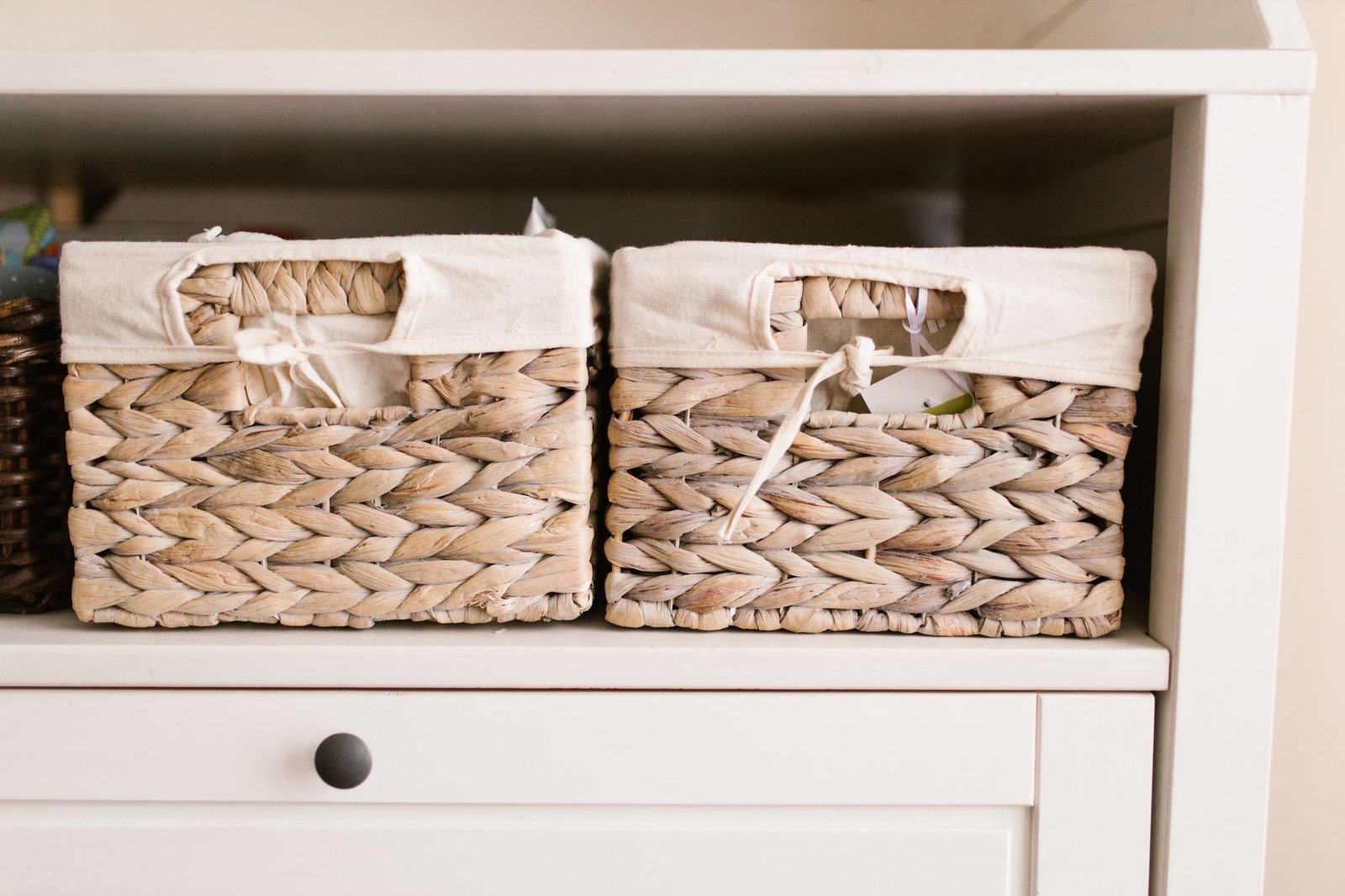
In 2026, homeowners seeking optimal closet organization often face a pivotal decision: plastic bins or fabric baskets? While both solutions offer distinct advantages for decluttering and maximizing space, the superior choice hinges on specific needs, aesthetic goals, and practical considerations. This analysis delves into the enduring characteristics and modern advancements of each option, guiding residents toward the most effective organizational strategy for the contemporary home.
The Enduring Appeal of Plastic Bins
Plastic storage bins have long been a cornerstone of efficient organization due to their inherent practicality. Their utility remains undisputed in 2026, bolstered by continued innovations in material science and design.
Durability and Visibility
One of the primary advantages of plastic bins is their exceptional durability. They resist crushing, warping, and moisture, making them ideal for heavier items, seasonal gear, or spaces where contents require robust protection. Transparent plastic options offer immediate visibility, allowing the user to quickly locate items without opening every container. This feature is particularly beneficial for high-traffic closets or those storing a wide variety of articles.
Hygiene and Maintenance
Plastic’s non-porous surface makes it incredibly easy to clean and sanitize. Spills and dust can be wiped away effortlessly, which is crucial for storing items that may attract dust, or in environments prone to humidity. This hygienic aspect makes plastic bins suitable for children’s toys, cleaning supplies, or pantry overflow within a utility closet.
Sustainability Concerns and Innovations in 2026
Historically, the environmental impact of plastic has been a significant concern. However, 2026 sees a substantial shift in the industry. Many leading manufacturers now prioritize bins made from post-consumer recycled (PCR) plastics, significantly reducing virgin plastic consumption. Innovations include modular designs that allow for component replacement rather than full unit disposal, and advanced polymer blends that enhance longevity, further extending the product lifecycle. Biodegradable plastics designed for specific applications are also emerging, though their prevalence in general storage is still growing.
- Pros:
- High durability and impact resistance.
- Excellent moisture barrier.
- Easy to clean and hygienic.
- Transparent options for quick content identification.
- Stackable and often cost-effective for bulk storage.
- Increasing availability of PCR and sustainable plastic options.
- Cons:
- Can appear utilitarian or less aesthetically warm.
- Less breathable, potentially problematic for certain fabrics.
- Perceived environmental impact, despite recycling advancements.
- Potential for cracking or brittleness with cheaper materials.
The Rise of Fabric Baskets: A 2026 Perspective
Fabric baskets have steadily gained popularity, appealing to those who prioritize aesthetics and a softer approach to organization. Their evolution in 2026 reflects a growing demand for style, sustainability, and sensory appeal in home environments.
Aesthetics and Softness
Fabric baskets introduce a level of textural warmth and design flexibility that plastic cannot match. Available in a vast array of colors, patterns, and materials—from woven cotton and linen to felted wool and innovative recycled textiles—they seamlessly integrate into diverse interior design schemes. The soft edges and pliable nature of fabric are gentle on delicate garments and can prevent snags or scratches on adjacent surfaces.
Breathability and Material Advances
Many fabric baskets offer superior breathability, which is vital for storing items like natural fiber clothing, blankets, or linens, helping to prevent mustiness. In 2026, material science has delivered significant advancements. Users can find baskets crafted from durable, stain-resistant fabrics made from recycled PET bottles, or blends incorporating natural fibers with enhanced antimicrobial properties. Smart fabrics that resist dust and moisture, while maintaining a soft feel, are becoming more accessible.
Flexibility and Eco-Friendly Options
The inherent flexibility of fabric baskets means they can often conform to odd-shaped items and are typically collapsible when not in use, saving valuable storage space. From an environmental standpoint, many fabric baskets are produced from natural, rapidly renewable resources or utilize upcycled and recycled materials, aligning with the modern homeowner’s eco-conscious values.
- Pros:
- Visually appealing; enhances closet aesthetics.
- Gentle on contents and surrounding surfaces.
- Breathable, ideal for natural fibers.
- Collapsible and flexible, saves space when empty.
- Wide range of textures and colors.
- Strong eco-friendly credentials with natural and recycled options.
- Cons:
- Less durable for heavy or frequently accessed items.
- More challenging to clean; prone to staining.
- Opaque, requiring labels or memorization of contents.
- Less stackable and may sag over time.
- Not suitable for wet or heavily soiled items.
Making the Optimal Choice: Factors for the Modern Homeowner
Deciding between plastic bins and fabric baskets in 2026 involves a careful assessment of individual requirements and preferences.
Assessing Storage Needs
Consider the items requiring storage. For example, children’s toys, electronics, or cleaning supplies might benefit from the robustness and easy-clean nature of plastic. Conversely, delicate apparel, sweaters, linens, or seasonal textiles often thrive in the breathable, soft environment provided by fabric baskets. Items that are frequently accessed may also benefit from clear plastic options, while less-used items can be aesthetically concealed in fabric.
Considering Aesthetic Integration
The visual impact within the closet and adjacent spaces is crucial. For a sleek, minimalist, or highly organized utility look, plastic bins (especially in uniform colors or clear designs) might be preferred. When the goal is to introduce warmth, texture, and a more curated, ’boutique’ feel, fabric baskets are the ideal choice. Open shelving or visible closet spaces particularly benefit from the softer aesthetic that fabric provides.
Budget and Longevity
While plastic bins often have a lower initial cost, especially in bulk, higher-quality recycled plastic options might align with mid-range fabric baskets. The homeowner should evaluate the expected lifespan and durability required. A well-made fabric basket from robust, modern textiles can last for years, just as a sturdy plastic bin can withstand significant wear. Investing in quality, whether plastic or fabric, generally yields better long-term value.
Conclusion
In 2026, the choice between plastic bins and fabric baskets for closet organization is not a matter of one being inherently ‘better’ than the other, but rather about aligning the solution with specific organizational goals. Plastic bins offer unparalleled durability, hygiene, and visibility, with increasing sustainability. Fabric baskets provide aesthetic warmth, breathability, and flexibility, often with strong eco-conscious foundations. By carefully evaluating the items to be stored, the desired aesthetic, and the budget, the homeowner can strategically deploy both types of storage, creating a perfectly tailored and efficient closet system that meets the demands of modern living.