
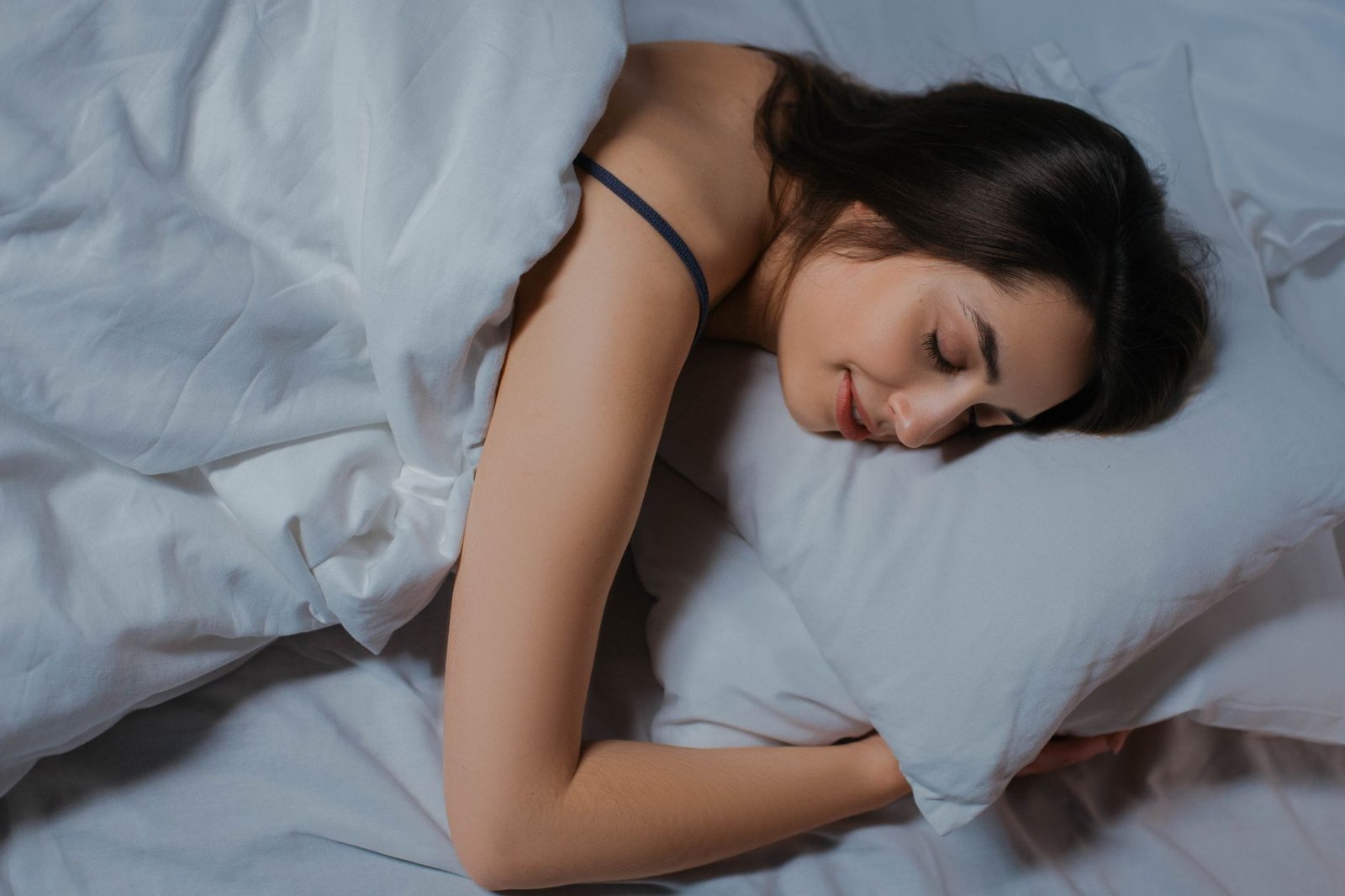
For residents seeking enhanced sleep quality amidst the evolving soundscapes of modern living, the choice between white noise and brown noise has become a pivotal consideration. While both are celebrated for their ability to mask disruptive sounds and foster a more tranquil sleep environment, the optimal selection is not universal; rather, it hinges on an individual’s specific auditory preferences and the nature of the ambient disturbances present. Understanding the distinct characteristics and psychoacoustic impacts of each can guide the homeowner towards a more restful night in 2026.
Understanding Noise Profiles for Sleep
In the realm of sound therapy for sleep, ‘noise’ refers to a consistent, ambient sound signal rather than jarring, unwanted disruptions. These carefully engineered sound profiles serve to elevate the overall auditory floor, effectively diminishing the perceived impact of sudden or intermittent noises that might otherwise fragment sleep.
White Noise: The Broadband Standard
White noise is perhaps the most recognized category of ambient sound, characterized by its uniform energy distribution across all audible frequencies. Acoustically, it is akin to the static hum of an untuned radio or the steady rush of a ventilation system. This consistent, broadband frequency spectrum makes white noise highly effective at masking a wide array of sounds, from distant traffic and conversational chatter to the subtle creaks of an older home. Its comprehensive frequency coverage acts like an auditory blanket, smoothing out the peaks and valleys of environmental sound, thereby providing a stable sonic backdrop conducive to uninterrupted rest.
Brown Noise: Deeper Frequencies, Deeper Rest
Brown noise, also known as Brownian noise or red noise, distinguishes itself through a greater emphasis on lower frequencies and a gradual attenuation of higher frequencies. The resulting sound profile is perceptibly deeper and softer than white noise, often described as a gentle rumble, the profound roar of a distant waterfall, or the deep thrum of heavy rainfall. This dominant low-frequency energy gives brown noise a more enveloping and less ‘hissy’ quality compared to white noise. For many, its deeper resonance is perceived as more soothing and less intrusive, potentially fostering a sense of profound calm and grounding that aids in relaxation and sleep induction.
The Science of Sound and Sleep in 2026
The efficacy of ambient noise in promoting sleep is rooted in well-established psychoacoustic principles, further refined by advancements in neuroacoustic research in 2026.
How Noise Masks Distractions
The primary mechanism through which white and brown noise aid sleep is sound masking. By introducing a continuous, non-threatening background sound, these profiles raise the baseline level of ambient noise. This elevation effectively reduces the perceived difference in intensity between background sounds and sudden, disruptive noises. For instance, a slamming door or a car alarm becomes less jarring because its relative loudness against a constant hum is diminished. This helps prevent the brain from registering such sounds as significant threats, thereby minimizing arousal during sleep cycles. Advanced algorithms in 2026 sleep sound generators can dynamically adjust masking levels based on ambient noise detection, offering highly adaptive comfort.
Psychoacoustic Impact and Brainwave Entrainment
Beyond simple masking, the specific frequency characteristics of white and brown noise exert distinct psychoacoustic influences. White noise, with its broad spectrum, can create a sense of auditory fullness that helps to quiet an overactive mind, distracting it from internal ruminations. Brown noise, with its lower frequencies, is increasingly being explored for its potential to encourage brainwave entrainment, particularly towards delta and theta waves associated with deep sleep and relaxation. Emerging neuroacoustic studies in 2026 are leveraging AI and fMRI data to map specific frequency patterns to enhanced sleep stages, indicating that personalized frequency prescriptions might become more common. The consistent, non-patterned nature of both noise types prevents the auditory cortex from locking onto predictable sequences, which could otherwise stimulate arousal.
White Noise vs. Brown Noise: A Comparative Analysis
Choosing between these two beneficial sound profiles often comes down to individual preference and the specific challenges of a resident’s sleep environment.
Auditory Experience and Perception
The subjective experience of white and brown noise varies significantly. White noise, with its higher frequency components, can be perceived as sharper or more