
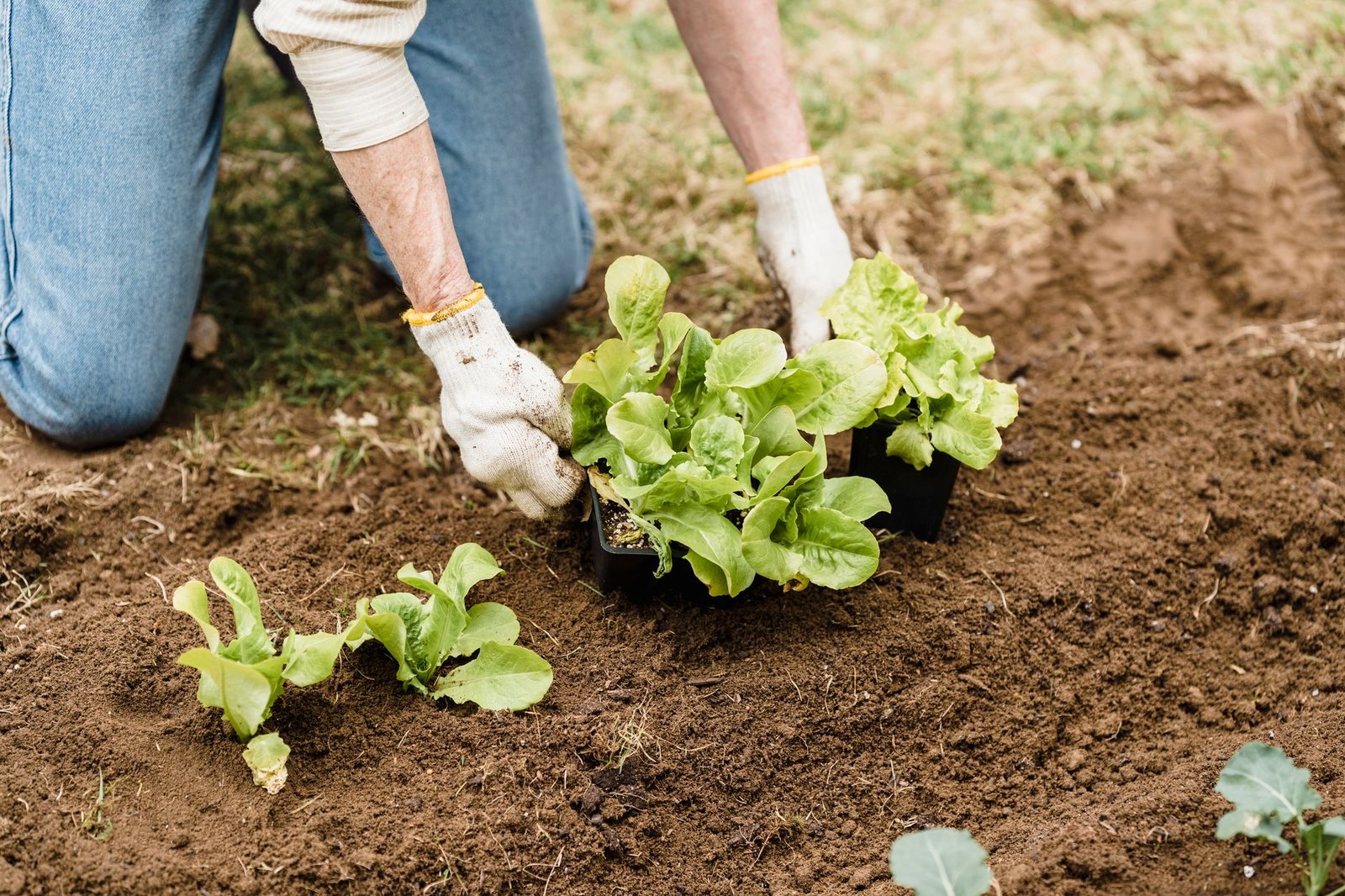
The quest for abundant harvests leads many to question the optimal feeding strategy for their vegetable gardens. In 2026, the concept of “best” organic fertilizer transcends a single product, encompassing a synergistic approach that prioritizes soil health and microbial activity. The most effective organic fertilizer regimen for a bountiful vegetable garden often involves a combination of nutrient-rich amendments tailored to specific soil needs and plant requirements, with a strong emphasis on sustainable practices and advanced bio-nutrient formulations now readily available. This article will guide both beginner and experienced gardeners in selecting and applying the most effective organic fertilizers to maximize their vegetable yields this year.
Understanding Organic Fertilizers in 2026
Organic gardening continues its trajectory as a cornerstone of sustainable horticulture, with a renewed focus in 2026 on holistic soil enrichment rather than mere plant feeding. Modern organic fertilizers are designed to nurture the entire soil ecosystem, providing a slow, steady release of nutrients that benefit plants over time.
The Shift Towards Bio-Nutrients
Current trends highlight a significant move beyond traditional compost and manure, incorporating advanced bio-nutrient technologies. Manufacturers are increasingly integrating beneficial microbes, humic acids, and fulvic acids into their organic formulations. These bio-stimulants enhance nutrient uptake efficiency, improve soil structure, and increase plant resilience against environmental stressors. The user will find a wider array of pelleted, slow-release bio-nutrient options in garden centers, reflecting a demand for convenience without compromising organic integrity.
The Role of the Soil Microbiome
A thriving soil microbiome is recognized as foundational for a truly bountiful garden. Organic fertilizers, unlike many synthetic counterparts, feed the diverse community of bacteria, fungi, and other microorganisms in the soil. These microbes, in turn, break down organic matter, making nutrients available to plant roots and improving overall soil fertility. Understanding this symbiotic relationship is key for the homeowner looking to achieve sustained productivity.
Top Organic Fertilizer Choices for 2026
Choosing the right organic fertilizer depends on various factors, including soil type, crop needs, and the specific stage of plant growth. A balanced approach often yields the best results.
- Compost and Vermicompost: These remain indispensable. High-quality compost, rich in decomposed organic matter, improves soil structure, water retention, and provides a broad spectrum of micronutrients. Vermicompost (worm castings) is particularly prized for its concentrated nutrients, beneficial microbes, and plant-growth hormones. Many residents are now exploring community composting initiatives or advanced home composting systems that quickly process kitchen and yard waste into nutrient-dense material.
- Aged Manure and Processed Pellets: Farm animal manures (cow, chicken, horse) are excellent sources of nitrogen, phosphorus, and potassium. Crucially, manure must be well-aged (6-12 months) to prevent burning plants and to minimize pathogen risk. In 2026, ethically sourced, processed, and pelletized organic manures are widely available, offering a convenient, odor-reduced option with consistent nutrient analysis.
- Alfalfa Meal and Cover Crops: Alfalfa meal is a superb slow-release nitrogen source, also providing essential micronutrients and growth stimulants. It is often incorporated into soil before planting. For long-term soil health and nutrient cycling, the practice of planting cover crops (e.g., clover, vetch, rye) during off-seasons is gaining significant traction. These crops enrich the soil with organic matter, fix nitrogen, and suppress weeds, providing a living green manure that is tilled back into the soil before planting vegetables.
- Emerging Bio-Stimulants and Specialized Blends: The market in 2026 offers increasingly sophisticated organic blends. Look for products containing:
- Kelp Meal/Extract: Rich in trace minerals and plant growth hormones, enhancing root development and stress tolerance.
- Bone Meal/Rock Phosphate: Excellent for phosphorus, crucial for flowering and fruiting.
- Blood Meal: A fast-acting nitrogen source, useful for leafy greens.
- Mycorrhizal Fungi Inoculants: These beneficial fungi form symbiotic relationships with plant roots, greatly expanding their ability to absorb water and nutrients.
- Humic and Fulvic Acids: Derived from organic matter, these chelating agents improve nutrient availability and soil structure.
Many of these are available in easy-to-apply granular or liquid forms, allowing the resident to target specific plant needs with precision.
Application Strategies for Maximum Yields
Even the best organic fertilizers require proper application to be truly effective. Thoughtful planning and technique are paramount for maximizing a garden’s potential.
Soil Testing and Customization
Before applying any fertilizer, a comprehensive soil test is the homeowner’s most valuable tool. Available through local extension offices or private labs, these tests provide a detailed analysis of pH, nutrient levels, and organic matter content. With this information, the user can customize their organic fertilization plan, avoiding over-application of certain nutrients and addressing specific deficiencies. This precision approach is a hallmark of modern sustainable gardening in 2026.
Timely Application
Organic fertilizers typically release nutrients slowly, so timing is critical. Initial soil amendments, such as compost and aged manure, should be incorporated into the soil several weeks before planting to allow microbes time to begin breaking them down. For heavy feeders like tomatoes and corn, subsequent applications (side-dressing) may be necessary once plants are established and again as they begin to flower and fruit. Liquid organic feeds or highly soluble bio-stimulants can provide a quicker boost when needed.
Foliar Feeding and Drip Systems
For immediate nutrient delivery and to complement soil applications, foliar feeding with dilute liquid organic fertilizers (like kelp extract or worm tea) has become a popular method. Plants can absorb nutrients directly through their leaves, offering a rapid response. Moreover, the integration of organic liquid feeds into drip irrigation systems is an increasingly common practice, ensuring efficient water and nutrient delivery directly to the root zone, minimizing waste and promoting consistent growth.
Beyond Fertilizers: Holistic Garden Health
While organic fertilizers are vital, they are one component of a larger strategy for a truly bountiful vegetable garden.
Water Management
Efficient irrigation is crucial. Mulching helps retain soil moisture, suppress weeds, and regulate soil temperature. Utilizing drip irrigation or soaker hoses delivers water directly to plant roots, minimizing evaporation and water waste, especially important in regions facing fluctuating water availability in 2026.
Crop Rotation and Companion Planting
Implementing a crop rotation schedule prevents nutrient depletion and reduces pest and disease buildup in the soil. Companion planting, strategically placing different plant species together, can naturally deter pests, attract beneficial insects, and even improve nutrient uptake for neighboring plants.
Integrated Pest Management (IPM)
An organic garden thrives when supported by natural pest and disease control methods. This includes encouraging beneficial insects, using physical barriers, and employing organic pest deterrents only when necessary. A healthy, well-fed plant is inherently more resistant to pests and diseases, reducing the reliance on external interventions.
Ultimately, achieving a bountiful vegetable garden in 2026 relies not on a single “best” organic fertilizer, but on a well-informed, multi-faceted approach. By understanding soil biology, selecting appropriate organic amendments, applying them judiciously, and embracing holistic garden practices, the resident can cultivate a vibrant, productive, and truly sustainable growing space.