
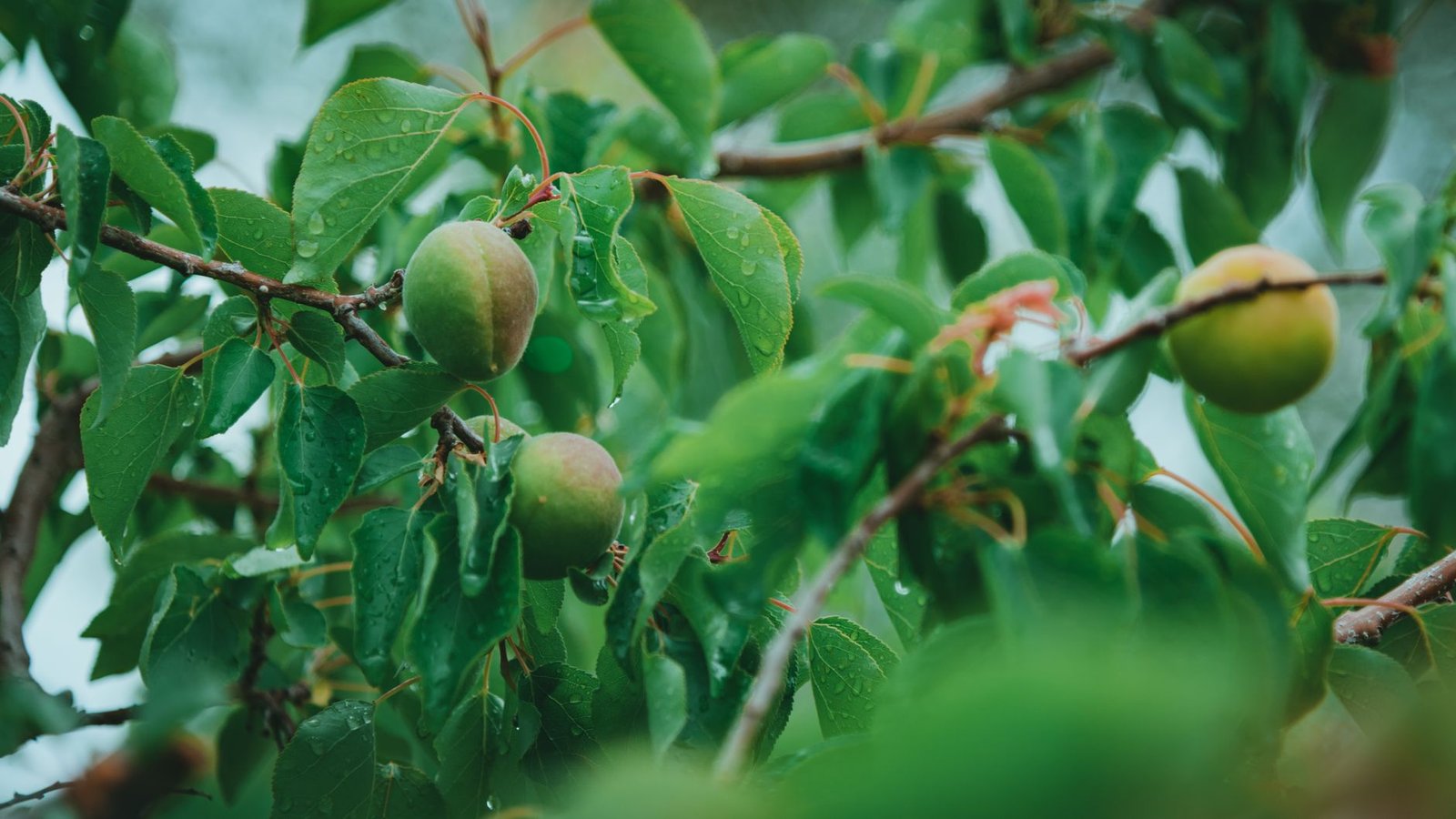
When fruit trees fail to produce their expected bounty, it can be a source of considerable frustration for any homeowner. The absence of fruit typically signals underlying issues that require careful diagnosis and timely intervention. This guide identifies seven common reasons why fruit trees may not be bearing fruit and offers actionable solutions, incorporating expert tips and relevant industry trends for maximizing harvests in 2026.
Environmental Factors Disrupting Fruiting Potential
Optimal environmental conditions are paramount for successful fruit production. Fluctuations or deficiencies in these areas frequently hinder a tree’s ability to set and ripen fruit.
Inadequate Sunlight Exposure
Fruit trees are generally sun-loving plants, requiring at least 6-8 hours of direct sunlight daily for robust growth and fruit development. Insufficient light leads to reduced photosynthesis, weaker flowering, and poor fruit set.
- 2026 Fixes: Homeowners should assess the sun path throughout the day, especially during the growing season. Pruning nearby overgrown shade trees or relocating smaller, containerized fruit trees to sunnier spots are crucial steps. For new plantings, selecting a site with unobstructed southern or western exposure is essential.
Improper Watering Regimes
Both overwatering and underwatering can stress fruit trees, diverting energy from fruit production. Consistent, appropriate moisture is vital, particularly during flowering and fruiting stages.
- 2026 Fixes: Implementing smart irrigation systems with soil moisture sensors, prevalent in 2026 landscaping, ensures precise water delivery. These systems adapt to real-time weather data and soil conditions, preventing stress. For traditional methods, deep watering less frequently encourages robust root development.
Extreme Temperatures and Late Frosts
Sudden temperature drops, especially late spring frosts after bloom, can severely damage delicate flowers and nascent fruit, leading to total crop loss. Similarly, prolonged extreme heat can cause fruit drop.
- 2026 Fixes: Selecting frost-tolerant varieties suited to the local climate is a primary defense. For established trees, temporary covers or horticultural blankets can protect blossoms during predicted frost events. Advanced weather forecasting tools available in 2026 allow for proactive protection measures.
Pollination Challenges Hindering Fruit Set
Many fruit trees rely on successful pollination for fruit development. If this process is disrupted, fruit production will be minimal or non-existent.
Lack of Compatible Pollinators
Some fruit tree varieties are self-sterile, requiring pollen from a different, compatible variety to bear fruit. Without a suitable pollinator tree nearby, fruiting will not occur.
- 2026 Fixes: The resident must identify the specific pollination requirements of existing trees. Planting a compatible pollinator variety within a reasonable distance (typically 50-100 feet) is the most effective solution. Consider ‘cocktail’ trees in smaller spaces, which feature multiple compatible varieties grafted onto one rootstock.
Insufficient Bee Activity
Bees and other insects are primary vectors for pollen transfer. A decline in pollinator populations or adverse weather during bloom can significantly reduce successful pollination.
- 2026 Fixes: Encouraging local pollinator populations is a key trend in 2026 sustainable landscapes. This involves planting a diverse array of pollinator-friendly flowers, avoiding broad-spectrum pesticides, and providing nesting sites or ‘bee hotels’. Manual pollination, using a small brush, can be considered for individual trees in limited circumstances.
Nutritional Deficiencies and Soil Health
A tree’s ability to produce fruit is directly linked to the availability of essential nutrients in healthy soil.
Poor Soil Structure and Nutrient Imbalance
Compact, poorly drained, or nutrient-deficient soil limits root growth and nutrient uptake, impacting fruit production.
- 2026 Fixes: Regular soil testing, easily done with modern kits that offer detailed analyses, helps pinpoint specific deficiencies or pH imbalances. Amending soil with organic matter like compost improves structure and fertility. Precision nutrient delivery, using slow-release organic fertilizers tailored to test results, is recommended.
Excess Nitrogen
While nitrogen promotes lush vegetative growth, an overabundance can lead to excessive foliage at the expense of flowering and fruiting.
- 2026 Fixes: Adjusting fertilizer regimens to provide a balanced NPK (Nitrogen-Phosphorus-Potassium) ratio, with higher phosphorus and potassium during reproductive stages, is crucial. Avoiding applications of high-nitrogen lawn fertilizers near fruit trees is also important.
Pruning and Training Issues Affecting Productivity
Incorrect pruning techniques can remove fruiting wood or stress the tree, impeding fruit development.
Improper Pruning Techniques
Removing too much fruiting wood or failing to prune for optimal light penetration and air circulation can reduce yields.
- 2026 Fixes: Understanding the fruiting habits of specific tree types (e.g., spur-bearing vs. tip-bearing) is vital. Pruning should focus on removing dead, diseased, or crossing branches, and selectively thinning for light and air. Consulting with certified arborists or utilizing online expert resources for species-specific pruning guidance is advisable.
Lack of Training and Support
Young trees, especially those producing heavy fruit loads, may require structural training and support to prevent branch breakage and encourage strong scaffold limbs.
- 2026 Fixes: Implementing early training methods like espalier or central leader systems creates strong frameworks. Modern, biodegradable tree ties and stakes provide support without girdling the trunk, aligning with 2026 sustainable practices.
Pest and Disease Pressure
Uncontrolled pests and diseases can weaken trees, causing flower or fruit drop, or even tree decline.
Insect Infestations
Pests like aphids, codling moths, and borers can damage flowers, immature fruit, or the tree’s overall health, leading to reduced yields.
- 2026 Fixes: Integrated Pest Management (IPM) strategies are at the forefront of 2026 practices. This includes regular scouting for early detection, promoting beneficial insects, using targeted organic insecticides only when necessary, and employing pheromone traps for specific pests.
Fungal and Bacterial Diseases
Diseases such as scab, powdery mildew, or blight can devastate blossoms and fruit, particularly in humid conditions.
- 2026 Fixes: Selecting disease-resistant varieties is a foundational step. Maintaining good air circulation through proper pruning, practicing sanitation (removing fallen leaves and fruit), and applying organic fungicides or bio-fungicides proactively can manage outbreaks.
Age and Variety Specifics
A tree’s age and its inherent genetic characteristics play a significant role in its fruiting patterns.
Immaturity or Senescence
Very young trees may not have reached reproductive maturity, while very old trees may naturally decline in fruit production.
- 2026 Fixes: Patience is key for young trees, as most require several years to establish before consistently fruiting. For older, declining trees, rejuvenation pruning may stimulate some new growth, but replanting with a younger, more vigorous specimen might be the long-term solution.
Incompatible Rootstock or Scion
In grafted trees, an incompatibility between the rootstock and the fruiting scion can lead to poor vigor and fruit production.
- 2026 Fixes: Ensuring trees are purchased from reputable nurseries that guarantee compatible rootstock/scion combinations is critical. For existing issues, a professional arborist may be able to assess the graft union and advise on potential, albeit often complex, remedies.
Stress and Site Selection
Overall tree health and its initial planting environment profoundly impact fruiting success.
Transplant Shock or Root Damage
Newly planted trees or those with damaged root systems struggle to establish and will prioritize root and shoot growth over fruit production.
- 2026 Fixes: Proper planting techniques, minimizing root disturbance, and consistent aftercare (watering, mulching) are essential to mitigate transplant shock.
Competition from Weeds or Other Plants
Weeds or aggressive nearby plants compete for water and nutrients, stressing the fruit tree.
- 2026 Fixes: Maintaining a clear, mulched area around the tree’s base, free from competing vegetation, conserves resources for the tree.
Addressing why fruit trees are not bearing fruit requires a holistic approach, considering environmental factors, biological processes, and proper horticultural practices. By systematically diagnosing these common problems and implementing the 2026 fixes, the homeowner can significantly improve the chances of a bountiful harvest, transforming a non-productive tree into a source of delicious homegrown fruit.