
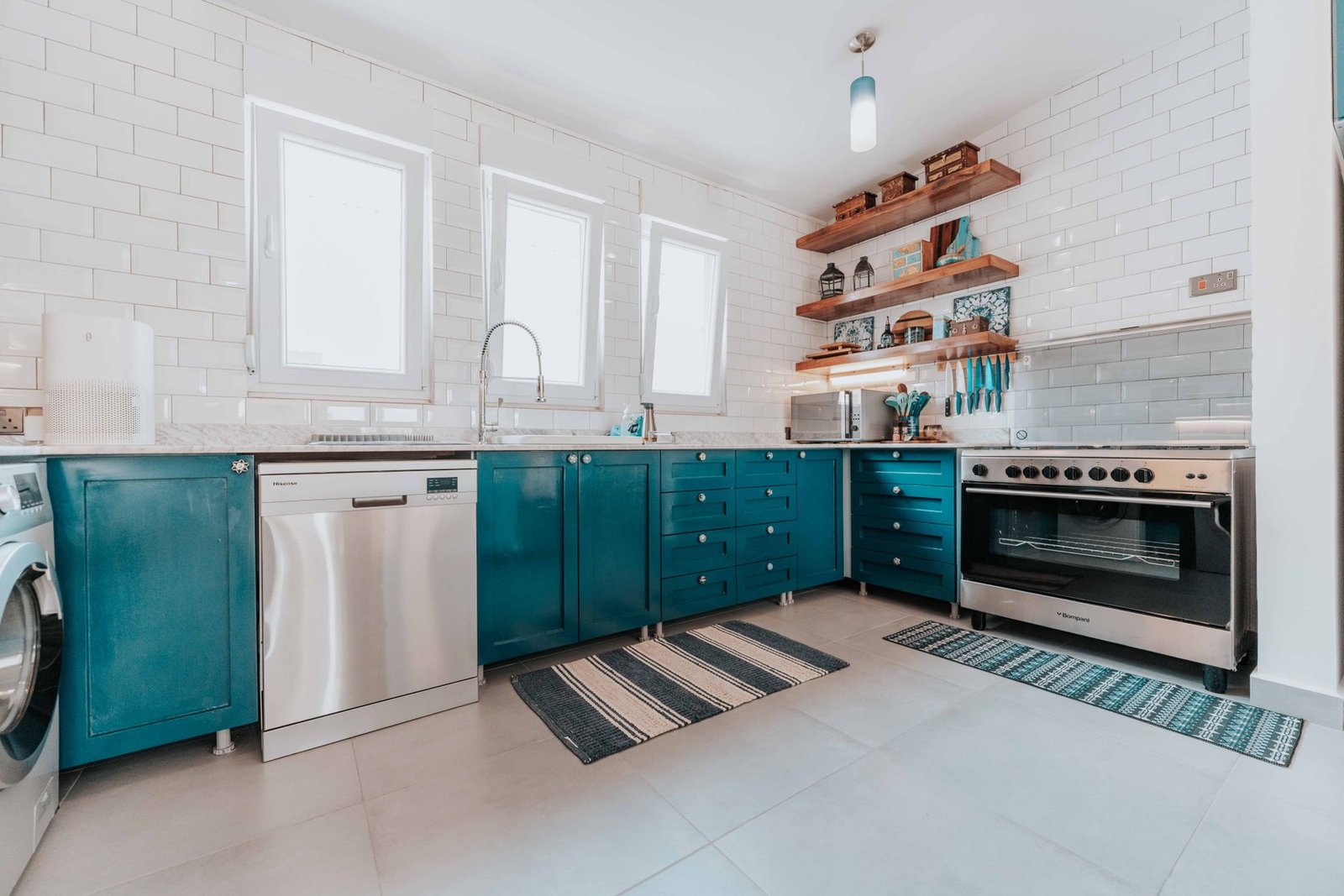
Deciding between open shelving and closed cabinets for a 2026 kitchen design is a pivotal choice, significantly impacting both aesthetics and functionality. For many homeowners, the ‘best’ option hinges on balancing visual preferences with practical needs, as each approach offers distinct advantages tailored to different lifestyles and design philosophies. While open shelving provides a sense of spaciousness and display opportunities, closed cabinets excel in maintaining a clutter-free environment and offering secure, versatile storage.
Open Shelving: A 2026 Perspective
Open shelving continues to be a prominent trend in contemporary kitchen design for 2026, evolving from its minimalist roots to encompass diverse material palettes and integrated technologies.
Aesthetic Appeal and Trends
The visual impact of open shelving is undeniable. It creates an airy, expansive feel, particularly beneficial in smaller kitchens or spaces where a homeowner desires an uninterrupted sightline. For 2026, the aesthetic leans towards thoughtful curation rather than excessive display. This approach allows for the showcasing of decorative ceramics, artisanal dishware, or frequently used spices in an artful manner. Current trends favor clean lines, often with shelves extending to the ceiling to maximize visual height and create a custom, built-in appearance. The integration of subtle, linear LED lighting beneath or within the shelves is a significant 2026 development, casting a warm glow on displayed items and enhancing the kitchen’s ambiance without requiring separate task lighting.
Functionality and Practicality
From a functional standpoint, open shelving offers unparalleled accessibility. Items are always within reach, streamlining workflow for the resident during meal preparation. This ease of access can be particularly appealing in zones dedicated to coffee service or frequently used cooking ingredients. However, the practical considerations include the need for constant tidiness. Every item is on display, demanding meticulous organization and regular cleaning to prevent dust accumulation. For homeowners who prefer a perpetually pristine environment with minimal effort, this aspect requires careful thought. The 2026 approach to practicality often involves designating open shelves for aesthetic items or those used daily, thereby minimizing the burden of perpetual styling.
Material Innovations for 2026
Material choices for open shelving in 2026 reflect a blend of sustainability and sophisticated aesthetics. Reclaimed and sustainably sourced timbers, such as matte-finished oak or walnut, remain popular, offering warmth and texture. These are often treated with low-VOC finishes to align with eco-conscious homeowner preferences. Furthermore, advancements in composite materials allow for ultra-thin, yet incredibly strong, shelves in finishes like concrete-effect laminate or sintered stone, offering durability and a sleek, industrial edge. Metal shelving, particularly in blackened steel, brushed brass, or muted bronze, provides a contemporary contrast, often paired with glass or solid wood insets for added visual interest. These metallic options frequently incorporate discreet, integrated sensor-activated lighting systems for a seamless, modern look.
Closed Cabinets: The Enduring Classic for 2026
Closed cabinets continue to form the backbone of most kitchen designs, offering robust storage solutions and a versatile canvas for various interior styles. The 2026 iteration sees significant advancements in materials, smart features, and ergonomic design.
Timeless Aesthetics and Security
The primary aesthetic advantage of closed cabinets is their ability to create a clean, uncluttered visual landscape. They conceal kitchen necessities, contributing to a calm and organized atmosphere. This is particularly valued in open-plan living spaces where the kitchen is an integral part of the larger communal area. For 2026, handle-less designs dominate, utilizing push-to-open mechanisms or integrated J-pulls to maintain sleek, uninterrupted lines. These designs contribute to a sense of spaciousness and modernity. Cabinets also offer a level of security, protecting delicate items from dust, grease, and accidental damage, making them ideal for storing valuable or infrequently used kitchenware.
Optimized Storage and Cleanliness
Functionally, closed cabinets are unparalleled for maximizing storage efficiency. Modern cabinet interiors feature a plethora of innovative solutions: pull-out pantries, deep drawers with integrated dividers, corner carousels, and appliance garages. These systems ensure that every inch of space is utilized effectively, keeping items organized and easily accessible without being visually exposed. The enclosed nature of cabinets also inherently reduces dust and grime accumulation on stored items, significantly decreasing the ongoing cleaning requirements for the resident. This practical benefit is a major draw for busy households and those who prefer a low-maintenance kitchen environment.
Smart Technologies and Materials
2026 brings an exciting array of smart technologies to closed cabinetry. Automated lift systems for upper cabinets allow them to retract silently at the touch of a button, enhancing accessibility for individuals of varying heights. Interior cabinet lighting, often sensor-activated, illuminates contents upon opening, making it easier to locate items. Charging drawers for small electronics are becoming standard, offering a discreet solution for gadget storage. Material-wise, sustainable choices are paramount. Advanced composite panels, often incorporating recycled content, offer exceptional durability, moisture resistance, and a wide array of finishes, from hyper-realistic wood grains to sophisticated matte lacquers and textured laminates that mimic natural stone. Biophilic design influences are strong, with cabinet fronts featuring natural wood veneers and finishes that invite tactile interaction, promoting a connection to nature even within a modern space.
Making the Informed Choice for Kitchen Design in 2026
The decision between open shelving and closed cabinets is rarely an either/or proposition for the 2026 homeowner; more often, it involves a strategic blend of both.
Hybrid Approaches and Zoned Functionality
Many contemporary kitchen designs expertly combine open and closed elements to achieve both aesthetic appeal and practical efficiency. For instance, upper cabinets may be replaced with open shelving in specific zones – perhaps above a coffee station or a dedicated display area – while the rest of the kitchen retains closed cabinetry for bulk storage. This hybrid approach allows the resident to curate visual interest where desired, without sacrificing the vast storage capacity and clutter control offered by enclosed units. The concept of zoned functionality is key: open shelving for frequently accessed or aesthetically pleasing items near prep areas, and closed cabinets for less used, bulkier, or less attractive items in other parts of the kitchen.
Lifestyle and Maintenance Considerations
Ultimately, the optimal choice depends heavily on the individual homeowner’s lifestyle, personal preferences, and maintenance tolerance. For residents who enjoy displaying their collections, maintain meticulous organization, and are willing to commit to regular dusting, open shelving can be a striking design element. Conversely, for those who prioritize a streamlined, clutter-free appearance, maximum storage, and minimal upkeep, closed cabinets will be the more practical and satisfying solution. A busy household with young children, for example, might find the dust protection and hidden storage of closed cabinets invaluable. Conversely, a minimalist individual who only keeps essential, aesthetically pleasing items might embrace open shelving as a core design principle.
Considering the material innovations and smart technologies available in 2026, homeowners have an unprecedented range of options. Whether gravitating towards the display-oriented freedom of open shelving or the organized efficiency of closed cabinets, careful consideration of practical needs, aesthetic desires, and long-term maintenance will guide the creation of a truly functional and beautiful 2026 kitchen.