
Kids’ Craft Chaos? 6 Smart Storage Solutions for 2026
Managing the vibrant world of children’s art and craft supplies can often feel like an unending battle against clutter. The perennial challenge of maintaining an organized, inspiring space while keeping creative tools accessible is a common concern for homeowners. This article presents six intelligent storage solutions specifically designed for children’s art supplies, leveraging 2026’s latest trends and materials to transform any craft zone from chaos to a bastion of creativity.
Understanding the Challenge of Craft Clutter
Children’s artistic endeavors are invaluable for development, yet the accompanying array of crayons, paints, glitter, and paper can quickly overwhelm living spaces. Unorganized supplies lead to lost items, frustration, and often, a reduced inclination for creative exploration. The goal is not just to hide the clutter but to create a system that fosters independence in tidying and encourages artistic expression by making materials easily discoverable and returnable. In 2026, the emphasis is on systems that are not only aesthetically pleasing but also intuitively functional and sustainably minded.
2026 Trends in Home Organization for Kids’ Spaces
The landscape of home organization in 2026 is shaped by several key trends, all applicable to children’s craft areas:
- Sustainable Materials: A growing preference for storage solutions made from recycled plastics, rapidly renewable biocomposites, and certified sustainable wood.
- Modular and Flexible Systems: Adaptable designs that can grow and change with a child’s evolving interests and supply needs.
- Smart Integration: While not always AI-driven, smart elements might include NFC-enabled labels for digital inventory tracking or integrated charging ports for digital art tablets.
- Ergonomics and Accessibility: Designs that are child-friendly, promoting independence in fetching and storing items safely.
- Transparent and Visible Storage: Maintaining visibility of contents to encourage use and easy identification, reducing search time.
6 Smart Storage Solutions for Art Supplies
1. Modular Wall-Mounted Systems
Wall space often remains an underutilized asset in many homes. In 2026, advanced modular wall systems offer customizable configurations of shelves, pegboards, and containers, elevating supplies off surfaces. Systems featuring lightweight, durable composite panels and adjustable hooks or bins made from recycled polymers are increasingly popular. These solutions keep materials within reach but out of the way, preventing surface clutter and offering a visually clean aesthetic. The resident can arrange and rearrange components as needs change, ensuring longevity and adaptability for various art forms.
2. Transparent, Stackable Bioplastic Bins
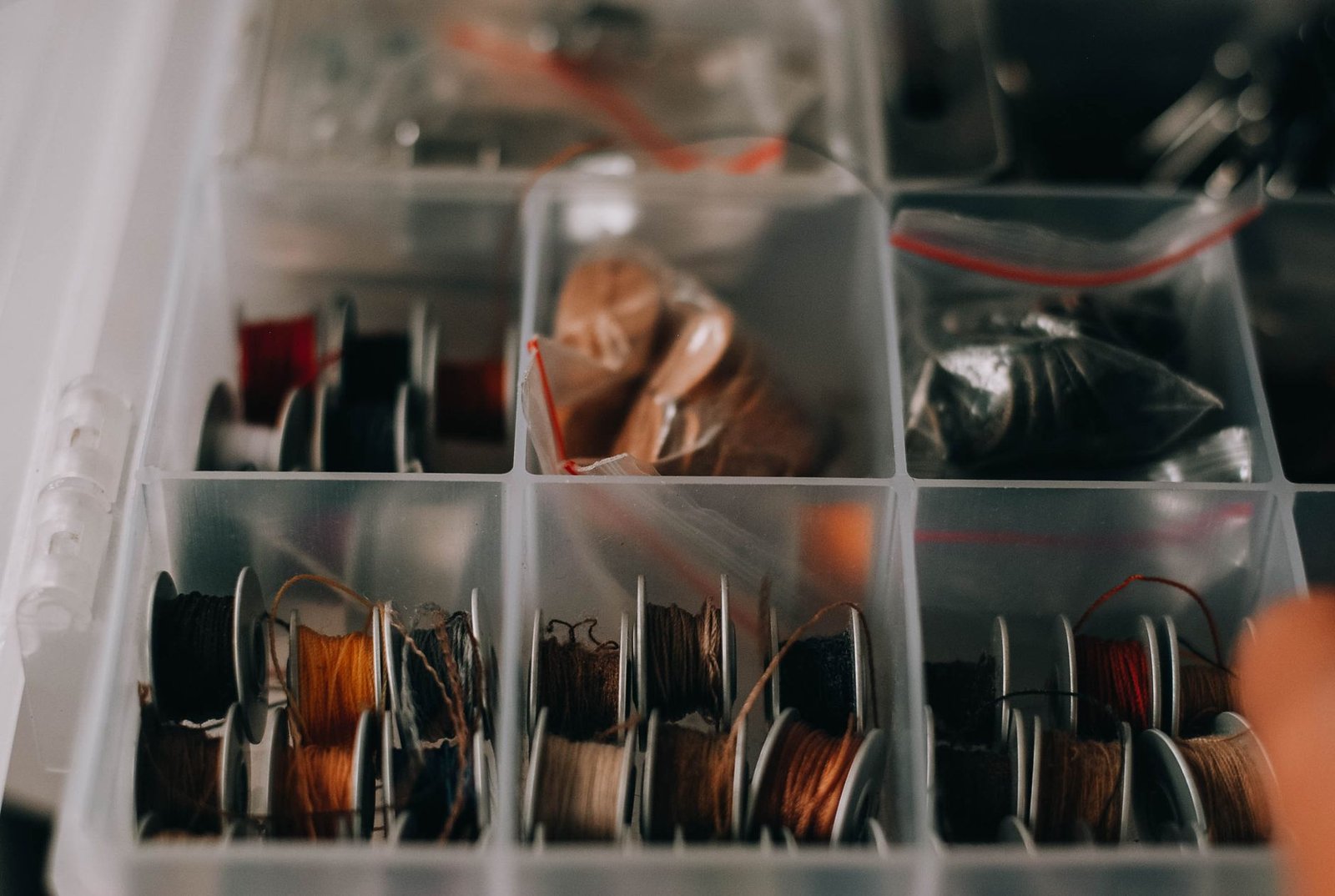
Visibility is crucial for encouraging children to engage with their art supplies. Transparent bins made from advanced, durable bioplastics (derived from plant sources like corn starch or sugar cane) are a leading trend in 2026. These bins are often stackable, maximizing vertical storage, and come with secure, child-friendly latches. They allow for quick visual identification of contents, reducing the time spent rummaging. Opt for bins with varying sizes to accommodate different types of supplies, from small beads to larger paper stacks. Many bioplastic options are also dishwasher-safe, simplifying clean-up.
3. Dedicated Art Carts with Mobile Flexibility
For spaces requiring versatility, a dedicated art cart on wheels is an indispensable tool. Modern art carts in 2026 often feature multi-tiered designs with integrated organizers, crafted from lightweight, rust-resistant powder-coated steel or sturdy, recycled aluminum. Their mobility allows the cart to be easily rolled to any activity area – a kitchen table, a bedroom desk, or even outdoors – and then tucked away when not in use. Some models include specialized compartments for brushes, paper rolls, and even a built-in dispenser for cling film or foil, making them highly functional portable creative hubs.
4. Integrated Furniture Solutions
The future of home design embraces multifunctionality, with furniture offering clever, concealed storage. In 2026, this translates to children’s desks with hidden compartments, benches with lift-top storage for larger canvases or paper, and even beds with built-in drawers designed for craft supplies. These solutions integrate seamlessly into a room’s decor, minimizing visual clutter while maximizing storage potential. Materials often include responsibly sourced wood or engineered wood products with low VOC finishes, ensuring a healthy indoor environment. Such pieces contribute to a minimalist aesthetic while providing ample organizational power.
5. Digital Inventory & Smart Labeling
Leveraging technology for organization is a growing trend. For extensive collections, some homeowners are adopting digital inventory systems linked to smart labels (QR or NFC tags) on storage containers. A quick scan with a smartphone can bring up a detailed list of contents, helping to track supplies and even suggest replenishment when items run low. While not for every item, this system is particularly useful for specialty items, ensuring that a specific shade of paint or a unique crafting tool can always be located without guesswork. This also teaches children about digital cataloging and responsible consumption.
6. Upcycled & DIY Sustainable Options
Embracing a sustainable mindset, upcycling everyday items into creative storage solutions remains a popular and eco-friendly approach in 2026. This includes transforming tin cans into pen holders, old shoeboxes into partitioned organizers (reinforced with eco-friendly adhesives), or repurposing plastic bottles for glitter or small embellishments. These DIY projects not only provide unique, personalized storage but also offer a valuable opportunity for children to participate in the organization process, fostering a sense of ownership and creativity. Emphasis is placed on using non-toxic paints and sealants when customizing these upcycled pieces.
Maximizing Creativity Through Organization
An organized craft space is more than just tidy; it is an invitation to create. When supplies are neatly stored and easily accessible, children are more likely to initiate artistic projects independently and maintain their workspace with less adult intervention. The six solutions presented here offer diverse approaches to tackling craft chaos in 2026, blending modern design, sustainable materials, and practical functionality. Implementing these strategies allows the resident to cultivate an environment where creativity flourishes, and the joy of making is never overshadowed by the frustration of clutter.