
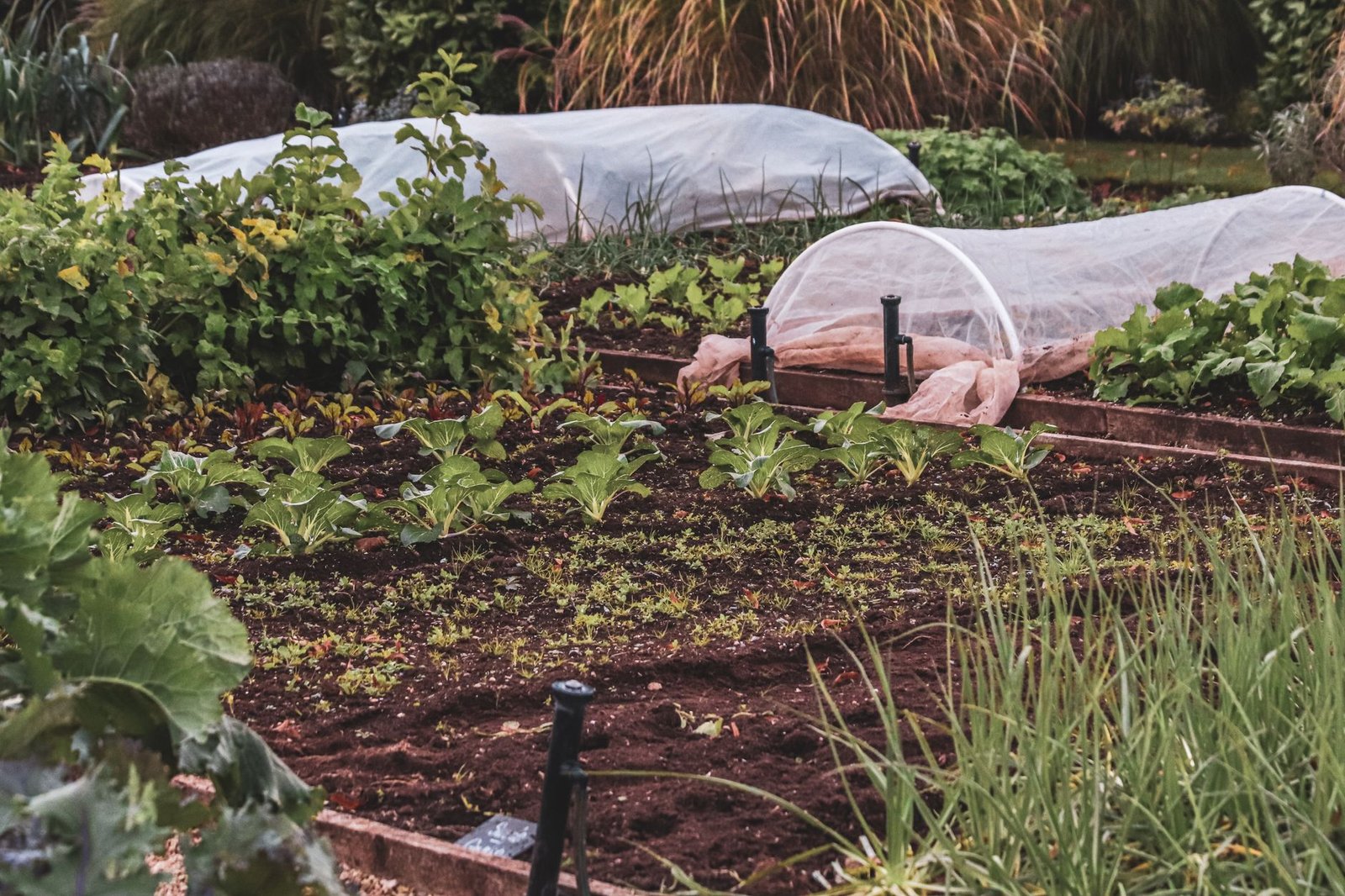
In 2026, determining the optimal raised garden bed material involves a nuanced assessment of durability, initial investment, long-term value, and sustainable practices. While no single ‘best’ material universally addresses every gardening scenario, galvanized steel and high-quality, sustainably sourced composite materials are increasingly recognized for their extended longevity and minimal maintenance requirements, providing robust solutions for diverse gardening aspirations. The prevailing choice ultimately hinges on the specific needs, aesthetic preferences, and environmental priorities of the individual homeowner.
The Enduring Appeal of Wood
Wood has long been a traditional choice for raised garden beds, appreciated for its natural aesthetic and relative ease of construction. In 2026, the discussion around wood materials emphasizes responsible sourcing and inherent resistance.
Durability and Lifespan
Naturally rot-resistant woods like cedar and redwood remain popular. These premium varieties can last between 10 to 20 years, depending significantly on local climate, soil moisture levels, and construction quality. The sapwood of these trees is less resistant than the heartwood, impacting overall lifespan. Untreated common lumber, such as pine or fir, is considerably less durable, often requiring replacement within 3-7 years due to rapid decomposition and pest susceptibility. Pressure-treated lumber, historically a cost-effective option, faces increasing scrutiny in 2026 due to concerns regarding chemical leaching into the soil. Modern pressure-treated options utilize less toxic formulations like ACQ (Alkaline Copper Quaternary), but many organic gardeners still prefer to avoid them entirely, opting instead for naturally resistant species or inert barriers. Emerging trends include thermally modified wood, which enhances durability without chemical additives, though at a higher cost.
Cost Considerations
The cost of wooden raised beds varies widely. Basic untreated lumber is the most economical initial investment but incurs higher long-term costs due to frequent replacement. Cedar and redwood occupy a mid-to-high price point, reflecting their extended lifespan and aesthetic appeal. Custom-built wood beds can also increase labor costs if professional installation is desired. For the environmentally conscious resident, verifying sustainable forestry certifications (e.g., FSC) can add to material costs but aligns with modern ecological values.
Suitability and Aesthetics
Wood offers a classic, organic look that integrates seamlessly with many garden designs, from rustic to formal. It is highly versatile, allowing for custom shapes and sizes to fit unique landscape layouts. Wood is also less prone to overheating in direct sun compared to some metal options. However, regular maintenance, such as sealing or staining, may be required to preserve its appearance and extend its life, a factor for homeowners considering their commitment to upkeep.
The Modern Edge of Metal
Metal raised garden beds have seen a surge in popularity, particularly in contemporary landscape designs, offering a blend of industrial aesthetics and robust performance.
Durability and Lifespan
Galvanized steel is a leading contender in 2026, offering exceptional resistance to rust and corrosion due to its zinc coating. These beds can last 20 to 30 years or more with minimal degradation. Corten steel, often called ‘weathering steel,’ develops a stable, self-protecting rust-like patina that eliminates the need for painting or sealing and contributes to its distinct aesthetic appeal, typically lasting upwards of 25 years. Aluminum is another lightweight, non-corrosive option known for its extreme longevity, though it often comes with a higher price tag. The structural integrity of metal beds ensures they can withstand significant soil pressure over decades.
Cost Considerations
The initial investment for high-quality metal raised beds is generally higher than for basic wooden options. However, their superior durability and negligible maintenance requirements translate into substantial long-term savings by eliminating the need for frequent replacement or intensive upkeep. This long-term value proposition makes metal an attractive choice for many residents seeking a ‘set it and forget it’ solution.
Suitability and Aesthetics
Metal beds excel in modern, minimalist, and industrial-inspired landscapes. Their clean lines and variety of finishes (from shiny galvanized to earthy Corten) offer a distinctive design element. Metal can be advantageous in cooler climates as it absorbs and retains solar heat, potentially extending the growing season. Conversely, in very hot climates, this heat retention could stress certain plants, necessitating strategic placement or additional mulching to regulate soil temperature. The user appreciates their resistance to pests and rot, ensuring soil integrity over time.
The Innovative Versatility of Composite & Recycled Materials
Composite and recycled plastic materials represent a significant advancement in sustainable and low-maintenance gardening solutions, gaining considerable traction in 2026.
Durability and Lifespan
These engineered materials are designed for maximum resilience. Wood-plastic composites (WPC) combine wood fibers with recycled plastics, offering excellent resistance to rot, insects, and UV degradation. 100% recycled plastic lumber provides unparalleled durability, often exceeding 25-30 years with virtually no maintenance. These materials do not warp, splinter, or require sealing, making them incredibly robust against environmental stressors. Their inert nature also ensures no chemical leaching into the soil, a critical factor for organic food production.
Cost Considerations
The initial cost for composite and recycled plastic raised beds typically falls into the mid-to-high price range, comparable to or slightly exceeding premium natural woods or entry-level metals. However, their exceptional lifespan and complete lack of maintenance—no painting, staining, or sealing ever required—result in a significantly lower lifetime cost compared to most other options. This makes them a wise long-term investment for the resident.
Suitability and Aesthetics
Composite materials offer a consistent, uniform appearance, often mimicking the look of wood without its associated maintenance. They come in various colors and textures, providing design flexibility. Their inertness makes them ideal for organic gardening, as there are no concerns about contaminants. They are also incredibly easy to clean. For residents prioritizing sustainability, the use of recycled content and the material’s own recyclability at end-of-life make them an environmentally responsible choice in 2026. They are perfect for users seeking a durable, eco-friendly, and maintenance-free option.
Emerging Trends and Future Considerations for 2026
The landscape of raised garden bed materials continues to evolve, driven by environmental consciousness and technological innovation.
- Sustainability as a Primary Driver: Beyond recycled content, 2026 sees a heightened focus on the entire lifecycle of materials—from sourcing and manufacturing energy consumption to end-of-life recycling options. Homeowners are increasingly requesting transparency regarding a product’s environmental footprint.
- Integrated Smart Solutions: While still niche, modular raised beds incorporating integrated self-watering systems, smart soil moisture sensors, and even automated nutrient delivery are appearing. These innovations aim to simplify gardening and optimize plant health, leveraging advancements in IoT for domestic agriculture.
- Advanced Surface Coatings: Research is ongoing into ultra-durable, non-toxic coatings for wood and metal that offer enhanced weather resistance and extended aesthetic appeal without compromising ecological integrity. These coatings are designed to be safe for food gardening.
- Modular and Customizable Designs: Manufacturers are offering highly configurable systems that allow for easy expansion, reconfiguration, and adaptation to changing garden needs or property layouts, reflecting a desire for flexibility among residents.
- Thermal Regulation Enhancements: For regions with extreme temperatures, explorations into materials or internal designs that offer better thermal insulation for soil are underway, aiming to protect root systems from overheating or freezing.
Making the Optimal Choice
Selecting the best raised garden bed material in 2026 requires careful consideration of several key factors:
- Budget: Evaluate not just the initial purchase price but also the long-term costs associated with maintenance and potential replacement.
- Aesthetic Preference: Align the material’s look with the overall architectural style of the home and the desired garden ambiance.
- Climate Conditions: Factor in sun exposure, precipitation levels, and seasonal temperature extremes, as these can significantly impact material performance.
- Maintenance Commitment: Assess the amount of time and effort the homeowner is willing to dedicate to the upkeep of the garden beds.
- Gardening Goals: For organic gardening, prioritizing inert, non-leaching materials is paramount to ensure food safety and soil health.
- Environmental Impact: Consider materials with responsible sourcing, high recycled content, and clear end-of-life recycling pathways to align with sustainable living principles.
By thoughtfully weighing these elements, the resident can confidently choose a raised garden bed material that not only thrives in 2026 but also contributes to a flourishing and sustainable outdoor living space for years to come.