
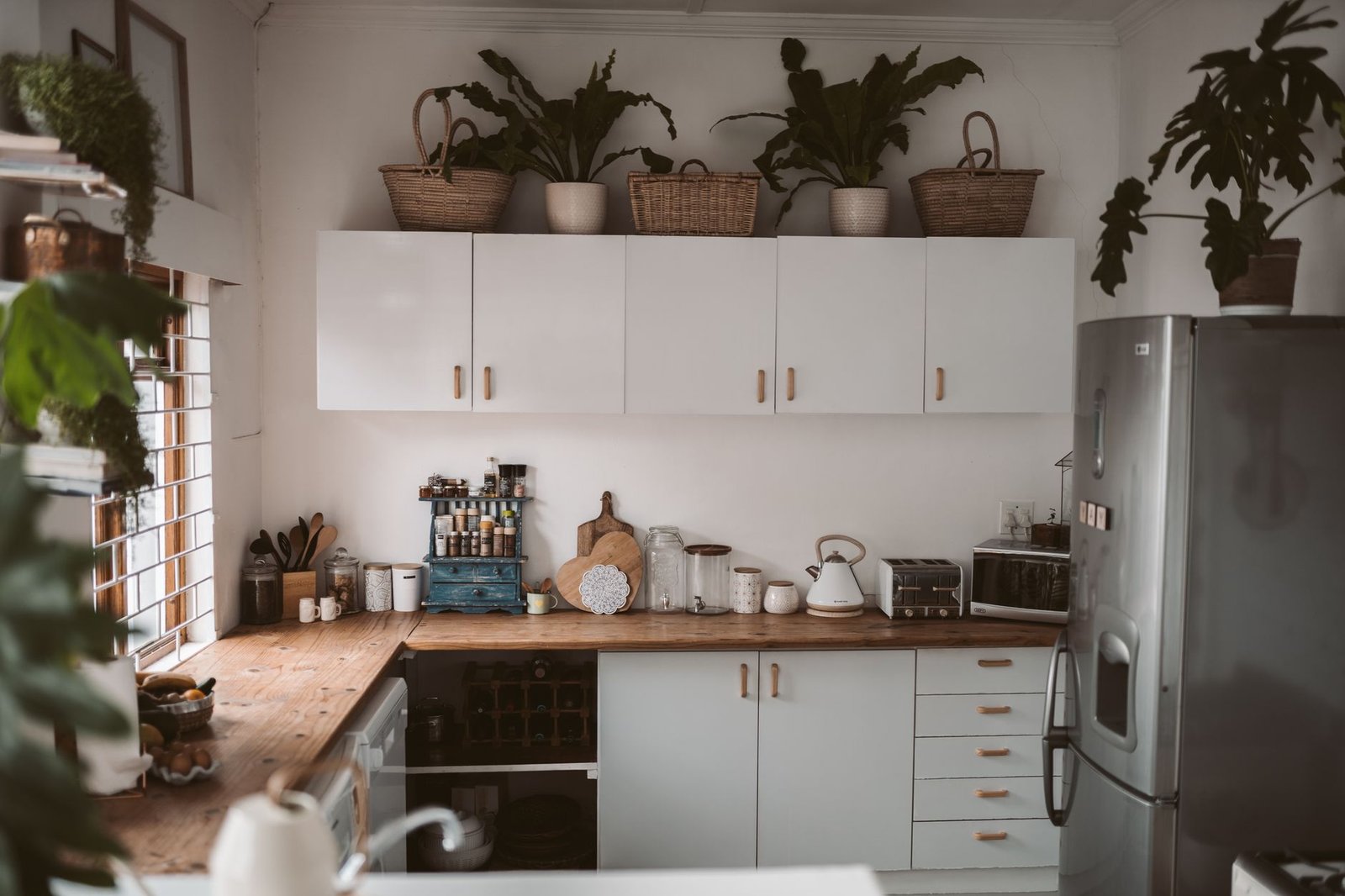
The challenge of managing small kitchen appliances often leads to cluttered countertops and disorganised cabinets, particularly within compact culinary spaces. This persistent issue can diminish both the aesthetic appeal and the functional efficiency of a kitchen. Thankfully, innovative storage solutions are continually evolving, offering residents practical and stylish ways to reclaim their kitchen areas in 2026.
Modern home design principles emphasize a harmonious blend of form and function, recognizing that a tidy kitchen contributes significantly to overall domestic comfort. For those grappling with the seemingly endless array of blenders, toasters, coffee makers, and food processors, effective strategies exist to transform chaotic zones into streamlined, enjoyable environments. The following six smart storage solutions address common pain points, leveraging contemporary design trends and material advancements to ensure every small appliance has a designated, accessible, yet discreet home.
Maximizing Vertical Space: Reimagining Above-Counter Solutions
Verticality remains a cornerstone of efficient small kitchen design, offering untapped potential for appliance storage. By extending storage upwards, valuable countertop real estate can be preserved for food preparation and daily use.
Tiered Organizers and Expandable Shelving
- Multi-tiered shelving units are no longer just for pantries; their application on countertops or inside larger cabinets provides immediate vertical segregation for smaller appliances like blenders, choppers, or espresso machines. Materials in 2026 often include sleek, powder-coated steel or transparent, durable acrylics, designed for stability and easy cleaning.
- Expandable and adjustable shelves allow for custom fitting within existing cabinet structures, accommodating varying appliance heights. These systems often incorporate smooth gliding mechanisms and robust load-bearing capabilities, ensuring ease of access and longevity.
- The integration of biophilic design elements into these units, such as bamboo accents or muted earth tones, aligns with current trends promoting natural aesthetics and a calming atmosphere within the home.
Wall-Mounted and Under-Cabinet Innovations
- Wall-mounted appliance caddies or rails offer a floating storage solution for items like stand mixers or even compact blenders, freeing up significant surface area. Modern iterations often feature concealed wiring channels for a seamless, cordless look.
- Under-cabinet appliance lifts or platforms, especially for bulkier items, allow an appliance to be stored discreetly beneath the upper cabinets and then smoothly brought to countertop level when needed. These systems, frequently powered by quiet, energy-efficient motors, represent a significant leap in ergonomic kitchen design, reducing strain and enhancing accessibility for the resident.
- Advanced composite materials, including recycled aluminum and polymers, provide lightweight yet strong construction, supporting heavier appliances while maintaining a minimalist profile.
Smart Cabinet Integration: Concealed and Accessible Storage
Cabinets are the backbone of kitchen storage, and their strategic modification can dramatically improve appliance organization. The goal is to keep appliances out of sight when not in use, without making them difficult to retrieve.
Pull-Out and Revolving Shelves
- Pull-out shelves and drawers are essential for deep cabinets, eliminating the need to reach or rummage. These can be customized with dividers or inserts to cradle specific appliances, preventing shifting and potential damage.
- Lazy Susans or revolving corner units maximize otherwise awkward corner cabinet spaces, providing easy access to multiple smaller appliances with a simple spin. Contemporary designs often feature soft-close mechanisms and high-grade, food-safe plastics or laminates that resist scratches and stains.
- In 2026, many of these systems are integrated with smart sensor lighting, illuminating the cabinet interior as it opens, enhancing visibility and user convenience.
Appliance Garages and Custom Inserts
- Appliance garages, integrated into the countertop or cabinet run, provide a dedicated, enclosed space for commonly used appliances like toasters or coffee makers. These often feature roll-up or pocket doors that disappear when open, maintaining a clean aesthetic. Current trends favor sleek, frameless designs that blend seamlessly with adjacent cabinetry.
- Custom-designed cabinet inserts for specific appliances (e.g., a toaster oven, a compact food processor) ensure a snug fit and prevent clutter. These inserts can be crafted from sustainable wood composites or durable, recycled plastics, emphasizing precision and functionality.
- The use of biometric locks or smart-home integrated controls for these garages offers an additional layer of convenience and security, allowing for touch-free operation or remote access for the modern homeowner.
Countertop Optimization and Multifunctional Solutions
Even with ample cabinet storage, some appliances require frequent countertop presence. The key is to select and arrange them intelligently, integrating them into the overall kitchen design.
Multifunctional Appliances and Sleek Design
- Investing in multifunctional appliances reduces the sheer number of items needing storage. For example, a single smart oven might combine air frying, toasting, and convection baking, replacing three separate units. The market in 2026 offers highly aesthetic and compact models designed to complement minimalist kitchen aesthetics.
- When appliances must reside on the countertop, choosing models with sleek, uniform designs and neutral color palettes ensures they contribute to, rather than detract from, the kitchen’s visual harmony. Many brands are prioritizing compact footprints and premium finishes that blend with modern decor.
- Emphasis is placed on materials that are easy to clean and maintain, such as fingerprint-resistant stainless steel or matte-finish composites.
Integrated Charging Stations and Drawer Solutions
- Countertop charging stations seamlessly integrated into the backsplash or a discreet corner keep handheld blenders, frothers, and other cordless gadgets powered and ready without visible cables. These often feature inductive charging pads for a truly wire-free experience.
- Deep, soft-close drawers with custom inserts are ideal for storing smaller, frequently used items such as hand mixers, blenders, or food processor attachments directly below the countertop. The user can simply pull out the drawer, access the item, and return it with minimal effort.
- The development of anti-microbial drawer liners and internal surfacing materials provides an extra layer of hygiene, reflecting heightened domestic comfort standards.
Future-Forward Materials and Technology for 2026 Kitchens
The landscape of kitchen organization in 2026 is significantly shaped by advancements in materials science and smart technology, offering solutions that are not only functional but also sustainable and intuitive.
Sustainable and Durable Materials
- Recycled composites: A prominent trend involves storage solutions crafted from recycled plastics, metals, and even discarded textiles, transformed into durable, aesthetically pleasing components. These materials offer high performance with a reduced environmental footprint.
- Bioplastics and bamboo: Renewable resources like bamboo and plant-derived bioplastics are increasingly utilized for drawer organizers, shelving, and appliance housing, providing natural warmth and eco-conscious appeal. Their inherent strength and resistance to moisture make them ideal for kitchen environments.
- Self-healing and anti-microbial surfaces: Some advanced laminates and coatings now offer self-healing properties against minor scratches or integrated anti-microbial agents, ensuring storage solutions remain pristine and hygienic with minimal effort for the resident.
Smart Storage Enhancements
- IoT-enabled organization: Future kitchen systems can feature integrated sensors that track appliance usage, suggest optimal storage locations based on frequency, or even reorder consumables related to specific appliances.
- Modular and reconfigurable systems: Storage units designed with modularity in mind allow for effortless reconfiguration as appliance needs or kitchen layouts evolve. Magnetic attachments, snap-together components, and tool-free assembly are common characteristics.
- Voice-activated or app-controlled access: For high-end installations, voice commands or smartphone applications can activate appliance lifts, open specific cabinet doors, or adjust lighting within storage zones, offering unparalleled convenience for the modern homeowner.
Conclusion: Crafting a Streamlined Culinary Space in 2026
Tackling small kitchen appliance chaos is an achievable goal for residents in 2026. By embracing a combination of intelligent vertical solutions, discreet cabinet integration, thoughtful countertop management, and future-forward material choices, any kitchen, regardless of its size, can become a model of efficiency and elegance. The transition from cluttered surfaces to a harmoniously organized culinary environment not only enhances daily routines but also significantly elevates the overall domestic comfort and aesthetic appeal of the home. Implementing these smart storage strategies empowers the user to create a kitchen that is both highly functional and a true reflection of contemporary design principles.