
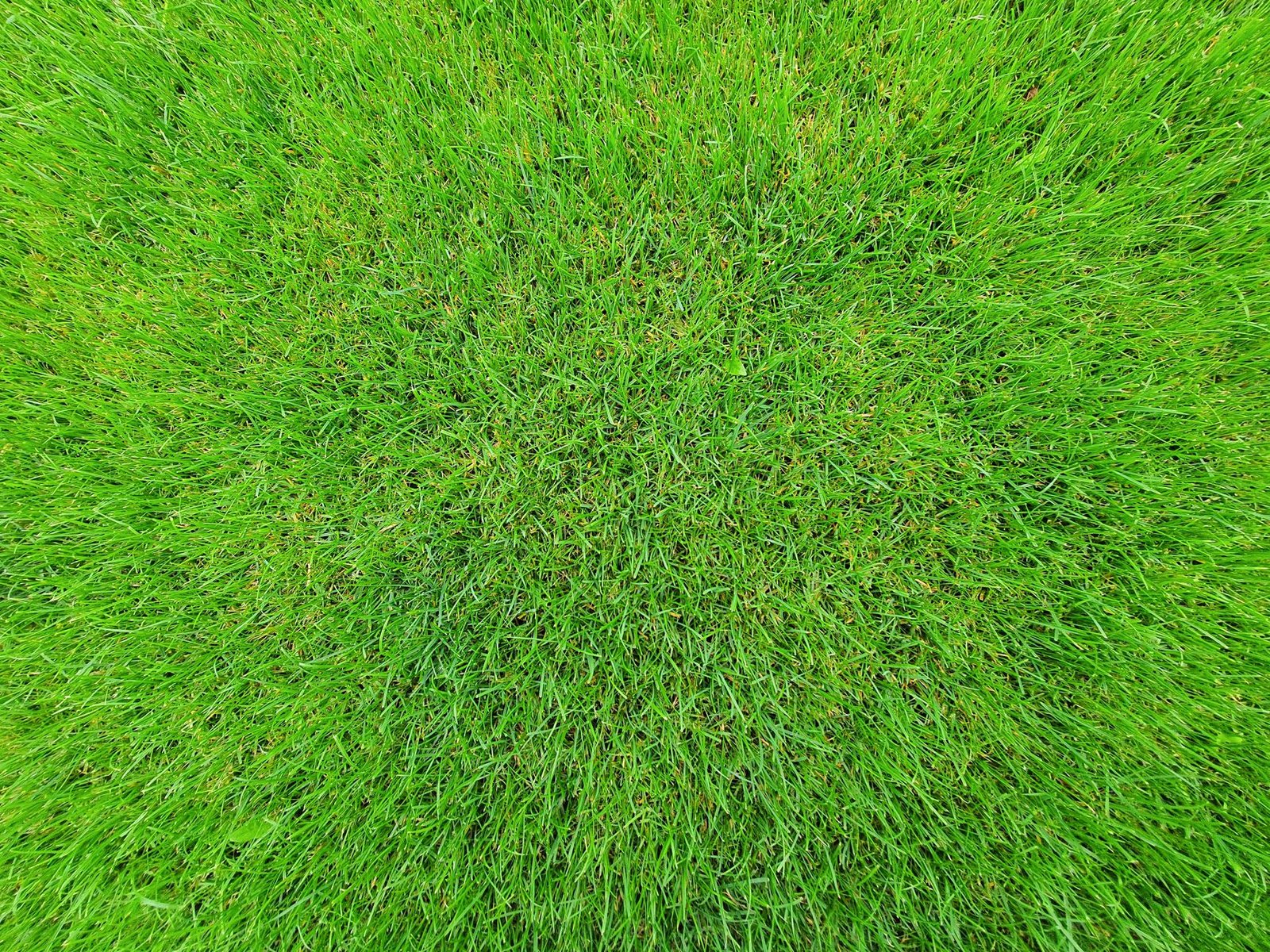
As 2026 progresses, homeowners and landscape enthusiasts are increasingly encountering the challenge of struggling lawns, particularly as summer temperatures continue to escalate. Grassy patches dying, wilting, or turning brown are common indicators of a lawn under significant stress. This comprehensive guide offers actionable steps and expert insights to diagnose and effectively revive a struggling lawn, ensuring outdoor spaces remain vibrant and resilient amidst increasingly hot conditions.
Diagnosing the Problem: Beyond Thirst
Reviving a distressed lawn begins with accurate diagnosis. While insufficient water is often the first assumption, several factors, alone or in combination, can contribute to lawn decline.
Identifying Common Stressors
- Heat Stress: Lawns suffering from heat stress exhibit dull, grayish-green hues, wilting, or a lack of springiness when walked upon. The grass blades may curl inward to conserve moisture.
- Under/Overwatering: Both extremes can be detrimental. Underwatering leads to dry, brittle grass, while overwatering can cause root rot, fungal diseases, and nutrient leaching. The resident can perform a simple ‘screwdriver test’ to assess soil moisture: if a screwdriver penetrates the soil easily to 6-8 inches, moisture levels are generally adequate.
- Pests & Diseases: Hot, humid 2026 summers create ideal conditions for various lawn pests and fungal diseases. Common culprits include chinch bugs, grubs, armyworms, and fungal issues like brown patch or dollar spot. Irregularly shaped dead patches, chewed blades, or visible insects/fungal growth are key indicators.
- Nutrient Deficiencies: A lack of essential nutrients can weaken grass, making it more susceptible to stress. Pale yellowing, stunted growth, or specific patterns of discoloration often signal a nutrient imbalance. A soil test is crucial for precise identification.
- Compaction: Heavy foot traffic or machinery can compact soil, restricting root growth, water penetration, and air circulation. Hard, dense patches of soil and thinning grass are typical signs.
Modern Diagnostic Tools for 2026
Leveraging 2026’s technological advancements can significantly enhance diagnostic accuracy:
- Smart Irrigation Sensors: These systems monitor soil moisture levels, local weather patterns, and even plant evapotranspiration rates to ensure optimal watering, preventing both underwatering and overwatering.
- AI-Powered Lawn Analysis Apps: Several smartphone applications utilize image recognition to help identify common lawn pests, diseases, and nutrient deficiencies from uploaded photos, offering preliminary insights and treatment suggestions.
- Professional Soil Testing Kits: Beyond basic pH and NPK, advanced kits available in 2026 offer detailed analysis of micronutrients, soil organic matter, and microbial activity, providing a holistic view of soil health.
Strategic Revival Techniques for 2026
Once the underlying issues are identified, targeted strategies can be implemented to bring the lawn back to health.
Optimized Watering Practices
Correct watering is paramount, especially during hot summers:
- Deep and Infrequent: Encourage deep root growth by watering deeply (to 6-8 inches) but less frequently. Early morning is the ideal time to minimize evaporation and allow grass blades to dry before nightfall, reducing fungal risks.
- Adhering to Local Restrictions: Be mindful of any municipal watering restrictions, often imposed during drought conditions. Smart irrigation systems can be programmed to comply automatically.
- Leveraging Smart Technology: Modern smart irrigation controllers connect to hyper-local weather data, adjusting schedules dynamically to prevent unnecessary watering after rain or during cooler periods.
Targeted Nutrition & Soil Health
Nourishing the soil creates a resilient environment for grass:
- Slow-Release Organic Fertilizers: The 2026 trend emphasizes organic, slow-release fertilizers that feed the soil microbiome, promoting long-term health rather than just short-term growth. These provide a steady supply of nutrients without burning the grass during heat.
- Soil Amendments: Incorporating compost or biochar can dramatically improve soil structure, water retention, and microbial activity, particularly in sandy or clay soils. Biochar, specifically, is gaining traction for its long-term benefits in carbon sequestration and soil fertility.
- Aeration: For compacted areas, core aeration removes small plugs of soil, creating channels for air, water, and nutrients to reach the root zone. This is best done in cooler periods of spring or fall, but spot aeration in struggling compacted patches can be beneficial.
Pest and Disease Management
An Integrated Pest Management (IPM) approach is recommended for sustainable solutions:
- Identification and Monitoring: Correctly identify the pest or disease before treatment. Regular monitoring helps catch problems early.
- Biological Controls: For grubs and other soil-dwelling pests, beneficial nematodes or milky spore are eco-friendly alternatives to chemical pesticides. Specific beneficial fungi can help combat certain diseases.
- Disease-Resistant Varieties: If reseeding or overseeding, selecting grass varieties known for their resistance to common local diseases and pests can significantly reduce future problems.
Mowing and Maintenance
Proper mowing habits contribute significantly to lawn health:
- Higher Blade Settings: During hot periods, raise the mower blade to its highest setting (typically 3-4 inches). Taller grass provides natural shade to the soil, reducing water evaporation and keeping roots cooler.
- Sharp Blades: Dull mower blades tear grass, creating jagged cuts that make the plant more susceptible to disease and stress. Sharpen blades regularly.
- Leaving Clippings: Unless heavy with disease, leaving grass clippings on the lawn returns valuable nitrogen and organic matter to the soil, acting as a natural mulch.
Preventative Measures and Future-Proofing
To ensure long-term resilience, especially against the backdrop of increasingly warm summers, proactive planning is essential.
Choosing Resilient Grass Varieties
The right grass can make all the difference:
- Regional Suitability: Select grasses appropriate for the local climate. Warm-season grasses (e.g., Zoysia, Bermuda) thrive in heat and humidity, while cool-season grasses (e.g., Fescues, Ryegrass) prefer milder temperatures but may struggle in extreme 2026 summer heat without extra care.
- Drought-Tolerant Cultivars: Modern breeding has produced improved drought-tolerant varieties within both warm and cool-season types. Exploring options like certain Tall Fescues or drought-resistant Bermuda grass is advisable.
- Low-Water Alternatives: For areas consistently struggling, consider replacing traditional turf with low-water alternatives such as clover mixes, native groundcovers, or xeriscaping elements. This 2026 trend reduces reliance on irrigation and provides ecological benefits.
Long-Term Soil Building
A healthy soil ecosystem is the foundation of a robust lawn:
- Regular Organic Matter Incorporation: Annual topdressing with compost or other organic materials continually enriches the soil, improving its structure, water retention, and nutrient-holding capacity.
- pH Balance Maintenance: Regular soil tests help monitor pH levels. Adjusting soil pH with lime (to raise) or sulfur (to lower) creates optimal conditions for nutrient uptake by grass roots.
Smart Landscape Design
Thoughtful design can mitigate environmental stress:
- Strategic Shade Solutions: Planting deciduous trees or installing pergolas in key areas can provide essential shade during the hottest parts of the day, reducing heat stress on the lawn.
- Zoning Irrigation: Divide the lawn into irrigation zones based on sun exposure and grass type. This allows for tailored watering, ensuring no area is over or under-watered.
- Xeriscaping Principles: For areas prone to extreme heat or water scarcity, incorporating xeriscaping principles—using drought-tolerant plants and efficient irrigation—can create beautiful, sustainable landscapes.
Embracing 2026 Innovations
The landscape industry continues to evolve with sustainable solutions:
- Permeable Paving: Utilizing permeable pavers for walkways and patios around lawn areas helps manage stormwater runoff, allowing water to infiltrate the soil naturally and replenish groundwater.
- Greywater Recycling Systems: For the environmentally conscious homeowner, installing a greywater recycling system can provide a sustainable source of irrigation water for non-edible landscape plants, including lawns.
- Automated Robotic Mowers: Beyond convenience, modern robotic mowers can maintain consistent grass height, often mulching clippings finely back into the lawn, contributing to soil health with minimal effort. Some even feature smart zone management and rain sensors.
Reviving a struggling lawn in hot 2026 summers requires a combination of astute observation, targeted intervention, and proactive, sustainable practices. By understanding the root causes of decline and applying modern solutions, the homeowner can transform an ailing lawn into a vibrant, resilient outdoor space that withstands environmental challenges. The commitment to holistic soil health, efficient watering, and smart design not only restores beauty but also future-proofs the landscape for years to come.