A living room that feels cold and uninviting can diminish the overall comfort of a home. Such spaces often lack the warmth and personality essential for relaxation and connection. Fortunately, by implementing specific design strategies focusing on color, texture, lighting, and furniture arrangement, any living room can be transformed into a cozy and welcoming sanctuary, aligning with the prevalent interior design trends for 2026.
The Foundation: Color and Texture Palettes for 2026
The strategic application of color and texture forms the bedrock of an inviting living room. For 2026, the emphasis remains on nature-inspired palettes and tactile materials that engage the senses.
Embracing Warm Color Palettes
To counteract a sterile environment, the resident should lean towards warm and earthy color palettes. Muted greens, such as sage and moss, continue their prominence, offering a serene, biophilic connection. Terracotta and deep rust tones provide grounding warmth, especially when used in accent walls or larger furniture pieces. Soft, creamy off-whites, oatmeals, and mushroom greys serve as excellent foundational neutrals, creating a canvas that feels inherently soft rather than stark. Bold accents can be introduced through deep jewel tones like muted sapphire or rich emerald, offering sophisticated contrast without overwhelming the warmth.
The trend for 2026 also sees a resurgence of sun-baked hues, incorporating pigments inspired by desert landscapes, which naturally evoke a sense of comfort and sun-drenched ease.
Layering with Tactile Textures
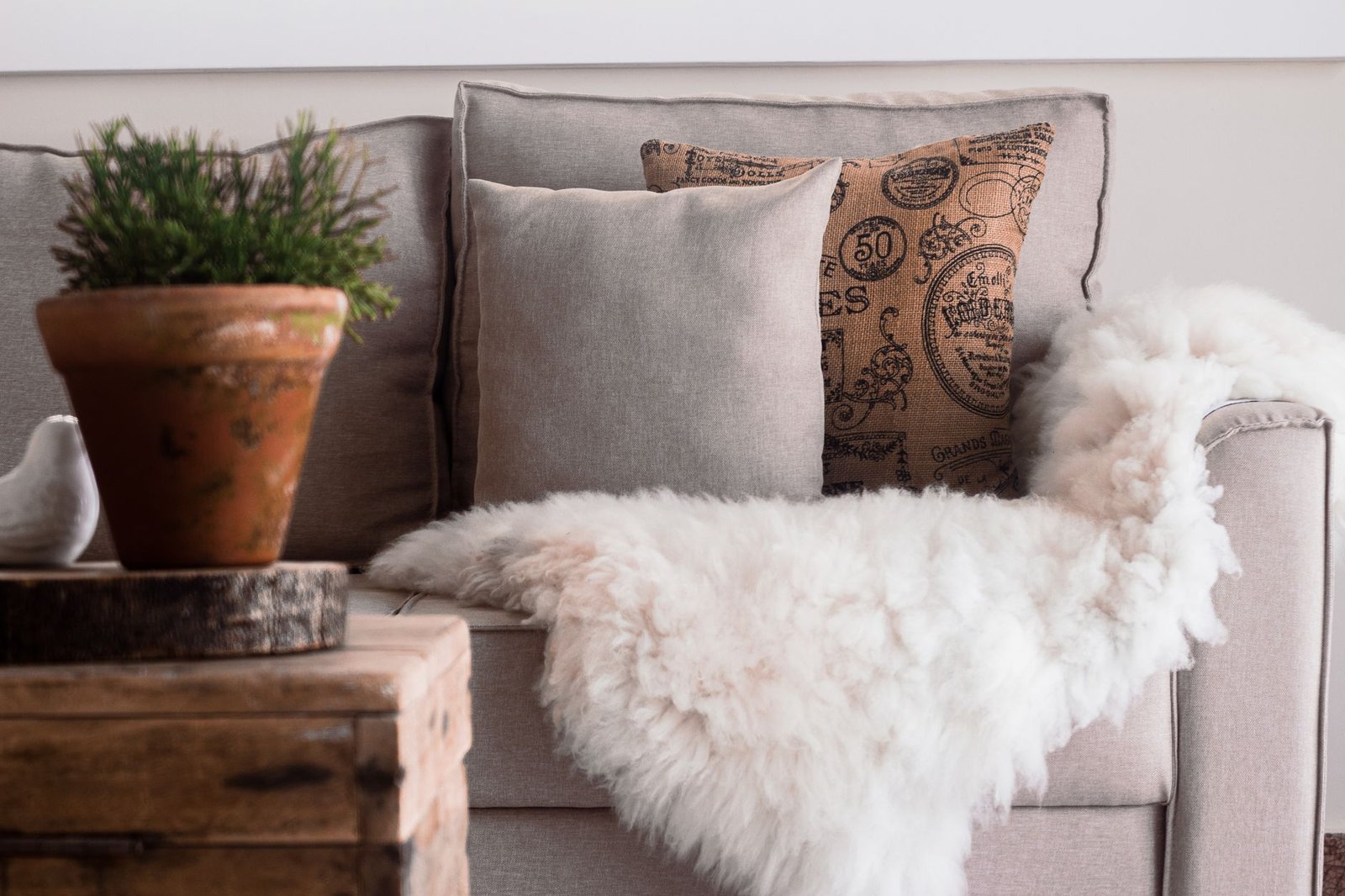
Texture is paramount in adding depth and a sense of luxury. Contemporary design for 2026 heavily features materials that invite touch. Bouclé, with its looped, irregular yarn, continues to be a favorite for upholstery, offering visual softness and a plush feel. Shearling and faux fur throws draped over sofas or chairs instantly elevate the cozy factor. Natural woods, particularly walnut and lighter, bleached oaks, are preferred for furniture, showcasing their inherent grain and warmth. Beyond furniture, woven natural fibers like jute, sisal, and chunky knits for rugs and blankets add organic warmth underfoot and through tactile accessories. Modern material developments include recycled and sustainable textiles that mimic these luxurious textures, allowing for eco-conscious design without compromising on comfort.
Illuminating Warmth: Strategic Lighting Design
Lighting is a powerful tool for mood creation. An inviting living room relies on layered, warm illumination rather than a single overhead light source.
Mastering Layered Lighting
The homeowner should aim for at least three layers of light: ambient, task, and accent. Ambient lighting, often from a central fixture or recessed lights, provides overall illumination. For a warm feel, choose bulbs with a color temperature between 2700K and 3000K, which emit a soft, yellowish glow. Task lighting, provided by floor lamps or table lamps, should be placed strategically for reading or other activities. These add pools of light that contribute to intimacy. Accent lighting, such as wall sconces, picture lights, or LED strips behind shelving, highlights architectural features, artwork, or plants, adding visual interest and depth.
For 2026, smart lighting systems are highly prevalent, allowing residents to adjust brightness and color temperature with ease, creating dynamic environments at the touch of a button or voice command. Dimmers on all light sources are essential for flexibility in mood setting.
Choosing Warm Fixtures
The fixtures themselves contribute to the room’s aesthetic. Materials like brushed brass, matte black, and natural ceramic are popular choices for 2026, offering sophisticated warmth. Lamps with fabric shades diffuse light softly, preventing harsh glares and promoting a softer ambiance. Statement pendants or chandeliers above a coffee table can serve as both a light source and a sculptural element, anchoring the space with a focal point.
Furniture Flow: Arranging for Connection and Comfort
The way furniture is arranged profoundly impacts the perception of warmth and usability in a living room. An inviting space encourages interaction and offers comfortable repose.
Creating Conversation Zones
Rather than pushing all furniture against walls, the resident should pull pieces inward to create intimate conversation zones. Sofas and armchairs facing each other or arranged around a central coffee table foster connection. For larger rooms, multiple seating arrangements can define different functions within the same space, such as a main conversational area and a smaller reading nook. Modular furniture systems, a strong trend for 2026, offer unparalleled flexibility, allowing configurations to be easily adapted to various social settings or individual comfort needs.
Prioritizing Comfort and Softness
Comfortable seating is non-negotiable. Deep sofas with plush cushions and soft upholstery invite lounging. Consider furniture pieces with rounded edges and gentle curves, a prevailing aesthetic for 2026, as these shapes feel softer and more approachable than sharp, angular designs. Ottomans and poufs provide extra seating or footrests, enhancing relaxation. Ensuring clear pathways between furniture pieces is crucial, as a cluttered room can feel claustrophobic rather than cozy.
Layering for Depth: Accents and Details
The final layer of design involves the thoughtful selection of accents that personalize the space and amplify its warmth.
Soft Furnishings and Rugs
Throws and decorative pillows are among the easiest ways to inject warmth and texture. Choose a variety of textures – chunky knits, velvet, linen, faux fur – and mix patterns and solids. A large area rug is foundational for grounding the furniture arrangement and adding a soft layer underfoot. For 2026, rugs with subtle patterns, natural fiber blends, or even vintage-inspired motifs are favored, providing both insulation and a visual anchor.
Incorporating Natural Elements
Biophilic design continues its strong influence. Indoor plants, from large floor-standing varieties to smaller potted succulents, bring life, color, and a sense of calm. Preserved botanicals and dried floral arrangements offer a maintenance-free way to incorporate natural beauty. Wooden decorative objects, stoneware, and natural stone accents like travertine or marble on side tables or decorative bowls, connect the indoor space with the natural world. These elements contribute to a serene, organic aesthetic popular in contemporary design.
Personal Touches and Scent
Personal items such as curated art, framed photographs, or travel souvenirs tell a story and make the space uniquely the resident’s own. Display these thoughtfully to avoid clutter. Finally, the often-overlooked sense of smell can significantly contribute to a warm atmosphere. Scent diffusers with essential oils like sandalwood, vanilla, or cinnamon, or high-quality candles, can subtly enhance the perceived warmth and comfort of the living room. For 2026, smart diffusers that can be programmed for different times of the day are growing in popularity.
Transforming a cold and uninviting living room into a warm and welcoming haven is an achievable goal with these targeted design strategies. By carefully selecting warm color palettes and rich textures, implementing layered and strategic lighting, arranging furniture for comfort and connection, and finishing with thoughtful accents, the resident can create a living space that truly embodies domestic comfort and reflects the latest in modern interior design for 2026.