In 2026, homeowners seeking to optimize storage within their living environments frequently weigh the advantages of built-in closets against freestanding wardrobes. When it comes to maximizing space, built-in closet systems generally offer superior space utilization due to their custom-fit nature, seamlessly integrating into the home’s architecture. This allows for tailored storage solutions that freestanding units, by their very design, cannot replicate.
Built-in Closets: The Integrated Advantage for 2026 Homes
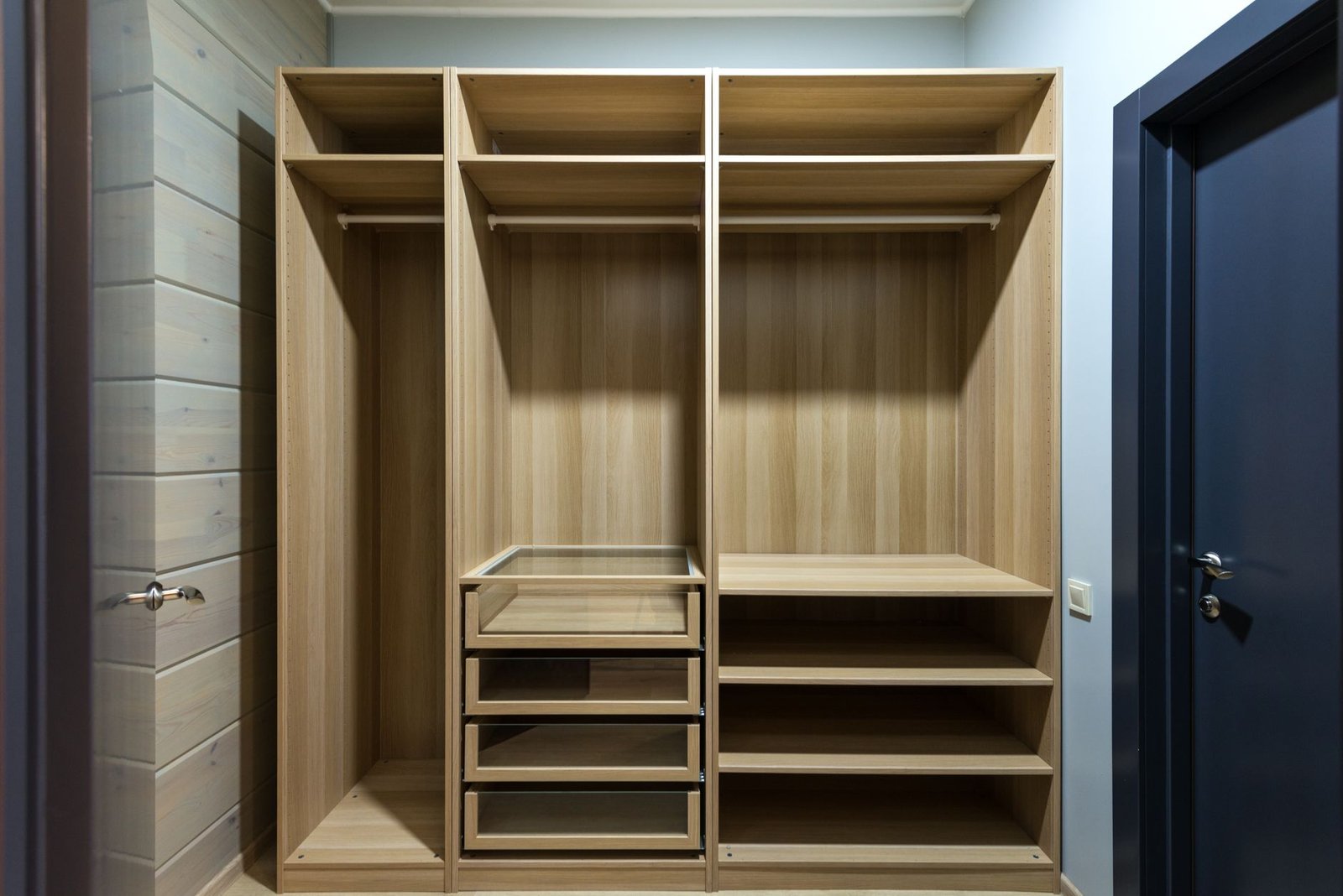
Built-in closets, often referred to as fitted wardrobes, are custom-designed and constructed directly into the wall space of a room. This method ensures that every available inch is utilized, from floor to ceiling and wall to wall, eliminating dust traps and creating a sleek, integrated look.
Space Maximization: A Tailored Approach
The primary benefit of built-in systems lies in their unparalleled ability to maximize space. By conforming precisely to the dimensions of a room, these units can accommodate sloped ceilings, awkward corners, and narrow recesses that would render freestanding furniture impractical. In 2026, advanced modular systems allow for highly customizable internal configurations, including pull-out shelves, specialized compartments for accessories, and integrated smart lighting that activates upon opening. This bespoke design ensures that the internal layout perfectly matches the resident’s storage requirements, optimizing the organization of clothing, shoes, and other personal items.
Design Flexibility and Aesthetics: Modern Integration
Built-in closets offer extensive design flexibility, allowing for seamless integration with the existing interior décor. Homeowners can select from a vast array of finishes, materials, and hardware to match or contrast with the room’s aesthetic. Current trends for 2026 favor sustainable and technologically advanced materials, such as reclaimed wood composites, bioplastics with natural textures, and smart glass panels that can change opacity. Integrated ventilation systems for clothing preservation and subtle charging stations for personal devices are becoming standard features. This option provides a clean, uncluttered appearance that enhances the overall value and modernity of a property.
Cost Implications and Installation Considerations
The initial investment for built-in closets is typically higher than for freestanding wardrobes due to custom design, manufacturing, and professional installation. Costs are influenced by the complexity of the design, chosen materials (e.g., high-quality sustainable hardwoods, advanced laminates, smart tech integrations), and labor. While the upfront expenditure is greater, built-in systems often contribute significantly to a home’s resale value and offer long-term durability. Installation requires professional contractors, involving precise measurements and often minor construction work, which can be disruptive but yields a permanent, high-quality fixture.
Freestanding Wardrobes: The Versatile Choice in 2026
Freestanding wardrobes are individual pieces of furniture that can be moved and rearranged within a room. They offer a different set of advantages, particularly for those seeking flexibility or a lower initial cost.
Space Utilization: Practicality and Adaptability
While freestanding wardrobes do not maximize space with the same precision as built-ins, modern designs for 2026 have significantly improved their space utilization. Many contemporary freestanding units feature intelligent internal layouts, including adjustable shelving, pull-out drawers, and integrated hanging rails that cater to diverse storage needs. Manufacturers are also developing more slender profiles and taller units to make better use of vertical space without overwhelming a room. However, they inherently occupy floor space and leave gaps between the unit and walls or ceiling, which can accumulate dust and reduce the sense of spaciousness.
Portability and Design Adaptability
The primary advantage of freestanding wardrobes is their portability. They can be moved between rooms, taken to a new residence, or simply repositioned to reconfigure a room’s layout. This offers unmatched flexibility for residents who frequently redecorate or for those in rental properties. Design options for freestanding units in 2026 range from minimalist Scandinavian styles featuring natural wood and metal accents to more eclectic pieces incorporating recycled materials and bold, expressive finishes. Smart features like integrated device charging and subtle interior lighting are also emerging in higher-end freestanding models, though less common than in built-ins.
Cost and Assembly: An Accessible Option
Freestanding wardrobes are generally more affordable than built-in systems, making them an accessible option for a broader range of budgets. Prices vary widely based on size, material quality (e.g., engineered wood with advanced laminates, solid sustainable timbers), and brand. Many units are available as flat-pack furniture, allowing for self-assembly, which further reduces costs. While professional assembly services are available, the overall expenditure remains lower. The ease of acquisition and potential for self-installation appeal to homeowners prioritizing immediate needs and cost efficiency.
Comparative Analysis: Making the Informed Decision
The choice between built-in closets and freestanding wardrobes depends heavily on specific homeowner priorities, budget, and property characteristics.
- Space Maximization: Built-in closets are the unequivocal winner for maximizing every available inch, offering custom solutions for challenging architectural features. Freestanding units, while improved, cannot match this level of integration.
- Design Flexibility: Both offer extensive aesthetic choices. Built-ins provide seamless, architectural integration, while freestanding units allow for movable, decorative statements.
- Cost: Freestanding wardrobes typically represent a lower initial investment and offer greater flexibility for budget-conscious residents. Built-ins require a significant upfront expenditure but offer long-term value and bespoke functionality.
- Installation/Portability: Built-ins are permanent fixtures requiring professional installation. Freestanding units are portable, easily moved or relocated, often allowing for self-assembly.
- 2026 Trends: Both categories are incorporating sustainable materials and smart technologies. Built-ins lean towards fully integrated smart home features, while freestanding units focus on modularity and aesthetic versatility with an increasing number of smart enhancements.
Conclusion: Which Option Best Suits Your Home?
For homeowners prioritizing ultimate space maximization, a seamless aesthetic, and long-term property value, especially in permanent residences, built-in closet systems remain the superior choice in 2026. Their custom-fit design addresses unique architectural challenges and offers unparalleled internal organization. Conversely, for residents valuing flexibility, immediate affordability, and the ability to reconfigure spaces or relocate, freestanding wardrobes present a highly practical and increasingly stylish solution. The optimal decision rests on a careful evaluation of the resident’s specific storage needs, budgetary constraints, and future plans for the property.