Optimizing a small pantry on a budget in 2026 hinges on strategic utilization of every available inch, smart containment solutions, and leveraging readily available, cost-effective organizational tools. The most effective approach combines thorough decluttering with a focus on vertical expansion and adaptable, sustainable storage methods that enhance accessibility without significant financial outlay.
For homeowners facing the common challenge of a compact pantry, achieving peak efficiency and aesthetic appeal doesn’t require expensive custom installations. This guide from Basisblog explores practical, budget-conscious strategies and incorporates modern material trends from 2026 to transform any modest pantry into a highly functional and harmonious storage space.
Foundation for Budget-Friendly Pantry Transformation
Before any organizational tools are introduced, a fundamental process of decluttering and inventory management is essential. This crucial first step lays the groundwork for an efficient system and prevents unnecessary purchases.
Declutter and Inventory: The Initial Sweep
- Empty the Pantry Completely: Remove all items to gain a clear perspective of the available space. This allows for a thorough cleaning and inspection of the pantry’s condition.
- Categorize and Purge: Sort items into categories such as ‘keep,’ ‘donate,’ ‘discard,’ and ‘relocate.’ Pay close attention to expiration dates, damaged packaging, and items that have not been used in the past six months. Disposing of expired goods and donating non-perishable items ensures only essentials remain.
- Detailed Inventory List: Create a physical or digital list of all remaining items. This inventory helps in planning storage zones and future grocery purchases, preventing duplicate buys and wasted space. Modern residents might utilize simple spreadsheet applications or dedicated pantry inventory apps, many of which offer free versions or trials in 2026, to track staples and consumption patterns.
Measure and Visualize: Maximizing Potential
Understanding the precise dimensions of the pantry is paramount for effective organization. The resident should measure the width, depth, and height of shelves, walls, and the inside of the pantry door.
- Vertical Space Assessment: Identify areas where vertical space is underutilized. This often includes gaps between shelves and the ceiling, or beneath existing shelves. These overlooked spaces offer significant potential for adding more storage layers.
- Drawing a Layout: A simple sketch of the pantry layout, including proposed zones for different food categories, can be incredibly helpful. Visualizing where dry goods, canned goods, snacks, and baking supplies will reside ensures a logical and accessible system.
Smart Storage Solutions for Compact Spaces
The core of budget-friendly pantry organization lies in selecting versatile and affordable storage items that maximize capacity and improve accessibility. Material science in 2026 offers increasingly sustainable and durable options at competitive prices.
Vertical Expansion with Affordable Tools
- Stackable Bins and Containers: Opt for clear, stackable containers made from recycled PET or bio-based plastics, which are becoming more prevalent and affordable. These allow for visual inventory at a glance and prevent items from getting lost. Look for options with secure, modular lids for efficient stacking.
- Shelf Risers and Expandable Shelves: Simple wire or sturdy bamboo shelf risers can double storage capacity on existing shelves. Expandable shelf units provide flexibility for varying item heights and can be adjusted as needed. These are widely available and typically cost-effective.
- Over-the-Door Organizers: The back of the pantry door is often neglected storage real estate. A hanging shoe organizer (for smaller packaged goods), a multi-tiered spice rack, or wire baskets can significantly expand storage for light, frequently accessed items like spices, foils, or smaller snacks. Materials like coated metal wire or robust, recycled fabric options are durable and inexpensive.
Optimized Containment and Accessibility
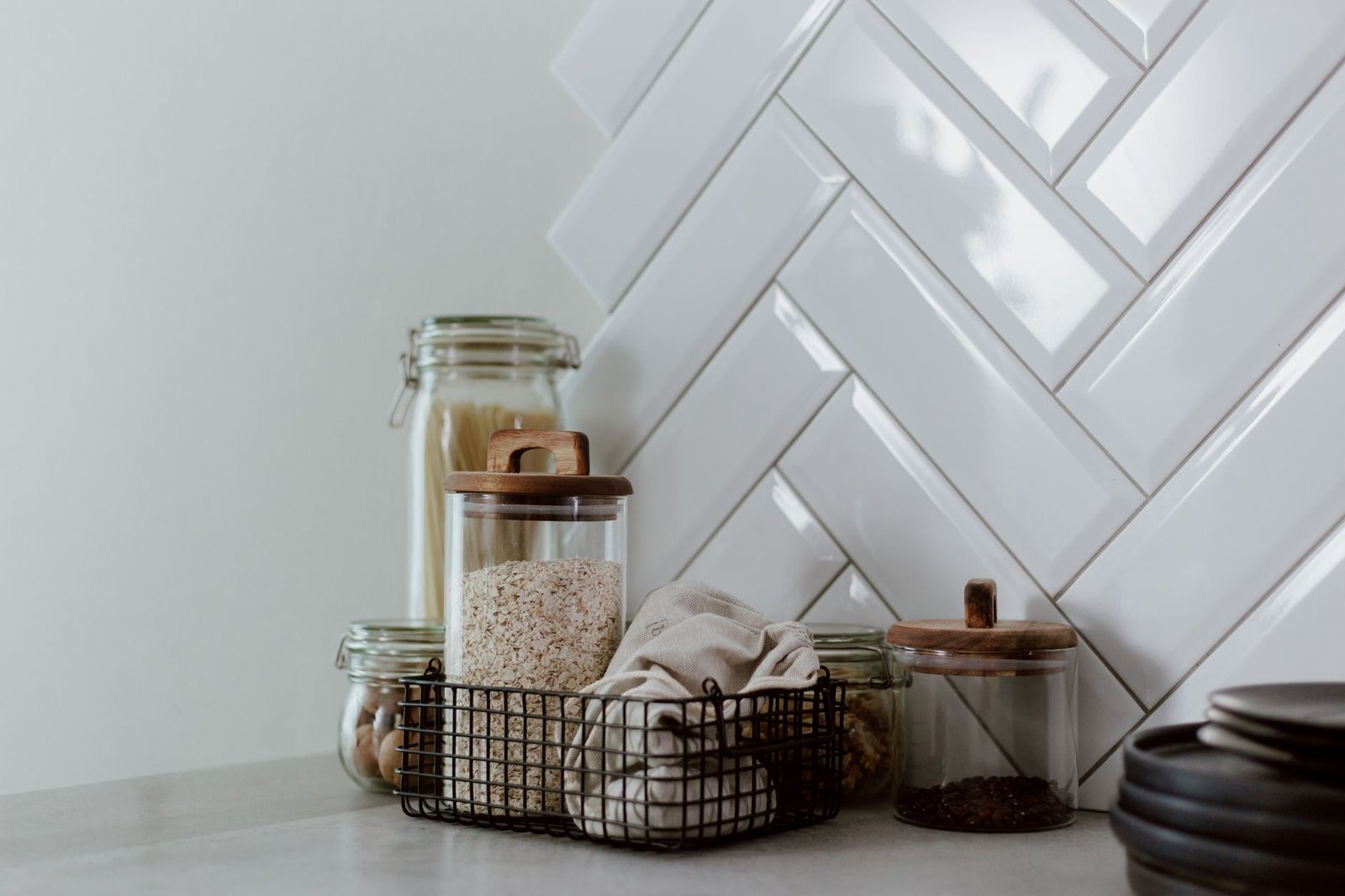
- Clear, Labelled Containers: Transferring items from bulky original packaging into clear, airtight containers not only saves space but also keeps food fresher and makes contents immediately visible. Labeling each container clearly with contents and expiration dates (often written on a small sticker on the bottom or back) is crucial for efficient management. Permanent markers, chalk labels, or affordable label makers can be utilized.
- Turntables (Lazy Susans): Especially useful for corner cabinets or deep shelves, turntables make accessing small jars, bottles, and condiments effortless. The resident can simply spin the turntable to retrieve desired items without rummaging. Recycled plastic or bamboo versions are widely available and budget-friendly.
- Magazine Holders for Dry Goods: Repurpose inexpensive magazine holders (cardboard or recycled plastic) to store items like foil, plastic wrap boxes, baking sheets, or even smaller bags of pasta vertically, preventing clutter and making retrieval simpler.
- Baskets and Bins: Woven baskets made from natural fibers like seagrass (which are increasingly sustainably sourced and affordable) or simple plastic bins keep similar items grouped together. These are ideal for snacks, root vegetables, or cleaning supplies, providing a cohesive look and containing potential messes.
Leveraging 2026 Trends for Affordability and Efficiency
The year 2026 brings an amplified focus on sustainable materials, modular designs, and smart integration even within budget constraints. Incorporating these trends can elevate pantry functionality.
Sustainable and Smart Materials
- Recycled and Bio-Based Plastics: Advances in material science mean more durable, aesthetically pleasing, and affordable organizational products are being made from recycled plastics (e.g., rPET) and plant-based bioplastics. These options offer excellent value and contribute to environmental responsibility.
- Bamboo and Natural Fibers: Bamboo continues its reign as a sustainable and cost-effective material for shelf risers, drawer dividers, and small bins. Its rapid growth and natural antimicrobial properties make it an excellent choice for food storage areas. Similarly, woven natural fibers like jute or cotton canvas provide an attractive and breathable storage solution.
- Modular Wire Systems: Affordable wire shelving and basket systems that are easily reconfigured remain a staple. Many manufacturers in 2026 are offering improved coatings for durability and sleek, minimalist designs that integrate well into various interior styles.
Digital Integration for Inventory Management
- Smartphone Apps for Inventory: While not a physical organizational tool, utilizing free or low-cost smartphone applications for pantry inventory can be a game-changer. These apps allow the resident to track what is in the pantry, monitor expiration dates, and generate shopping lists. This reduces food waste and ensures efficient space utilization by avoiding overstocking. Many modern apps feature barcode scanning for quick entry.
- QR Code Labels: For a slightly more advanced but still budget-friendly approach, residents can create and print simple QR code labels for containers. Scanning the code with a smartphone app can link to a digital note about contents, quantity, or recipe ideas, offering a dynamic way to manage supplies.
Transforming a small pantry on a budget in 2026 is an achievable endeavor that prioritizes functionality, sustainability, and intelligent space utilization. By systematically decluttering, strategically implementing affordable vertical storage solutions, and adopting modern, sustainable materials, a resident can create an organized pantry that serves the household efficiently for years to come. The emphasis remains on smart choices over expensive purchases, ensuring a streamlined and accessible storage environment that truly enhances domestic comfort.