For homeowners navigating flooring choices for high-traffic entryways in 2026, the perennial debate between ceramic tile and luxury vinyl tile (LVT) remains prominent. Both materials offer compelling advantages, making the “best” choice dependent on specific priorities regarding durability, maintenance, cost, and evolving aesthetic trends. This analysis delves into the characteristics of each, offering a comprehensive comparison to guide informed decisions for robust and stylish entry zones that withstand the rigors of daily life.
Ceramic Tile: Enduring Resilience and Style
Ceramic tile, particularly porcelain, has long been a benchmark for durability in demanding environments. Its inherent properties make it exceptionally suited for entryways where dirt, moisture, and heavy foot traffic are common.
Durability and Longevity in 2026
The core strength of ceramic tile lies in its unmatched hardness and resistance to scratches, chips, and abrasion. Porcelain variants, known for their low porosity, offer superior water resistance, making them impermeable to spills, melted snow, and tracked-in mud. For 2026, advancements in glazes include nano-coatings and enhanced wear layers that provide even greater surface protection against micro-scratches and chemical stains, further extending the material’s lifespan. This makes ceramic an ideal choice for households with active lifestyles, children, or pets, where resilience against constant impact and abrasive grit is paramount.
Maintenance Considerations
Maintaining ceramic tile is relatively straightforward. Regular sweeping or vacuuming, followed by damp mopping with a suitable cleaner, keeps the surface pristine. Historically, grout lines have been a concern for maintenance; however, 2026 trends see widespread adoption of stain-resistant, epoxy-based grouts that significantly reduce maintenance effort and prevent discoloration. Furthermore, the prevalence of larger format tiles minimizes the overall percentage of grout in an installation, streamlining cleaning routines.
Aesthetic Trends for Ceramic Tile in 2026
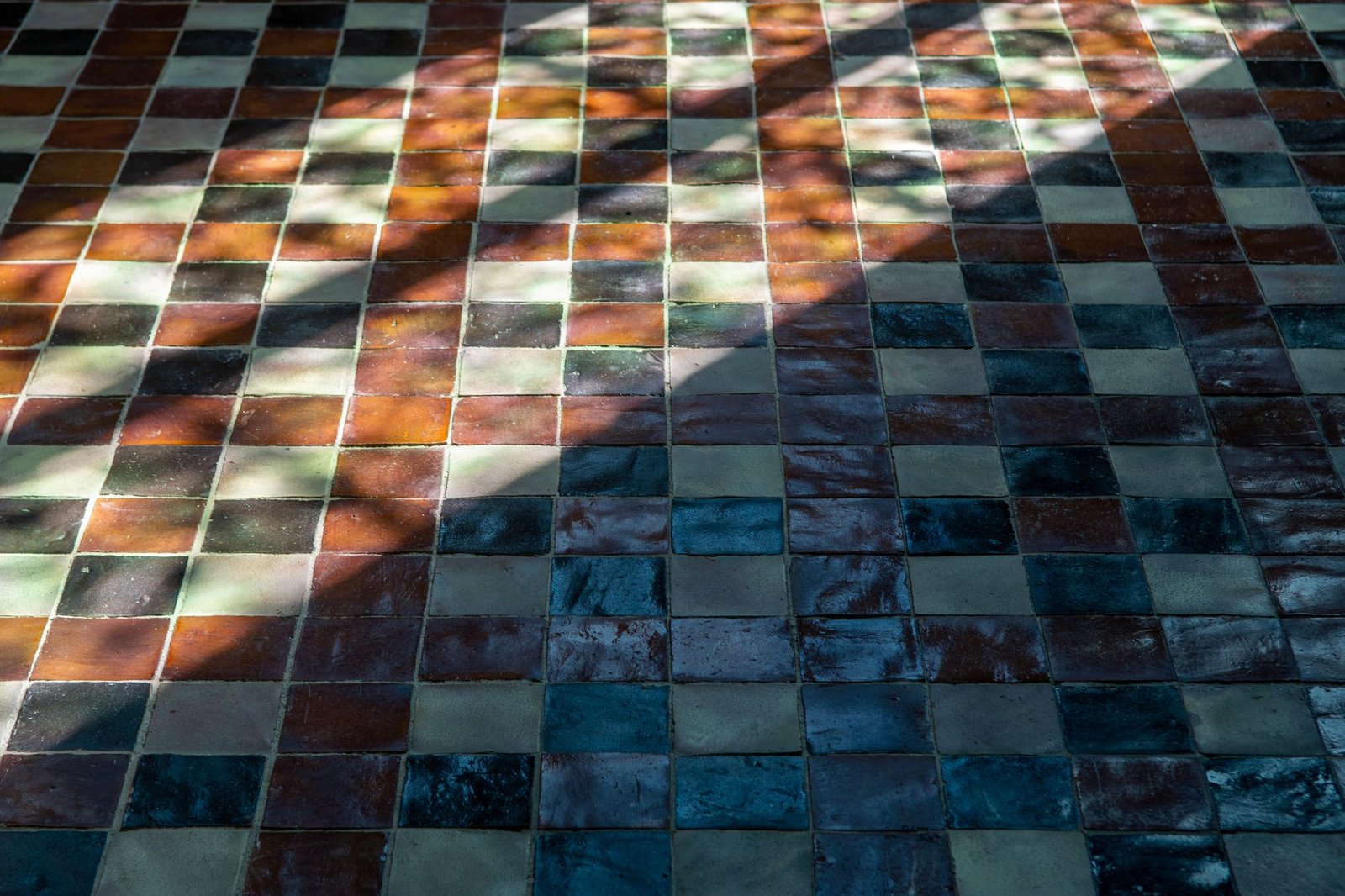
The aesthetic appeal of ceramic tile in 2026 is marked by sophistication and natural authenticity. Current trends favor large and grand format tiles (e.g., 48×48 inches, 24×72 inches planks), which create expansive, seamless visuals and further reduce grout lines. Hyper-realistic replications of natural stone – including marble, travertine, and slate with intricate veining and authentic textures – continue to dominate, offering the luxury look without the maintenance demands of natural materials. Wood-look ceramic tiles have also evolved, featuring deeply embossed-in-register textures that are virtually indistinguishable from real timber. Matte and honed finishes are increasingly preferred over high gloss for a more understated elegance and improved slip resistance. Biophilic patterns and artisanal, handcrafted-look tiles are also gaining traction, adding unique character and a connection to nature in modern entryways.
Cost Implications of Ceramic Tile
Ceramic tile typically represents a higher initial material and professional installation cost compared to LVT. The installation process is more labor-intensive, requiring specialized tools and expertise. However, its exceptional longevity and minimal need for replacement often translate to a lower lifecycle cost, positioning it as a long-term investment in the home’s infrastructure.
Luxury Vinyl Tile (LVT): Modern Versatility and Performance
Luxury Vinyl Tile (LVT) has rapidly ascended as a premier flooring solution, particularly for high-traffic areas, thanks to continuous innovation in its construction and aesthetic capabilities.
Durability and Performance in 2026
LVT is engineered for resilience through its multi-layer construction, featuring a robust wear layer that provides excellent resistance to scuffs, scratches, and dents. For 2026, many premium LVT products incorporate enhanced wear layers, often infused with ceramic beads or treated with UV-cured urethane, offering superior protection. A key innovation in modern LVT is the rigid core construction (e.g., Stone Plastic Composite – SPC or Wood Plastic Composite – WPC), which offers superior dimensional stability and impact resistance. This makes it highly resistant to expansion and contraction, crucial in entryways where temperature fluctuations can occur. LVT is also inherently 100% waterproof, making it impervious to moisture and an excellent choice for areas prone to spills or water tracking. Furthermore, LVT provides a softer and warmer feel underfoot compared to ceramic, offering subtle acoustic benefits that can help dampen sound in busy entryways.
Maintenance Considerations
One of LVT’s most compelling advantages is its exceptionally low maintenance requirement. The non-porous surface, often sealed with a protective layer, resists stains and spills effectively. Regular sweeping or vacuuming, coupled with occasional damp mopping using a mild cleaner, is generally sufficient to keep LVT looking new. The absence of traditional grout lines further simplifies cleaning routines, eliminating the need for sealing or specialized grout cleaning.
Aesthetic Trends for LVT in 2026
LVT’s aesthetic capabilities in 2026 are truly remarkable, propelled by advances in high-definition printing and textural embossing. The material offers ultra-realistic replications of a vast array of natural materials, including diverse wood species (e.g., European oak, reclaimed barn wood, exotic timbers) with authentic grain patterns and deep, embossed-in-register textures. High-definition stone looks, mimicking granite, concrete, and terrazzo, provide modern, sophisticated aesthetics. Wider and longer plank formats, mirroring those found in high-end wood and ceramic, are popular, creating expansive and contemporary visual flows. Integrated acoustic backings are becoming standard in premium LVT, enhancing comfort and sound absorption. Custom cut patterns and intricate geometric designs are also readily achievable, offering design flexibility to homeowners.
Cost Implications of LVT
LVT generally boasts a lower material and installation cost compared to ceramic tile, making it an attractive option for budget-conscious homeowners. Many rigid core LVT products feature user-friendly click-lock installation systems, which can further reduce expenses if the resident opts for a DIY approach, though professional installation is always recommended for optimal results and warranty preservation.
Direct Comparison: Durability, Maintenance, Cost, and Aesthetics
Understanding the nuanced differences between ceramic tile and LVT is key to making an informed decision for an entryway in 2026.
- Durability: Ceramic tile holds an edge in sheer hardness and resistance to very heavy impacts or abrasive grit over several decades. Its unyielding surface is less prone to deep scratches from sharp objects. LVT, particularly rigid core varieties, offers excellent resistance to daily scuffs, minor impacts, and provides a more forgiving surface for dropped items. Both materials are highly water-resistant, making them suitable for moisture-prone entryways.
- Maintenance: Both materials are lauded for their low maintenance. LVT often has a slight perceived edge due to the absence of traditional grout lines, simplifying cleaning. However, modern stain-resistant ceramic grouts have significantly narrowed this gap, making ceramic tile nearly as effortless to clean as LVT.
- Cost: LVT typically offers a more accessible entry point in terms of initial material and installation costs. Ceramic tile represents a higher upfront investment, but its potentially longer lifespan and classification as a permanent architectural feature can offer superior long-term value, depending on the homeowner’s perspective and property plans.
- Aesthetics: Both materials provide an incredible range of design options. Ceramic tile excels in delivering the genuine feel and robust elegance of natural stone or wood, with a unique coolness underfoot. LVT, leveraging cutting-edge printing and embossing technologies, offers incredibly convincing replicas with the added benefits of underfoot comfort and warmth. The distinction in hyper-realism between high-quality ceramic and LVT is increasingly negligible with 2026 advancements in both fields.
- Installation: Ceramic tile installation requires specialized skills, tools, and a prepared subfloor, typically necessitating professional services. LVT, especially click-lock rigid core systems, can be more suitable for experienced DIYers, although professional installation ensures precision and longevity.
Making the Optimal Choice for 2026
The ultimate decision between ceramic tile and LVT for an entryway in 2026 hinges on a careful consideration of individual priorities and lifestyle factors. The homeowner must weigh several aspects:
- Budgetary Constraints: If initial cost is a primary concern, LVT often presents a more economical solution without significant compromise on durability or aesthetics.
- Lifestyle and Traffic Volume: For entryways experiencing extremely high, abrasive traffic (e.g., direct access from outdoors with heavy equipment, very large families, or multiple large pets), ceramic’s superior hardness might be preferred for ultimate longevity. For most residential high-traffic scenarios, LVT offers more than adequate durability.
- Desired Aesthetic and Comfort: Both offer stunning visuals. If the desire is for the authentic, cool feel of stone or the unyielding nature of real wood embodied in ceramic, then ceramic is the choice. If warmth, quietness underfoot, and convincing replication with easier installation are paramount, LVT is highly suitable.
- Long-Term Value and Sustainability: Ceramic, with its potential for decades of use, often contributes to the long-term architectural value of a home. Both industries are making strides in sustainability, with manufacturers offering options made from recycled content and eco-friendly production processes, aligning with growing consumer demand in 2026 for responsible material choices.
In conclusion, both ceramic tile and LVT stand as excellent, high-performance flooring options for high-traffic entryways in 2026. Ceramic offers unparalleled hardness and traditional elegance, while LVT delivers versatile durability, comfort, and cutting-edge replicative aesthetics at a generally more accessible price point. The optimal selection ultimately aligns with the specific functional demands, design vision, and budgetary framework of the resident.