
The challenge of a cluttered mudroom often leads to daily friction within a home. A disheveled entry point, prone to accumulating outdoor gear, shoes, and miscellaneous items, can significantly impact a residence’s overall sense of order and calm. This article addresses the common issue of mudroom overwhelm by presenting five functional organization ideas specifically tailored for the year 2026, offering solutions to transform this high-traffic area into an efficient, aesthetically pleasing, and highly organized space for any homeowner.
The Evolving Mudroom: A 2026 Perspective
As homes adapt to modern living, the mudroom’s role extends beyond a mere drop-zone. In 2026, it serves as a critical transition point, requiring thoughtful design to manage daily influxes of items while reflecting the home’s overall aesthetic. Current trends emphasize modularity, sustainability, and technological integration to create spaces that are both hardworking and beautiful.
1. Vertical Storage Mastery: Maximizing Every Inch
Effective mudroom organization hinges on leveraging vertical space. In 2026, bespoke and modular systems are paramount. Tall lockers, extending to the ceiling, offer dedicated storage for outerwear, sports equipment, and backpacks, keeping these items out of sight and off the floor. Integrated bench seating with lift-top storage or pull-out drawers provides discreet storage for shoes, scarves, and smaller accessories.
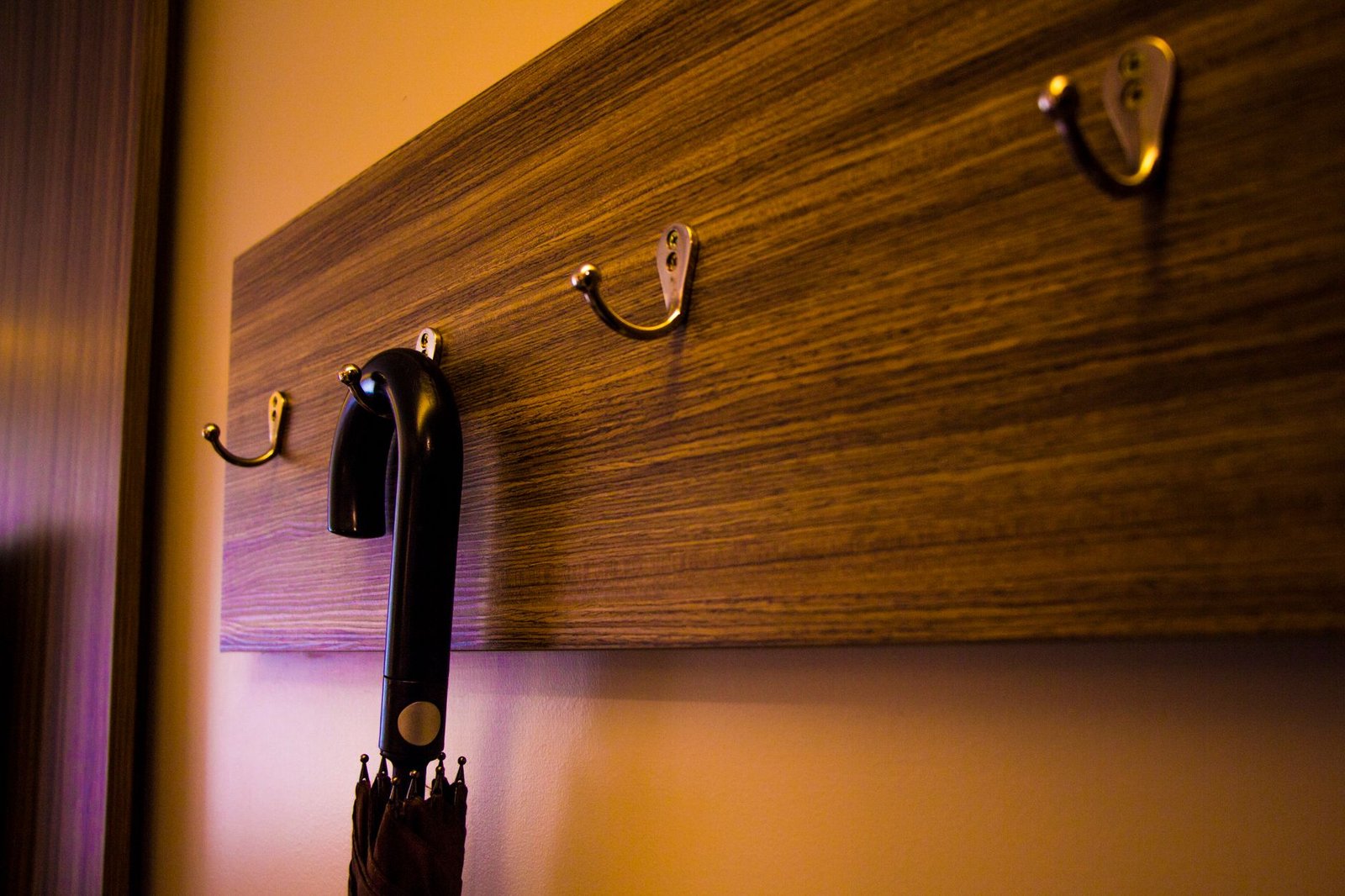
- Smart Hooks and Racks: Beyond basic hooks, homeowners are opting for multi-tiered systems, often featuring adjustable elements made from recycled aluminum or sustainably sourced timber, allowing for adaptation to different item sizes and seasonal needs.
- Open vs. Closed Storage: A balanced approach is key. Closed cabinetry, sometimes with translucent or fluted glass doors, conceals clutter, while open shelving, crafted from durable engineered wood or sleek powder-coated steel, offers easy access for frequently used items like keys or sunglasses.
2. Zonal Design: Streamlining Daily Routines
Creating distinct zones within the mudroom enhances its functionality and prevents cross-contamination of items. This strategy is particularly relevant in 2026, where efficiency and hygiene are increasingly prioritized.
- Footwear Foundry: Dedicated shoe storage is essential. Slanted shelves, cubbies, or pull-out wire baskets – often made from antimicrobial plastics or marine-grade plywood – keep footwear organized and air-circulated. A designated “dirty shoe” section, perhaps with a removable, easy-to-clean tray, addresses outdoor grime effectively.
- Outerwear Arsenal: Individual cubbies or locker sections for each resident, complete with integrated coat hooks and overhead shelving, ensure that jackets, hats, and gloves have their own designated home. Consider slim-profile hangers that maximize rod space.
- Bag and Accessory Bay: Hooks at varying heights for school bags, briefcases, and gym bags, alongside smaller compartments for keys, wallets, and mail, prevent surface clutter. Smart organizational inserts, often 3D-printed from sustainable polymers, fit seamlessly into drawers or cubbies.
3. Seamless Technology Integration and Smart Features
The mudroom of 2026 is no stranger to smart home technology, enhancing convenience and efficiency without sacrificing aesthetics.
- Integrated Charging Stations: Wireless charging pads embedded into countertops or shelves, alongside discreet USB-C ports, cater to the ubiquitous presence of electronic devices. These are often designed to be almost invisible, maintaining a clean look.
- Sensor-Activated Lighting: Motion-sensing LED lighting within lockers or cubbies illuminates storage upon opening, providing practical assistance and adding a touch of modern luxury. Energy-efficient options are standard.
- Digital Message Boards: Small, sleek digital displays, seamlessly integrated into cabinetry or walls, can serve as family communication hubs for reminders, schedules, or quick notes, replacing traditional paper clutter.
4. Durable and Sustainable Material Choices for 2026
The choice of materials in a mudroom is critical for longevity, ease of maintenance, and aesthetic appeal. Contemporary design emphasizes sustainability and high performance.
- Resilient Flooring: Options like luxury vinyl plank (LVP) with enhanced wear layers, porcelain tile, or polished concrete offer excellent durability and are easy to clean, resisting mud, water, and scuffs. Many LVP options in 2026 incorporate recycled content.
- Performance Surfaces: Countertops and bench surfaces often feature quartz composites, ultra-compact surfaces (e.g., sintered stone), or even recycled glass composites, all known for their non-porous, stain-resistant, and robust properties. Antimicrobial coatings are increasingly common.
- Eco-Conscious Cabinetry: Sustainable wood alternatives, such as bamboo plywood or cabinetry crafted from reclaimed timber, are popular. Low-VOC (Volatile Organic Compound) finishes are standard, contributing to healthier indoor air quality.
- Washable Walls: For walls, durable, scrubbable paints or wainscoting made from water-resistant materials like PVC or composite panels offer protection against scuffs and moisture, simplifying cleanup.
5. Implementing a Seasonal Rotation and Decluttering Protocol
Even the most organized mudroom can succumb to clutter without a regular maintenance strategy. Establishing a protocol for seasonal rotation and decluttering is vital.
- Seasonal Swaps: Designate specific storage for out-of-season items (e.g., heavy winter coats or summer beach gear). Storage bins, clearly labeled and tucked away in an overhead cabinet or deeper locker, facilitate easy swapping when seasons change.
- Regular Review: Schedule a quarterly or bi-annual review of mudroom contents. This allows the homeowner to identify items that are no longer needed, outgrown, or unused, prompting donation, disposal, or relocation to more appropriate storage elsewhere in the home.
- “Landing Strip” Discipline: Encourage the practice of immediately putting items away in their designated spots upon entry. This simple habit, consistently applied by all residents, is the cornerstone of a perpetually tidy mudroom.
The Mudroom Transformed: A Hub of Efficiency and Calm
A well-organized mudroom contributes significantly to a home’s overall functionality and serenity. By implementing these five functional organization ideas for 2026, leveraging modern materials, and embracing smart technology, any homeowner can transform a chaotic entry point into an efficient, welcoming, and aesthetically pleasing space. The strategic application of vertical storage, zonal design, thoughtful material selection, and consistent maintenance will ensure this vital area remains a source of domestic comfort and order.