For rental properties in 2026, selecting the optimal kitchen countertop material necessitates a strategic balance of extreme durability, minimal maintenance requirements, and cost-effectiveness. While engineered quartz maintains its strong position as a leading contender due to its resilience and aesthetic versatility, advanced laminate options and specific natural granite varieties offer compelling value, with evolving material science presenting new considerations for property owners. The overarching goal for landlords is to minimize turnover costs, maximize the longevity of fixtures, and enhance resident satisfaction through wise material choices.
Understanding Rental Property Countertop Needs
The Landlord’s Core Criteria
The unique demands of rental properties dictate a specific set of criteria for kitchen countertops that differs from owner-occupied homes. Prioritizing these factors ensures a long-term, profitable investment.
- Durability: Countertops must withstand varied use patterns, resisting scratches, stains, heat, and impact from numerous residents over time. Materials prone to chipping or irreparable damage are poor choices.
- Maintenance: Ease of cleaning is paramount. Materials that require special sealing, specific cleaners, or complex care routines are less suitable, as residents may not adhere to these guidelines, leading to premature wear or damage.
- Cost-Effectiveness: This involves not just the initial purchase and installation cost but also the long-term expense of repairs, replacements, and the impact on property value and rental income. A higher upfront cost might be justified by a significantly longer lifespan and reduced maintenance calls.
- Aesthetics: While durability is key, the countertop’s appearance significantly contributes to a property’s appeal. Modern, appealing finishes that are relatively neutral will attract a broader range of potential residents and help command competitive rental rates.
Top Contender Materials for 2026
An examination of the leading countertop materials reveals distinct advantages and disadvantages when considered through the lens of rental property ownership in the current year.
Advanced Laminates: The Smart Evolution
Often underestimated, modern laminates have undergone significant advancements. In 2026, these materials are far removed from their brittle predecessors.
- Durability: Today’s high-pressure decorative laminates (HPDL) feature enhanced resistance to scratches, impact, and moisture. Specialized edge banding techniques, such as seamless profiles, minimize vulnerability points. Current developments include proprietary topcoats designed for superior abrasion and chemical resistance.
- Cost-Effectiveness: Laminate remains the most budget-friendly option for initial installation, offering substantial savings that can be strategically reinvested in other property upgrades. Its affordability makes it ideal for properties requiring frequent turnover or those targeting entry-level price points.
- Ease of Maintenance: The non-porous surface requires only simple wiping with mild soap and water. No special sealing or harsh chemicals are needed, aligning perfectly with low-maintenance rental expectations. Many 2026 laminates integrate anti-microbial properties directly into the surface.
- 2026 Relevance: The aesthetic versatility of modern laminates is remarkable, with highly realistic finishes mimicking natural stone, wood, and concrete. This combination of improved performance and diverse styling makes them an increasingly attractive choice for mid-tier rental properties seeking both value and updated appearance.
Engineered Quartz: The Premium Performer
Engineered quartz continues to dominate the premium segment for good reason, offering a compelling blend of beauty and brawn.
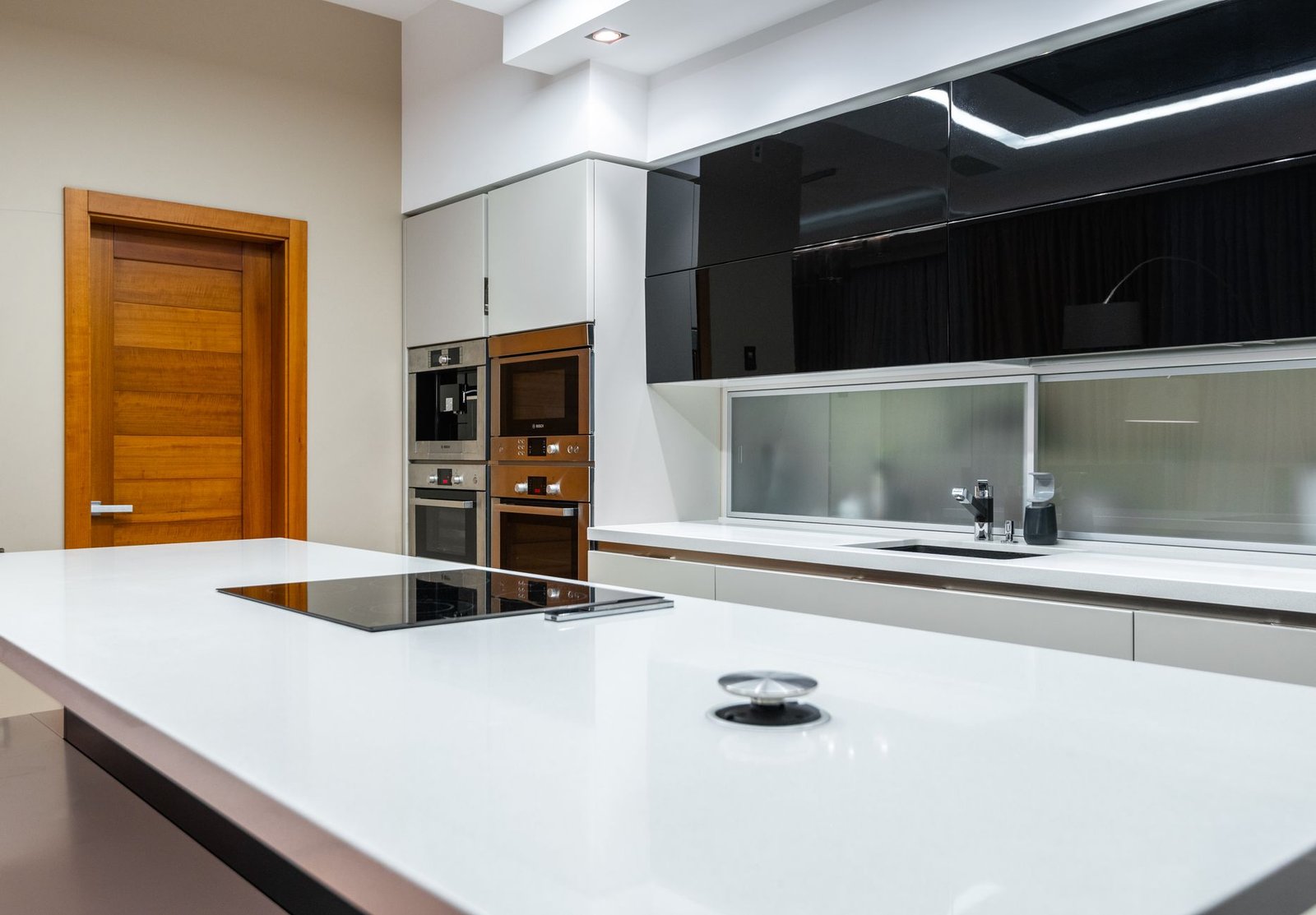
- Durability: Composed of ground quartz minerals combined with resins, engineered quartz is exceptionally non-porous and highly resistant to stains, scratches, and chips. It stands up remarkably well to the demands of a rental environment.
- Cost-Effectiveness: While the initial investment for quartz is higher than laminate, its superior longevity, robust performance, and premium aesthetic can justify higher rental rates and reduce vacancy periods, offering excellent long-term value.
- Ease of Maintenance: The non-porous nature of quartz means it never requires sealing. Cleaning is straightforward with standard household cleaners, and its surface naturally resists bacterial growth, contributing to a hygienic kitchen environment.
- 2026 Relevance: Quartz remains a top-tier choice. Manufacturers are introducing even more hyper-realistic natural stone patterns, thinner profiles for contemporary designs, and integrated smart features like discreet wireless charging pads becoming increasingly common. Its consistent appearance and robust nature make it an ideal choice for upscale or long-term rental investments.
Natural Granite: Enduring Appeal with Caveats
Granite offers unique natural beauty and remains a popular option, but its suitability for rental properties requires careful consideration.
- Durability: Granite is an extremely hard and heat-resistant natural stone, making it resistant to scratches. However, its porosity varies significantly by stone type and color. Some varieties are more susceptible to staining than others.
- Cost-Effectiveness: Granite falls into the mid-to-high price range, potentially more affordable than some premium quartz options depending on the slab. Its longevity is excellent when properly maintained.
- Ease of Maintenance: This is the primary consideration for rental units. Granite requires periodic sealing (typically annually) to maintain its stain resistance. Relying on residents to consistently perform this task is often impractical. Prompt cleanup of spills is crucial to prevent staining.
- 2026 Relevance: While still desired for its natural aesthetic, property owners should prioritize denser, less porous granite varieties (often darker colors or specific geological types) for rental applications. Including clear sealing instructions within resident guidelines or budgeting for annual professional sealing as part of property maintenance is advisable to protect the investment.
Solid Surface Materials: Practical Versatility
Materials like Corian or similar acrylic-based composites offer a unique set of benefits, particularly for ease of repair.
- Durability: Solid surface materials are non-porous, offering excellent stain resistance and hygienic properties. They resist impact well, and unlike stone, scratches and minor damage can often be buffed out or repaired seamlessly, significantly extending their lifespan. Integrated sinks are a major advantage, eliminating seams where dirt and moisture can accumulate.
- Cost-Effectiveness: Positioned in the mid-range, comparable to mid-tier granite or some quartz options. The ability to repair rather than replace offers exceptional long-term value.
- Ease of Maintenance: Very low maintenance, requiring only simple cleaning with mild abrasives or common household cleaners. Its non-porous nature makes it highly hygienic.
- 2026 Relevance: Gaining traction for its clean, seamless aesthetics, excellent hygienic properties, and customizability. New formulations are offering enhanced heat resistance and improved scratch performance, making them a practical and aesthetically pleasing choice for modern rental designs.
Emerging Trends and Smart Investments for 2026
Beyond the established options, several trends and material developments are influencing countertop selections for rental properties in the current landscape.
The Rise of Ultra-Compact Surfaces (UCS)
Materials such as Dekton and Neolith represent the pinnacle of engineered surface technology. They are exceptionally resistant to heat, scratches, UV light, and stains, making them virtually indestructible in a kitchen setting. However, their significantly higher cost and specialized installation requirements typically limit their use to luxury rental properties where the premium investment can be justified by extremely high rent potential and minimal maintenance worries.
Sustainability and Health Focus
An increasing emphasis on sustainable and healthy living spaces is influencing material choices. Countertops made with recycled content, low volatile organic compound (VOC) emissions, and certified eco-friendly manufacturing processes are becoming more attractive. This trend is crucial for appealing to a growing segment of eco-conscious residents.
Integrated Technology
While still a niche market, integrated countertop technology is becoming more sophisticated and, in some cases, more affordable. Features like discreet wireless charging pads embedded directly into the surface or invisible heating elements are adding a premium, future-forward touch to high-end rental units, offering a significant differentiator.
Making the Optimal Choice for Rental Properties
Matching Material to Property Tier
The best countertop material is ultimately one that aligns with the overall quality and target demographic of the rental property.
- Budget-Friendly Properties: Advanced laminates or entry-level solid surface materials offer excellent value, durability, and aesthetics without overcapitalizing.
- Mid-Range Properties: Mid-tier engineered quartz, denser varieties of natural granite, or quality solid surface materials provide an ideal balance of durability, appeal, and long-term cost-effectiveness.
- Luxury/High-End Properties: Premium engineered quartz, ultra-compact surfaces, or high-grade, meticulously sealed granite will meet the expectations for aesthetic superiority and exceptional performance.
Longevity versus Initial Cost
Property owners should evaluate the total cost of ownership rather than focusing solely on the initial price. A higher initial investment in a highly durable, low-maintenance material like engineered quartz often results in superior returns over the lifespan of the property by reducing repair frequency, minimizing resident complaints, and enhancing the property’s overall market value.
Resident Appeal and Maintenance Expectations
Consideration of the target resident demographic is vital. A material that is aesthetically pleasing, easy to care for, and does not require complex maintenance routines will significantly improve resident satisfaction and reduce the likelihood of accidental damage, thereby preserving the property’s value and minimizing landlord intervention.