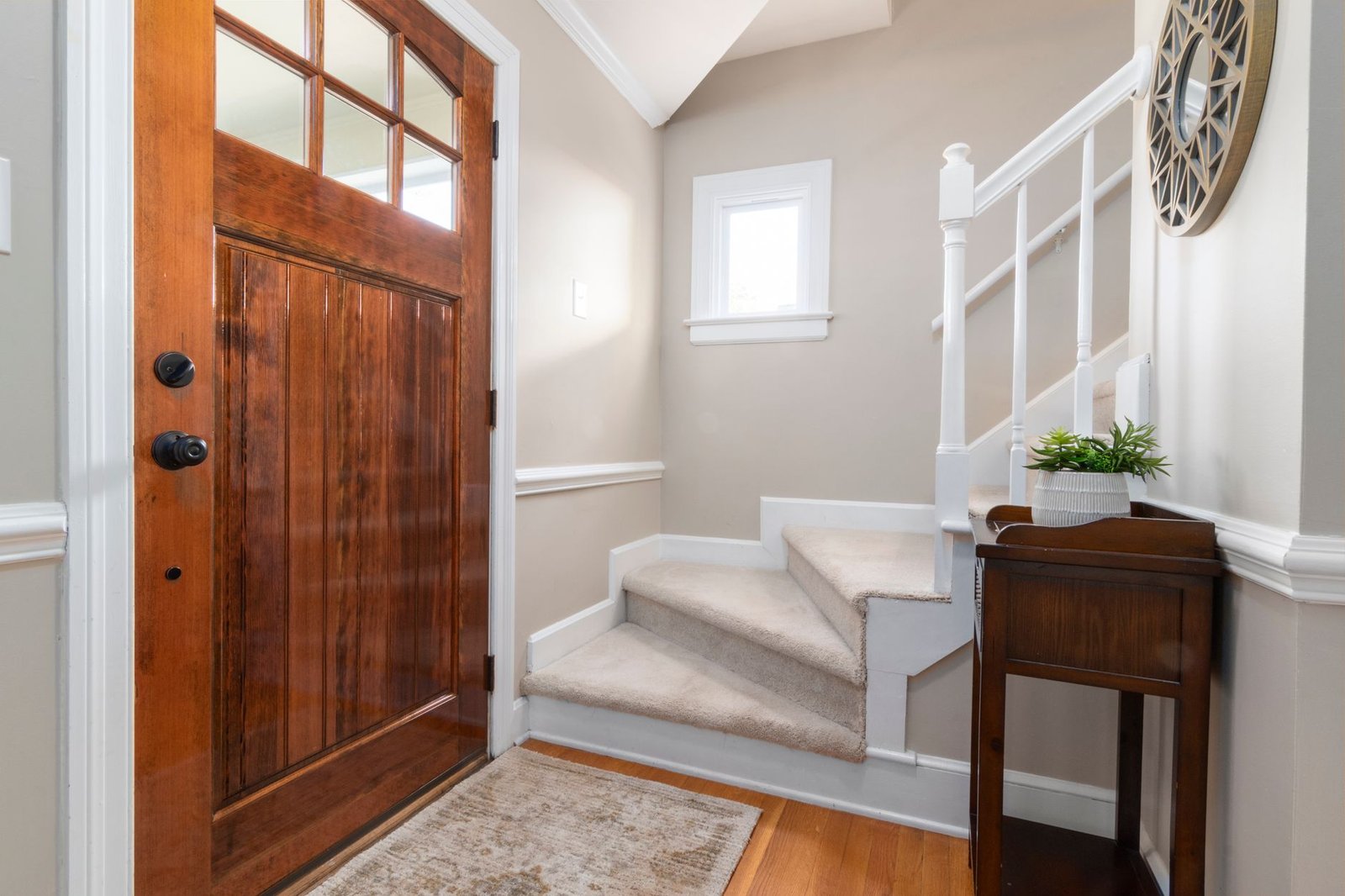
Small entryways often present a design challenge, frequently feeling cramped or unwelcoming upon arrival. However, even the most modest of these spaces can be transformed into a sophisticated and functional welcome zone. This guide explores seven clever design tricks, incorporating 2026 trends and modern material developments, to ensure a grand first impression, regardless of an entryway’s size.
Maximizing Light and Illusion
1. Strategic Mirror Placement: Expanding Visual Horizons
Mirrors are a timeless design tool, yet their application in 2026 entryways leans into advanced integration and framing. For a small space, a well-placed mirror is perhaps the most effective illusionist. Positioning a large mirror on a wall perpendicular to the entrance, or even a full-length mirror, instantly doubles the perceived depth of the area. Beyond simple reflections, consider frameless designs that blend seamlessly with wall finishes, or mirrors with subtle integrated backlighting, a popular feature in contemporary design that adds an ethereal glow without additional fixtures. The material surrounding the mirror can also enhance its effect; think minimalist metal frames in matte black or brushed brass, or sustainable wood composites with natural textures for a biophilic touch, reflecting a key trend for the current year.
2. Illuminating with Clever Lighting: Setting the Mood
Lighting in an entryway is paramount for both function and ambiance. In 2026, smart lighting systems are standard, allowing residents to program scenes for different times of day or automatically activate upon entry. For small spaces, the focus should be on layered lighting. Recessed LED downlights provide general illumination without infringing on headroom. Wall-mounted sconces, particularly those with an upward and downward light distribution, create a sense of height and sophistication. Consider fixtures crafted from recycled glass or innovative bioluminescent materials, reflecting ecological priorities. For added drama and functionality, a statement pendant light, scaled appropriately to the space, can draw the eye upward, while a slender table lamp on a console adds a warm, inviting glow. Tunable white lighting, allowing adjustment from cool, crisp task light to warm, inviting ambient light, is also a highly valued feature.
Intelligent Furnishings and Organization
3. Space-Saving Furniture Solutions: Functionality Meets Form
The key to furnishing a small entryway in 2026 is selecting pieces that offer multiple functions or a minimal footprint. Instead of bulky consoles, opt for a slim floating shelf or a wall-mounted drop-leaf table that can be folded away when not in use. Bench seating with integrated storage is an invaluable asset, providing a place to sit while putting on shoes and neatly stowing away items like bags, keys, or even pet supplies. For materials, consider lightweight yet durable options such as carbon fiber composites, or sustainably sourced bamboo and reclaimed wood, often treated with low-VOC finishes. Slim profile coat racks with concealed hooks maintain a clean aesthetic, while modular storage units can be configured to fit specific spatial constraints, a hallmark of modern adaptable living.
4. Vertical Storage and Organization: Leveraging Every Inch
When horizontal space is limited, the only way to go is up. Vertical storage solutions are crucial for maintaining an uncluttered and welcoming entryway. Wall-mounted organizers, perhaps crafted from sleek, recycled plastic or perforated metal, can hold keys, mail, and small accessories. Tall, narrow shelving units, securely anchored, can display decorative items or house baskets for gloves and scarves. Integrated charging stations, seamlessly built into a slender wall cabinet, address the ubiquitous need for device power without adding visual clutter. Consider transparent or semi-transparent storage solutions for a lighter feel, a trend popular in minimalist design circles aiming to create visual flow. Hooks for coats and bags should be thoughtfully placed, possibly behind a door or within a discreet wall panel, to prevent the space from feeling overwhelmed.
Aesthetic Enhancement and Material Innovation
5. Smart Material Choices and Durability for 2026
The selection of materials in an entryway impacts both its aesthetic and long-term durability, especially in a high-traffic area. In 2026, there is a strong emphasis on smart, sustainable, and resilient materials. For flooring, options like engineered wood with enhanced scratch resistance, large-format porcelain tiles mimicking natural stone (but with superior durability), or even polished concrete with radiant heating are popular. Walls benefit from durable, washable paints, perhaps with a subtle texture or a low-sheen finish that reflects light. Innovative wall coverings made from recycled textiles or biocomposites offer both visual interest and sound absorption, contributing to a calmer environment. Hardware and fixtures are trending towards antimicrobial finishes, recognizing the increased focus on hygiene. Look for finishes in brushed nickel, matte black, or warm bronze tones, which remain perennial favorites for their understated elegance.
6. The Power of Color and Texture: Crafting an Ambiance
Color and texture are powerful tools for transforming a small entryway into a visually appealing space. Lighter color palettes, such as soft whites, muted greens, or light blues, inherently make a space feel larger and airier. These shades also serve as an excellent backdrop for natural light. However, an accent wall in a deeper, richer hue or a sophisticated wallpaper with a subtle, tactile pattern can add depth and personality without overwhelming the space. Consider wallpapers featuring botanical motifs or abstract geometric patterns, popular in 2026 for their biophilic and modern appeal. Introducing texture through a natural fiber rug (e.g., jute, sisal, or recycled PET), a wooden console, or a woven basket adds warmth and visual interest. The interplay of smooth and rough, matte and polished surfaces creates a dynamic yet inviting atmosphere.
7. Personalized Greenery and Art: The Finishing Touches
To truly make an entryway welcoming, it must reflect the resident’s personality and offer a sense of arrival. Even small spaces can accommodate carefully chosen greenery. A slender, tall snake plant (Sansevieria) or a delicate air plant arrangement in a wall-mounted planter adds a touch of biophilic design, enhancing well-being and air quality – a significant focus in 2026 home design. For art, a single, impactful piece or a thoughtfully curated gallery wall can provide a focal point. Choose artwork that complements the color scheme and reflects the resident’s aesthetic. Floating shelves can display a cherished object or a small sculpture. The goal is to avoid clutter and instead, opt for a few meaningful items that convey warmth and individuality, making the entry point truly unique and inviting.
Conclusion: A Grand Welcome, Regardless of Size
Transforming a small entryway from unwelcoming to truly grand is an achievable design goal. By strategically employing elements such as reflective surfaces, intelligent lighting, multi-functional furniture, and smart vertical storage, along with thoughtful material and color choices, residents can create a powerful first impression. Incorporating personalized touches like greenery and art further elevates the space, making it not just functional, but also a beautiful and inviting prelude to the home. The design principles of 2026 emphasize sustainability, technological integration, and a focus on well-being, ensuring that even the smallest entryways can embody modern elegance and domestic comfort.