For homeowners grappling with the persistent challenge of maintaining a lush, green lawn in areas perpetually kissed by shade, identifying the optimal grass seed is paramount. In 2026, the best grass seed for shady lawns generally comprises advanced blends of Fine Fescues, such as Creeping Red Fescue, Chewings Fescue, and Hard Fescue, often combined with specific, newly developed shade-tolerant perennial ryegrass cultivars. These modern formulations are engineered for superior performance under low light conditions, offering enhanced disease resistance and improved aesthetic appeal even in challenging environments.
Understanding the Shady Lawn Conundrum
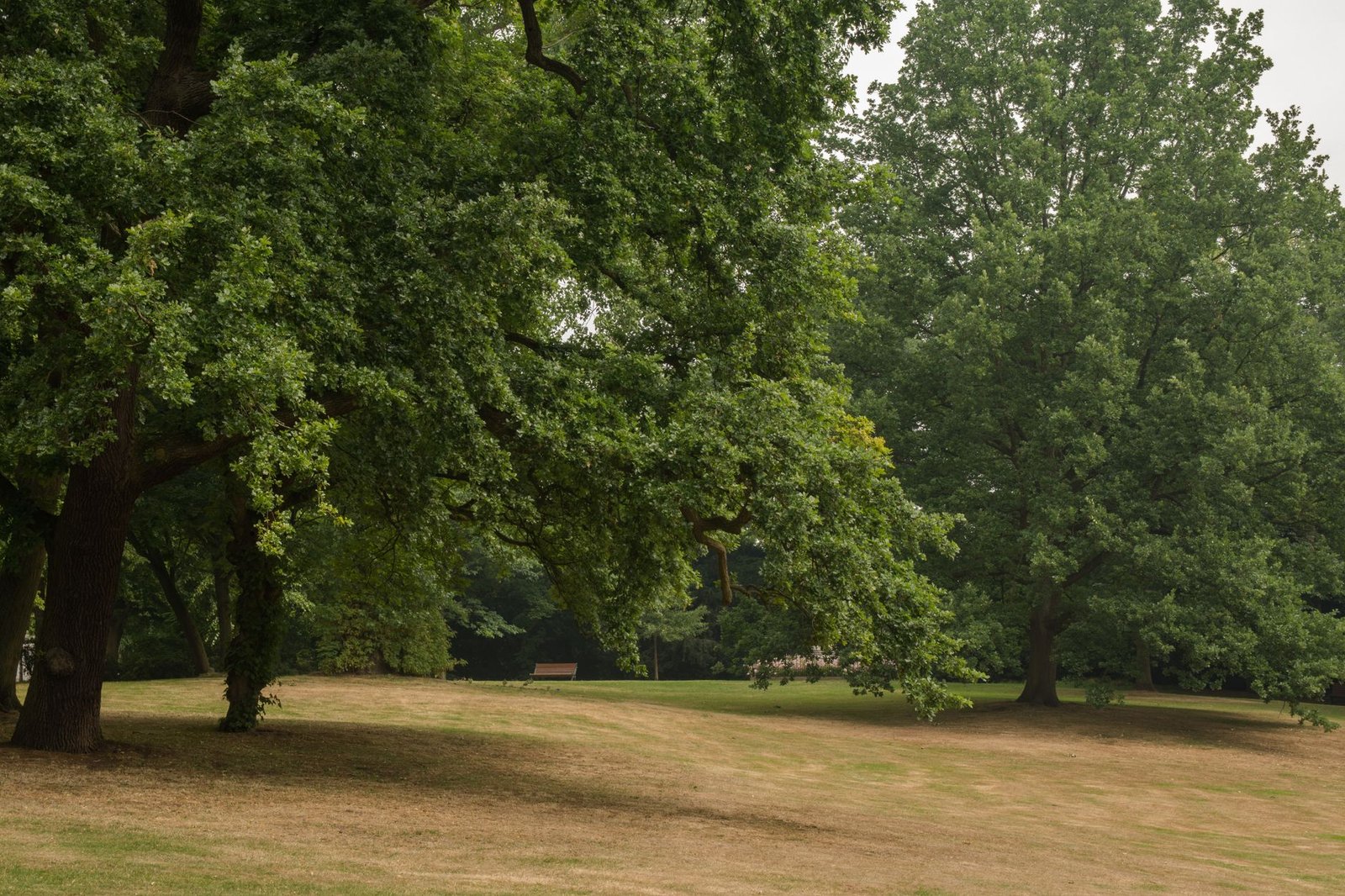
Shady areas present unique obstacles to turf establishment and health. Reduced sunlight directly impacts photosynthesis, diminishing the grass plant’s ability to produce energy. This leads to weaker growth, thinner blades, and increased susceptibility to diseases and moss encroachment. Furthermore, shaded areas often experience prolonged soil moisture, which can lead to fungal issues, or conversely, root competition from overlying trees that can deplete available water and nutrients. The degree of shade—whether dense, partial, or dappled—significantly influences the viability of different grass species.
Defining “Shade” for Optimal Seed Selection
- Dense Shade: Areas receiving less than three hours of direct sunlight per day, or filtered light throughout the day. These are the most challenging spots.
- Partial Shade: Receiving three to six hours of direct sunlight, often in the morning or late afternoon. Many grasses can tolerate this with proper care.
- Dappled Shade: Filtered sunlight throughout the day, often found under deciduous trees. This allows for more flexibility in grass choice.
Top Grass Types and Seed Blends for 2026
The landscape of turfgrass science continues to evolve, with 2026 offerings reflecting significant advancements in genetic selection and sustainable agronomy. The focus remains on species inherently adapted to low light, but with new cultivars boasting improved resilience.
Fine Fescues: The Perennial Champions of Shade
Fine fescues remain the cornerstone for shade-tolerant lawns. Their slender blades, low nutrient requirements, and ability to thrive in poor soil conditions make them ideal. Modern 2026 varieties offer improved vigor and disease resistance.
- Creeping Red Fescue (Festuca rubra): Known for its aggressive spreading habit via rhizomes, allowing it to self-repair thin spots. Newer cultivars exhibit enhanced shade tolerance and a deeper green color.
- Chewings Fescue (Festuca rubra commutata): A bunch-type grass, praised for its fine texture and excellent shade performance, particularly in drier shade.
- Hard Fescue (Festuca trachyphylla): Extremely drought and low-fertility tolerant, making it a sustainable choice for shaded areas where irrigation or fertilization may be limited. Its stiff blades contribute to a durable turf.
- Sheep Fescue (Festuca ovina): Similar to Hard Fescue in drought tolerance, it’s a good choice for very low-maintenance, dry, shaded areas.
Key 2026 Trend: Blends often feature multiple fine fescue species to leverage their individual strengths, creating a more robust and adaptable turf. Bio-engineered coatings on these seeds further enhance germination rates and early establishment by providing beneficial microbes and moisture retention agents.
Shade-Tolerant Perennial Ryegrass Cultivars
While traditional perennial ryegrass is known for full sun, 2026 has seen the development of specific cultivars with notably improved shade tolerance. These are often included in premium shade mixes to provide quick establishment, excellent wear resistance, and a vibrant green color, especially in areas with partial or dappled shade. It is crucial to select mixes explicitly stating “shade-tolerant perennial ryegrass” rather than generic varieties.
Specialty Kentucky Bluegrass Varieties (Limited Shade)
Generally, Kentucky Bluegrass (Poa pratensis) requires full sun. However, ongoing research has yielded a handful of cultivars that exhibit moderately improved shade tolerance. These are suitable for areas receiving 4-5 hours of direct sun, or consistent dappled light. They are rarely recommended for dense, deep shade. Homeowners must verify the specific cultivar’s shade rating if considering Kentucky Bluegrass in a mix for anything less than full sun.
Critical Considerations for Homeowners in 2026
Selecting the right seed is only one component of success. A holistic approach incorporating modern horticultural practices is essential.
Analyzing the Specific Shade Conditions
The precise amount and type of shade (e.g., morning sun vs. afternoon sun, overhead canopy vs. north-facing wall) will dictate the most appropriate seed blend. A detailed assessment of sun exposure throughout the day is highly recommended.
Soil Health and Preparation: The Foundation of Success
Soil testing is non-negotiable. Advanced soil analysis kits and services available in 2026 provide precise data on pH, nutrient levels, and organic matter content. Shaded soils often suffer from compaction and nutrient depletion due to tree root competition. Incorporating organic amendments like compost or biochar before seeding significantly improves soil structure, water retention, and nutrient availability, creating a healthier environment for new grass.
Modern Irrigation Strategies for Shady Zones
While shaded areas retain moisture longer, consistent, deep watering is still vital for establishment. Smart irrigation systems, integrated with local weather data and soil moisture sensors, are increasingly popular in 2026. These systems optimize watering schedules, preventing overwatering (which can lead to fungal issues in shade) and underwatering, ensuring efficient water use and healthier turf.
Sustainability and Eco-Friendly Choices
Many 2026 grass seed blends are developed with sustainability in mind. Look for seeds treated with beneficial microbial inoculants, which enhance nutrient uptake and improve stress tolerance, reducing the need for chemical fertilizers. Drought-resistant cultivars are also a critical consideration, aligning with broader ecological goals.
Planting and Establishing a Shady Lawn
Meticulous preparation and careful planting techniques are crucial for success in shaded areas.
- Clear the Area: Remove existing weeds, debris, and any remaining sparse turf.
- Soil Amendment: Based on soil test results, amend with compost or other organic matter. Till or aerate the soil to a depth of 4-6 inches.
- Leveling: Rake the area smooth, ensuring a consistent grade.
- Seeding: Apply grass seed evenly using a spreader. Follow the recommended seeding rate for shady conditions, which is often higher than for full sun.
- Covering: Lightly rake the seed into the top 1/8 to 1/4 inch of soil. Apply a thin layer of seed-starting mulch (e.g., straw, peat moss) to retain moisture and protect seeds.
- Watering: Keep the seedbed consistently moist until germination, typically with light, frequent watering. Once germinated, transition to deeper, less frequent watering to encourage deep root growth.
Long-Term Care for Shady Lawns
Ongoing maintenance tailored to shaded conditions will ensure the longevity and vitality of the turf.
- Mowing Height: Maintain a taller mowing height (e.g., 3-4 inches). Taller blades maximize the available surface area for photosynthesis, which is critical in low light.
- Fertilization: Shady lawns generally require less fertilizer than sunny lawns. Apply a balanced, slow-release fertilizer at a reduced rate, typically once or twice a year, based on soil test recommendations. Over-fertilization can promote weak, leggy growth and disease.
- Watering: Monitor soil moisture carefully. Shaded areas dry out slower than sunny ones. Water deeply when the soil starts to dry out, rather than on a fixed schedule.
- Tree Pruning: If possible, selectively prune lower branches of overlying trees to allow more light penetration and improve air circulation. This can significantly reduce disease pressure.
- Aeration and Overseeding: Annually or biennially aerate shaded areas to alleviate compaction, especially if there is foot traffic. Overseeding with the appropriate shade-tolerant blend will maintain turf density and help fill in any thinning areas.
Successfully cultivating a vibrant lawn in shaded conditions in 2026 demands a thoughtful combination of selecting the right advanced seed blend and implementing meticulous care strategies. By prioritizing soil health, understanding specific light conditions, and adopting sustainable maintenance practices, the homeowner can transform challenging, shaded spots into areas of lush, green turf that enhance the overall beauty and comfort of the domestic landscape.