Conquering the Overstuffed Linen Closet in 2026
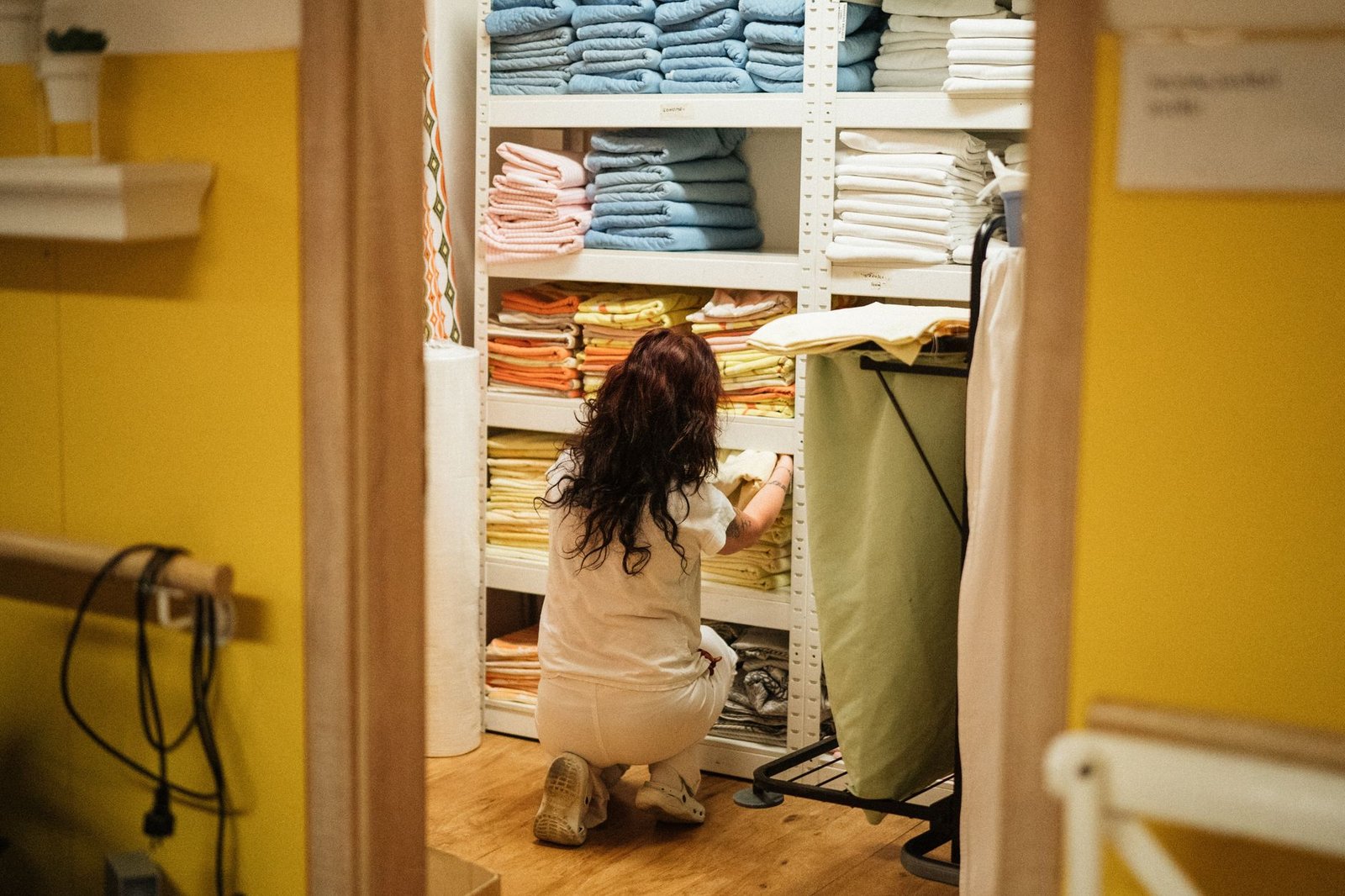
A small linen closet feeling perpetually overstuffed is a common domestic challenge, often leading to clutter and frustration. However, transforming this compact space into an epitome of order and efficiency is entirely achievable. This article will present five innovative organization hacks for 2026, designed to maximize storage, maintain impeccable order, and leverage the latest industry trends and material developments to ensure every linen closet functions optimally for the resident.
Maximizing Vertical Space and Smart Storage Solutions
The first step in addressing a small or overstuffed linen closet involves a strategic approach to vertical space and the implementation of smart storage solutions. Unutilized vertical areas above existing shelves or below hanging items represent prime real estate for additional storage. Leveraging these often-overlooked zones can dramatically increase a closet’s capacity without requiring structural changes.
Innovative Shelving and Drawer Dividers
For 2026, the market offers an array of ingenious shelving and drawer divider systems that are both effective and aesthetically pleasing. Modular, adjustable shelving units crafted from lightweight, durable materials like recycled aluminum or bioplastic composites allow for customization to fit specific linen dimensions. These systems can be easily reconfigured as storage needs evolve, providing unparalleled flexibility. Furthermore, expandable and adjustable drawer dividers, often made from sustainable bamboo or advanced recycled polymers, are crucial for segmenting folded items within deeper shelves or drawers. These dividers prevent stacks from toppling and ensure that different categories of linens, from bath towels to bedsheets, remain neatly separated and easily accessible.
Smart Containment and Labeling
Effective containment is fundamental to an organized linen closet. Bins, baskets, and clear containers are essential for grouping similar items and preventing them from spilling over designated areas. For 2026, homeowners are increasingly opting for solutions made from sustainable materials such as felt crafted from recycled PET bottles, organic cotton, or woven seagrass. These materials not only offer durability but also contribute to an eco-conscious home environment. Clear, stackable containers are particularly beneficial for less frequently used items, offering visibility without accumulating dust. Crucially, a robust labeling system is paramount. Modern labels can go beyond simple text, with some incorporating QR codes linked to a digital inventory, allowing the user to quickly ascertain contents and quantities without physically removing items. This approach significantly streamlines the retrieval process and reduces time spent searching.
Advanced Textile Folding Techniques and Sustainable Practices
The method of folding textiles directly impacts how much can be stored and how neat the closet appears. Alongside this, the choice of storage materials plays a vital role in long-term organization and environmental stewardship.
Advanced Textile Folding Techniques
Adopting advanced folding techniques can revolutionize the capacity of a small linen closet. The