A cramped small home office can significantly hinder productivity and comfort. However, a wealth of innovative design strategies and furniture solutions are available in 2026 to transform even the most confined workspace into an efficient, aesthetically pleasing, and spacious-feeling environment. The key lies in strategic planning, leveraging modern material advancements, and embracing smart technology to unlock the full potential of compact areas.
Maximizing Verticality and Wall Space for Expanded Functionality
One of the most effective strategies for a compact office is to shift focus from floor area to wall space. This approach immediately frees up precious square footage, making the room feel considerably larger and more functional.
1. Embrace Wall-Mounted Desks and Floating Shelving
Wall-mounted desks are revolutionary for small spaces. These designs often feature sleek profiles and can even fold away when not in use, disappearing seamlessly into the room’s aesthetic. In 2026, trends lean towards models crafted from lightweight, recycled composite materials or sustainably sourced engineered wood, offering both durability and a minimal visual footprint. Floating shelves, similarly, provide essential storage and display areas without the bulk of traditional bookcases. These elements leverage verticality, drawing the eye upwards and enhancing the perception of height within the room. Consider integrated lighting within shelving units for both functionality and ambiance.
2. Leverage Vertical Storage Systems and Pegboards
Beyond desks and shelves, full-height vertical storage systems can house an impressive amount of office supplies, documents, and equipment. Custom-built solutions that fit snugly into alcoves or against walls maximize every inch. For adaptable storage, contemporary pegboards made from sustainable bamboo or lightweight recycled plastics offer unparalleled flexibility. These allow the homeowner to reconfigure hooks, shelves, and containers as needs evolve, keeping essential items organized and within reach without cluttering the desk surface. This hack is particularly useful for stationery, small tools, or even displaying inspirational items.
Smart Furniture and Multifunctional Pieces for the Modern Era
The furniture industry in 2026 places a strong emphasis on versatility and efficiency, making it ideal for compact office environments. Investing in pieces that serve multiple purposes or can adapt to various situations is a cornerstone of intelligent small-space design.
3. Invest in Modular and Foldable Furniture
Modular furniture systems are a game-changer for dynamic spaces. Desks that can be extended or retracted, shelving units that reconfigure, and chairs that fold flat or stack are prevalent. Materials such as ultra-lightweight carbon fiber composites or advanced aluminum alloys ensure these pieces are robust yet easy to move and store. A folding desk, for example, allows a multi-purpose room to transition from an office during working hours to a living space in the evenings, ensuring the room never feels solely dedicated to work. This adaptability is key for residents in smaller apartments or homes without a dedicated office.
4. Opt for Integrated Storage Solutions and Smart Designs
Furniture that cleverly conceals storage is a non-negotiable for small offices. Desks with hidden compartments, built-in drawer systems, or even storage ottomans that double as seating are excellent choices. In 2026, many contemporary office furniture pieces come with integrated technology, such as wireless charging pads for mobile devices seamlessly built into desk surfaces, and discreet USB-C ports. This minimizes visible cables and desktop clutter, creating a cleaner and more productive environment. Filing cabinets on casters that tuck neatly under a desk or into a corner are also practical for maintaining order.
Illusion of Space: Lighting, Colors, and Materials
Design elements like lighting, color, and material choices play a psychological role in how large or small a room feels. Strategic application of these principles can dramatically alter the perception of space.
5. Master Strategic Lighting and Reflective Surfaces
Effective lighting design is paramount in a small office. Layered lighting – combining ambient (general room illumination), task (focused light for working), and accent (to highlight features) – prevents dark corners that can make a room feel smaller. Smart LED systems with tunable white light allow the resident to adjust color temperature throughout the day to support circadian rhythms and task focus. Maximizing natural light is also crucial; sheer window treatments allow light to penetrate without sacrificing privacy. Furthermore, incorporating reflective surfaces such as mirrors or high-gloss finishes can visually expand the room, bouncing light around and creating an illusion of depth. Consider smart glass partitions to borrow light from adjacent rooms while maintaining visual privacy on demand.
6. Implement Smart Color Palettes and Minimalist Aesthetics
Light, neutral color palettes – think whites, soft grays, pale blues, and serene greens – for walls and large furniture items are highly effective in making a small space feel more open and airy. These colors reflect light rather than absorbing it. A resident can introduce personality through strategic pops of color in accessories, artwork, or a single feature wall. Beyond color, a minimalist aesthetic is crucial. This involves mindful curation of items, ensuring that only necessary and aesthetically pleasing objects occupy the space. Digital minimalism, leveraging cloud storage and paperless workflows, complements this by reducing physical clutter.
Holistic Integration: Ergonomics, Tech & Biophilic Design
A truly optimized small home office in 2026 goes beyond mere space-saving; it integrates comfort, technology, and well-being into its core design.
7. Integrate Ergonomic Seating with a Compact Footprint
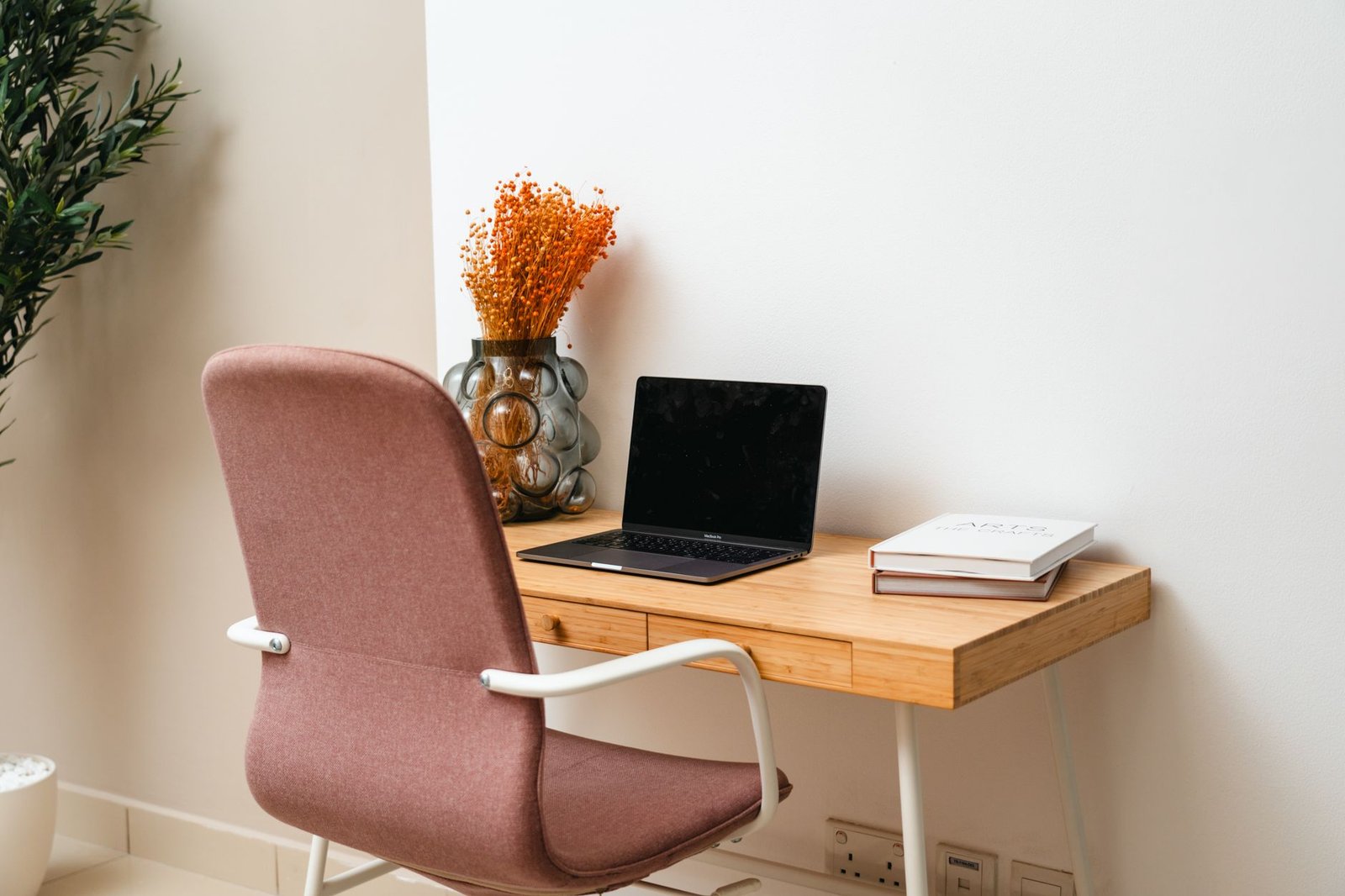
An ergonomic chair is vital for health and productivity, but traditional office chairs can dominate a small space. The 2026 market offers a new generation of ergonomic chairs specifically designed for compact areas. These chairs feature streamlined profiles, adaptive lumbar support, and often fold or tuck away efficiently without compromising on comfort or postural benefits. Sustainable fabrics and advanced foam technologies provide breathability and durability. Prioritize chairs with adjustable armrests that can be lowered to slide under the desk when not in use.
Digital Decluttering and Seamless Tech Integration
A major contributor to a cluttered small office is technology sprawl. In 2026, the focus is on seamless integration. This means embracing wireless peripherals (keyboard, mouse), utilizing hidden cable management systems (grommets, cable trays, raceways), and opting for compact, all-in-one displays that reduce hardware bulk. Built-in charging solutions within furniture reduce the need for multiple adapters and cords. This proactive approach to managing technology ensures a clean, organized, and mentally unburdened workspace.
Biophilic Touches for Enhanced Well-being
Even in the smallest office, incorporating elements of nature can significantly boost mood and productivity. This biophilic design approach can involve small, low-maintenance plants in smart planters that monitor soil moisture, or vertical herb gardens. Natural materials like wood, cork, or stone textures can be introduced through desk accessories or decorative items. Such elements bring a sense of calm and connection to the natural world, enhancing overall domestic comfort within the compact professional setting.