
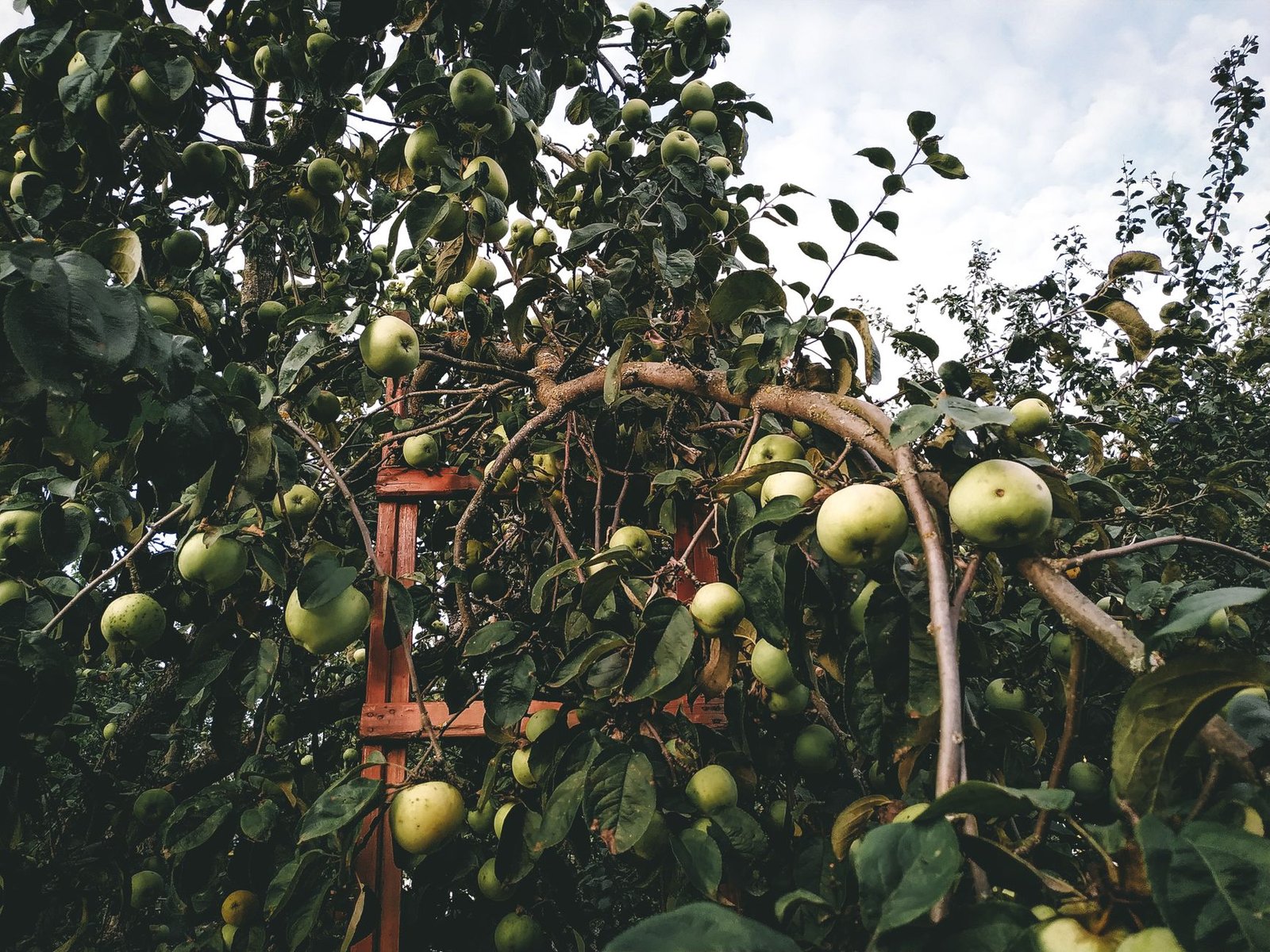
When fruit trees fail to yield their anticipated bounty, the solution often lies in the strategic application of pruning. A lack of production in fruit trees is frequently attributed to incorrect pruning practices, or a complete absence of them, leading to overcrowding, poor light penetration, and an imbalance of vegetative versus fruiting wood. By implementing targeted pruning techniques, a homeowner can significantly enhance tree health, promote vigorous fruiting, and ensure a generous harvest in 2026 and beyond.
Understanding Pruning Principles for Abundant Yields
Effective pruning is more than just cutting branches; it is an art and a science aimed at optimizing tree physiology for fruit production. The primary goals are to establish a strong structural framework, improve air circulation, maximize sunlight exposure to fruiting wood, and encourage the development of robust, fruit-bearing spurs and branches. Neglecting these principles can result in energy being misdirected into non-productive growth, ultimately diminishing fruit quantity and quality.
Why Prune for Fruit Production?
- Energy Distribution: Pruning redirects the tree’s energy from excessive vegetative growth to fruit development, ensuring resources are concentrated where they matter most.
- Light Penetration: Removing interior and crossing branches allows sunlight to reach all parts of the canopy, which is crucial for fruit ripening and color development.
- Air Circulation: An open canopy reduces humidity and promotes airflow, significantly decreasing the incidence of fungal diseases.
- Structural Integrity: Corrective pruning strengthens the tree’s scaffold, making it more resilient to heavy fruit loads and adverse weather conditions.
- Pest and Disease Management: Removing dead, diseased, or damaged wood eliminates potential entry points and habitats for pests and pathogens.
Key Pruning Cuts: Thinning vs. Heading
Two fundamental types of cuts are employed in fruit tree pruning:
- Thinning Cuts: These involve removing an entire branch back to its point of origin (trunk or larger branch), or shortening it back to a lateral branch. Thinning opens the canopy, improves light, and encourages growth from dormant buds near the cut. This is often the preferred cut for fruit production as it avoids stimulating excessive vegetative regrowth.
- Heading Cuts: These cuts shorten a branch, removing only a portion of its length. Heading stimulates strong regrowth from buds immediately below the cut, often resulting in denser, bushier growth. While useful for shaping young trees or encouraging branching in specific areas, overuse can lead to an overly dense canopy detrimental to fruit development.
Pruning Techniques for Common Fruit Trees
Different fruit trees have distinct growth habits and fruiting patterns, necessitating tailored pruning approaches.
Apple and Pear Trees (Pome Fruits)
Pome fruits typically bear fruit on spurs—short, stubby branches that produce fruit for several years. The primary goals for apple and pear trees are to establish a strong central leader or modified central leader system and maintain an open canopy. Annually, homeowners should focus on:
- Removing dead, diseased, or broken branches.
- Eliminating water sprouts (vertical shoots from scaffold branches) and suckers (shoots from the rootstock).
- Thinning out crossing or rubbing branches to prevent injury.
- Shortening overly vigorous upright branches to encourage more outward, spreading growth.
- Maintaining a balance between new fruiting wood and older spurs, ensuring adequate sunlight reaches all parts of the tree.
Stone Fruits (Cherry, Peach, Plum, Apricot)
Stone fruits typically bear fruit on one-year-old wood (peaches and some plums) or on spurs that are productive for a few years (cherries, apricots, some plums). These trees often benefit from an open-center or vase shape, which maximizes light penetration. For stone fruits, annual pruning should involve:
- Peaches and Nectarines: These fruit on one-year-old wood. Heavy dormant pruning is essential to stimulate new growth for the next year’s crop. Approximately 40-60% of the previous year’s growth may be removed, focusing on opening the center and maintaining a manageable height.
- Cherries and Plums: Bearing on spurs and sometimes one-year-old wood, these require less severe pruning than peaches. Focus on removing dead, damaged, or crossing branches and maintaining an open, balanced structure. Some varieties benefit from light summer pruning to control vigor.
Citrus Trees
While less common in colder climates, citrus trees require minimal pruning once established. The main objectives are to remove dead, diseased, or crossing branches, and to maintain a desirable shape and size for ease of harvesting. Pruning for citrus is usually performed after the main harvest.
Tools, Timing, and Modern Considerations for 2026
Proper tools and timely execution are as critical as the pruning technique itself.
Essential Pruning Tools
Investing in high-quality tools is paramount for clean cuts and minimal tree stress. For 2026, many leading brands offer advancements in ergonomics and blade technology:
- Hand Pruners (Bypass Type): For branches up to 3/4 inch thick. Modern designs feature lightweight, high-carbon steel blades that retain sharpness longer and often include shock-absorbing handles.
- Loppers: For branches 1 to 2 inches thick. Look for models with compound action or gear-driven mechanisms for increased leverage.
- Pruning Saws: For branches larger than 2 inches. Curved, tri-edge blades are particularly efficient.
- Sterilization: Keeping tools clean with a 10% bleach solution or rubbing alcohol between trees (and even between major cuts on the same tree) is crucial to prevent the spread of diseases. Modern biodegradable sanitizing wipes are also gaining popularity for convenience.
Optimal Pruning Windows
- Dormant Pruning (Late Winter/Early Spring): This is the most common time for structural and renewal pruning for most deciduous fruit trees, typically before bud break. It encourages vigorous growth.
- Summer Pruning (Late Spring/Early Summer): Lighter summer pruning can be used to control vigor, remove water sprouts, and improve light penetration. It can be particularly beneficial for overly vigorous trees or for certain stone fruits.
2026 Trends: Smart Pruning and Material Innovations
The year 2026 brings exciting developments for the diligent homeowner:
- AI-Assisted Pruning Apps: Several new mobile applications leverage AI to analyze tree photos, offering personalized pruning recommendations based on species, age, and desired outcome. These tools can guide the user on where to make specific cuts for optimal yield.
- Advanced Pruning Shears: Ergonomic designs featuring composite materials like carbon fiber for lighter weight and enhanced strength are becoming standard. Self-sharpening or easily replaceable blade systems also reduce maintenance.
- Biodegradable Wound Dressings: While not always necessary, for larger cuts, new plant-based, breathable wound dressings are available that protect against pathogens while allowing natural callousing without inhibiting tree respiration.
- Drone-Based Health Scans: For larger orchards or properties, drone technology equipped with multispectral cameras can identify areas of stress or potential disease in trees, helping homeowners preemptively address issues that might impact fruit production, including indicating areas requiring more focused pruning.
Beyond Pruning: Holistic Tree Health for Maximum Harvest
Pruning is a powerful tool, but it’s part of a larger ecosystem of care.
Nutrient Management and Soil Health
A well-balanced soil provides the essential nutrients for fruit development. Regular soil testing allows the resident to amend deficiencies with targeted organic or synthetic fertilizers. Practices like composting and mulching improve soil structure, water retention, and microbial activity, directly benefiting tree vitality and fruit set.
Pest and Disease Monitoring
Vigilant monitoring for pests and diseases is crucial. Early detection and intervention, whether through organic methods or targeted treatments, prevent infestations from compromising the tree’s health and fruit yield. Healthy, well-pruned trees are naturally more resilient to these challenges.
By embracing these comprehensive care strategies, homeowners can transform underperforming fruit trees into prolific producers. The consistent application of informed pruning techniques, supported by modern tools and an understanding of holistic tree health, ensures a rewarding harvest for years to come.