
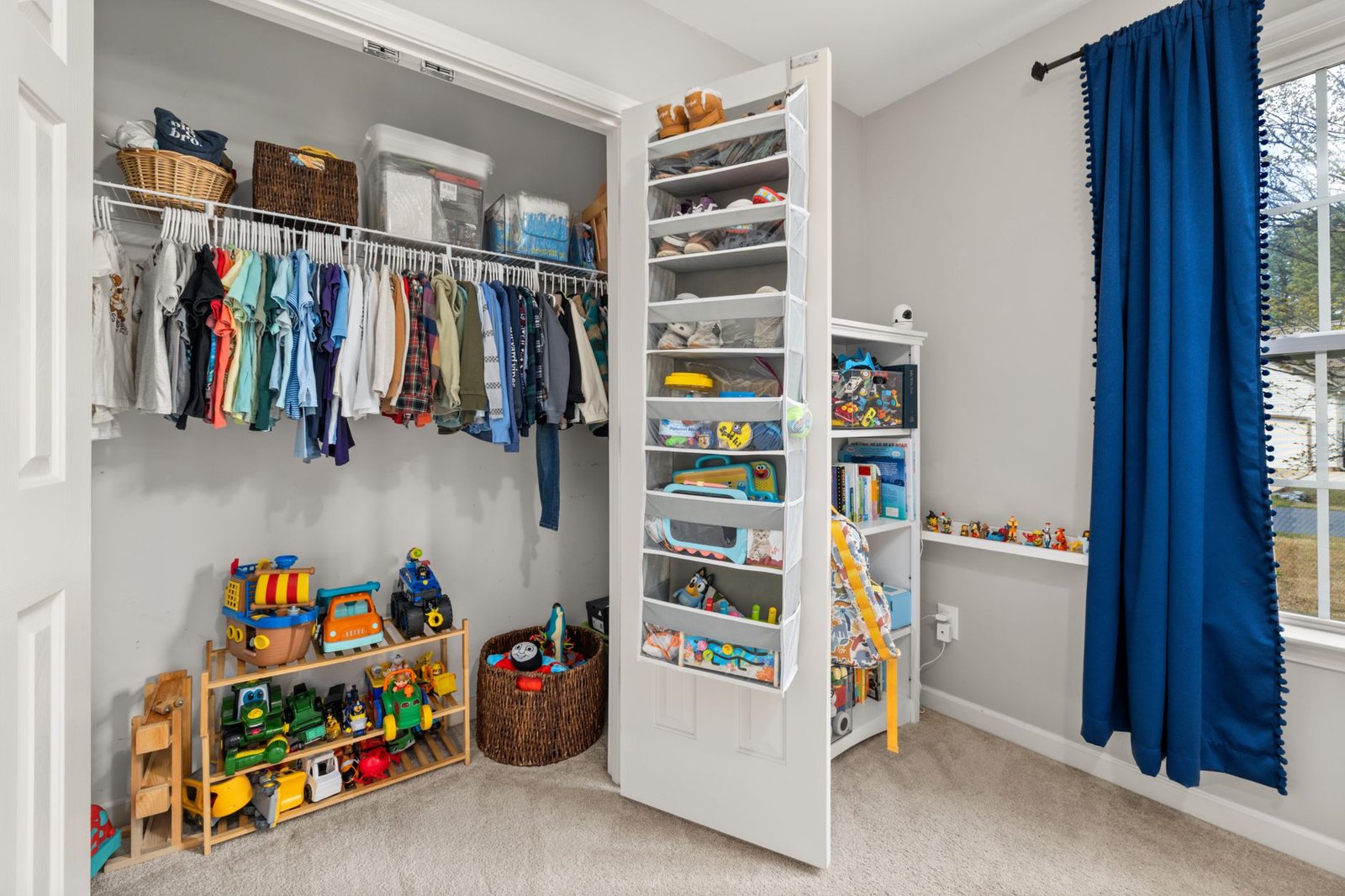
A small, packed closet presents a common domestic challenge, hindering efficiency and affecting daily routines. In 2026, transforming these confined spaces into highly functional and aesthetically pleasing areas is entirely achievable with strategic planning and innovative solutions. This article unveils seven clever storage solutions designed to maximize space, incorporating cutting-edge materials and contemporary organization trends, providing homeowners with actionable strategies to reclaim their closet’s potential.
The Modern Closet Conundrum: Maximizing Domestic Space
In an era where living spaces are increasingly optimized for multi-functionality and efficiency, the persistent issue of a cramped closet remains a focal point for domestic comfort analysis. Modern home designs often prioritize open concepts and communal areas, sometimes leading to more compact private storage. The proliferation of digital wardrobes and the growing consciousness around conscious consumption further highlight the need for intelligent physical storage that is both accessible and visually coherent. The challenge is not merely to store items, but to do so in a manner that contributes to a sense of order, calm, and seamless daily flow. Effective closet organization in 2026 transcends simple tidiness, embracing principles of modularity, verticality, and smart integration to elevate the overall residential experience.
7 Clever Storage Solutions for Maximizing Closet Space in 2026
-
Vertical Stacking Systems: Harnessing Overhead Space
Maximizing the vertical dimension of any closet is paramount for significant space gains. Multi-tiered hanging rods allow for layering garments, while stackable bins and modular shelving units extend storage upwards. 2026 Trend: Systems fabricated from lightweight, robust recycled composite materials and bio-plastics offer superior durability and environmental responsibility. Customizable smart-shelf configurations, often equipped with integrated, motion-sensor LED lighting, ensure every item is easily visible and accessible, contributing to an intuitive and efficient retrieval process.
-
Optimized Door Storage: Unlocking Hidden Potential
The often-overlooked back of a closet door represents valuable untapped storage real estate. Over-the-door organizers are ideal for smaller items that frequently clutter shelves or drawers. 2026 Trend: Sleek, low-profile designs utilizing advanced polymer mesh or sustainable eco-friendly textile blends minimize bulk while maximizing capacity. Magnetic attachment systems facilitate tool-free installation and effortless repositioning, allowing the resident to adapt the storage to evolving needs for accessories, shoes, or frequently accessed garments without permanent modifications.
-
Modular Drawer Organizers: Precision for Smaller Items
Within drawers, chaos can quickly reign without defined boundaries. Modular drawer inserts, dividers, and expandable honeycomb structures are indispensable for maintaining order. 2026 Trend: Options crafted from biodegradable bamboo, recycled PET plastics, and flexible silicone provide both durability and adaptability. These systems ensure that every small item—from socks and undergarments to ties and jewelry—has a designated place, preventing clutter and enhancing the efficiency of morning routines. Some even integrate smart labels compatible with personal inventory applications for streamlined digital tracking.
-
Advanced Garment Hangers: Reimagining Hanging Space
Traditional hangers can consume excessive space. The adoption of ultra-slim, velvet-flocked, or cascading hangers can dramatically reduce the footprint of hanging clothing. 2026 Trend: Hangers are increasingly manufactured from recycled marine plastics or sustainable bio-polymers, featuring non-slip, anti-crease finishes that protect garments. Innovatively, some designs now incorporate integrated RFID or NFC chips, enabling seamless digital wardrobe cataloging and management, offering a high-tech solution to physical space optimization.
-
Under-Shelf & Shelf Dividers: Defining New Zones
Existing shelves can be significantly optimized through the strategic placement of under-shelf baskets and adjustable shelf dividers. These tools create clear visual boundaries and introduce new storage areas within previously undefined open spaces. 2026 Trend: Transparent, shatter-resistant recycled acrylics or durable, lightweight metal alloys are preferred materials. Clip-on baskets can utilize the often-wasted space beneath shelves, while dividers prevent piles of folded items from toppling, maintaining tidiness for folded garments, handbags, or storage boxes.
-
Intelligent Seasonal Storage: Collapsible and Breathable Solutions
Managing off-season clothing, bedding, or rarely used items efficiently prevents year-round closet congestion. Vacuum-seal bags, under-bed containers, and collapsible fabric bins are highly effective. 2026 Trend: Advanced, breathable fabric composites with integrated anti-microbial properties protect garments from dust, pests, and mildew while stored. Self-assembling or rapid-deploy systems often feature lightweight recycled aluminum frames, offering robust yet flexible solutions that can be easily tucked away when not in use, ensuring items remain in pristine condition.
-
Integrated Smart Closet Technology: The Future of Organization
Technology is increasingly intersecting with domestic organization to provide unprecedented levels of control and efficiency. 2026 Trend: AI-powered inventory applications track clothing usage, suggest outfit combinations, and even alert residents to potential gaps in their wardrobe. Smart lighting systems with color-changing options can highlight specific sections or garments. Digital wardrobe planning tools, often leveraging augmented reality, allow for virtual visualization of closet layouts before physical implementation, significantly streamlining daily routines and simplifying long-term maintenance by making informed decisions about placement and accessibility.
Selecting Materials and Sustainability in 2026
In 2026, the selection of materials for closet organization solutions is strongly influenced by a commitment to sustainability and longevity. Homeowners are increasingly prioritizing durable, aesthetically pleasing products that feature recycled content, low-VOC (Volatile Organic Compound) finishes, and transparent lifecycle information. The emphasis on modularity and reconfigurability in design is not only practical for adapting to evolving storage needs but also contributes significantly to sustainable practices by extending product lifespan and reducing waste. Choosing products from responsible manufacturers aligns with modern domestic comfort principles, ensuring that organizational efforts are not only effective but also environmentally conscious.
Implementing a Customized Storage Strategy
Effective closet transformation begins with a thorough assessment of current needs, followed by a critical decluttering phase. The resident should categorize items by frequency of use and type, which informs the selection of appropriate storage solutions. A phased approach to implementation often yields the best results, allowing for adjustments as the new system integrates into daily life. It is crucial to remember that effective organization is not a one-time fix but an ongoing process that benefits from regular review and adaptation. A well-designed closet system supports not only tidiness but also reduces decision fatigue and enhances daily efficiency.
Conclusion
Even the most challenging small closet can be transformed into a highly functional, aesthetically pleasing, and efficient storage space. By embracing the innovative solutions and modern material developments available in 2026—from vertical stacking systems and optimized door storage to advanced garment hangers and integrated smart technologies—homeowners can significantly maximize their domestic comfort. These strategies not only organize possessions but also contribute to a serene and streamlined living environment, proving that thoughtful design and intelligent planning can unlock the full potential of any confined space.