
In 2026, the question of whether heated floors or radiators offer superior energy efficiency is a pivotal consideration for homeowners embarking on new builds or significant renovations. While both systems have evolved with modern technology, radiant floor heating generally demonstrates higher energy efficiency compared to traditional radiator systems, primarily due to its method of heat distribution and ability to operate at lower temperatures. This comparison delves into their energy consumption, installation costs, and comfort levels, providing clarity for informed decision-making in the current climate.
Energy Efficiency and Operational Costs in 2026
Radiant Floor Heating: A Deep Dive into Efficiency
Radiant floor heating systems, whether hydronic (water-based) or electric, deliver heat directly to the occupants and objects in a room from the ground up. This method creates a highly uniform thermal environment, eliminating cold spots and drafts typically associated with convective heating. The primary efficiency advantage stems from lower operating temperatures; radiant systems can maintain comfortable indoor temperatures while the thermostat is set several degrees lower than what a radiator system would require. This is because the heat is delivered directly and consistently, reducing heat loss through air circulation.
For 2026, advancements in radiant technology include more efficient heat pump integration, particularly air-to-water or ground-source heat pumps, which significantly enhance the system’s overall Coefficient of Performance (CoP). Modern systems also benefit from smarter zoning controls and predictive algorithms that learn a resident’s habits, further optimizing energy use. Improved insulation materials beneath the heating elements ensure minimal downward heat loss, directing nearly all generated warmth upwards into the living space. New modular radiant panel systems also reduce installation time and improve thermal contact.
Traditional Radiator Systems: Modern Enhancements and Efficiency
Traditional radiator systems operate on the principle of convection, heating the air which then circulates to warm the room. While effective, this method often leads to heat stratification, where warmer air accumulates near the ceiling, requiring higher thermostat settings to achieve comfort at occupant level. However, radiator technology has not stood still.
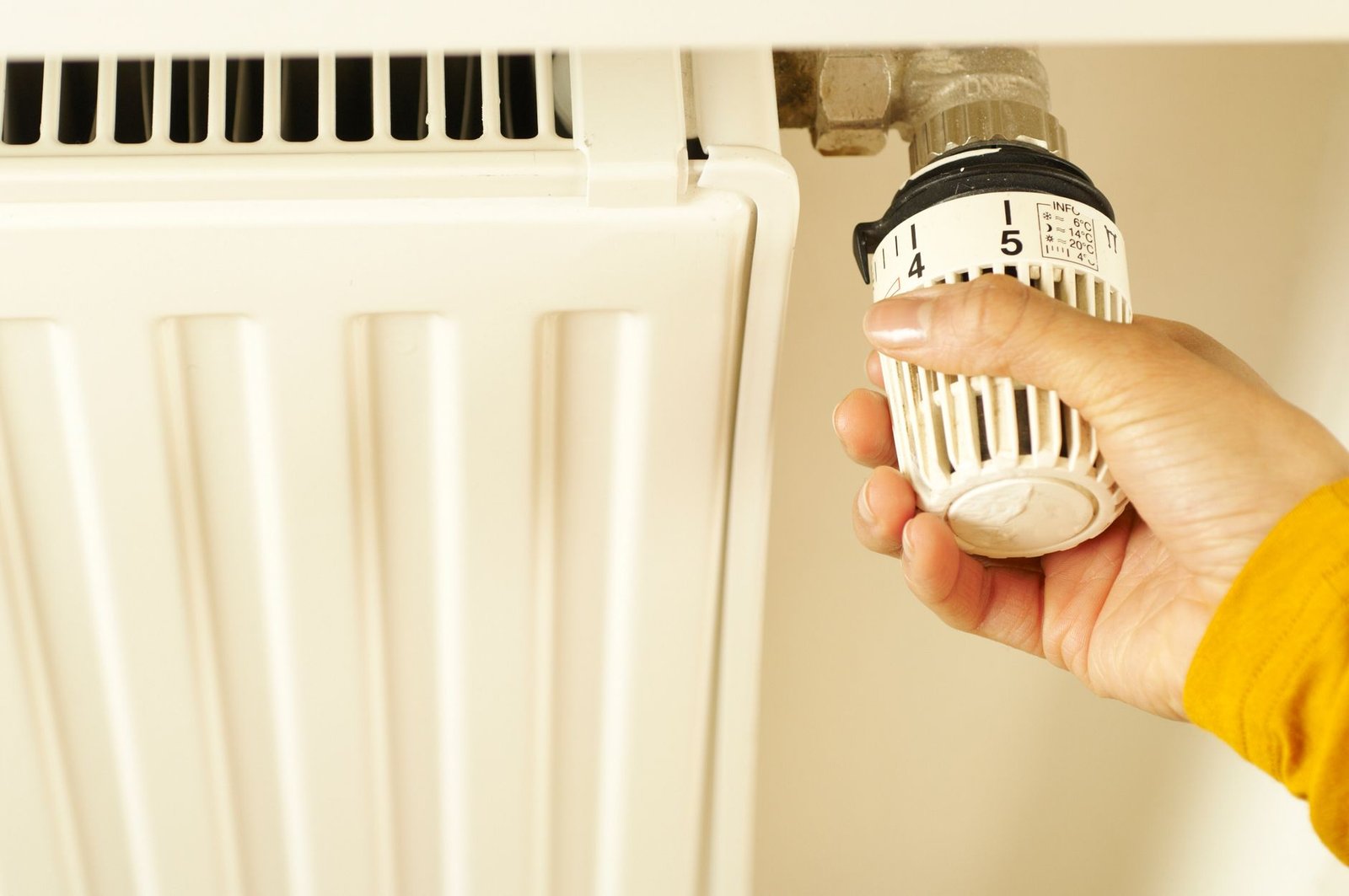
Contemporary radiator designs, particularly low-H2O models, require less water volume, leading to faster heat-up times and increased responsiveness. Smart Thermostatic Radiator Valves (TRVs) are now standard, offering individual room temperature control and reducing energy waste in unoccupied areas. Integration with modern, high-efficiency condensing boilers and heat pumps has also drastically improved their operational efficiency. Yet, even with these advancements, the fundamental principle of convective heating means radiators typically require higher water temperatures (55-70°C for traditional, 40-50°C for modern low-temp) compared to hydronic radiant floors (30-45°C), which inherently translates to higher energy consumption to produce the same feeling of warmth.
Installation Considerations and Costs
The Investment in Radiant Floor Heating
Installing radiant floor heating is generally a more involved and therefore potentially more expensive undertaking, especially in existing structures. For new builds, the cost difference narrows as the system can be integrated seamlessly into the floor slab or subfloor during construction. The primary components include PEX tubing (for hydronic), electric heating mats, manifold systems, dedicated insulation, and a final screed or flooring layer.
- New Builds: Hydronic systems integrated into a concrete slab can range from €45-€80 per square meter, excluding the heat source. Electric mats are often less expensive to install at €30-€60 per square meter, but have higher running costs in areas with high electricity prices.
- Retrofits: Installation in existing homes is more complex. ‘Wet’ systems require raising floor levels or significant demolition. ‘Dry’ systems, using panels that sit above the subfloor, are less disruptive but can still be costly, especially if extensive floor preparation is needed. Costs can easily double or triple compared to new build installations.
The upfront investment is often offset by long-term energy savings and increased property value. Material innovations in 2026 include more robust, recyclable PEX tubing and thinner, more thermally conductive overlay panels for easier retrofitting.
Cost Analysis for Radiator Systems
Traditional radiator systems typically present a lower upfront installation cost, particularly for renovations where existing pipework can be utilized. The main components are the boiler or heat pump, pipework, and the radiator units themselves.
- New Builds: Installation costs can range from €25-€50 per square meter, depending on the number and type of radiators and the complexity of the pipework.
- Retrofits: Replacing old radiators with new, more efficient models is straightforward. Adding radiators to an existing system, provided the boiler capacity is adequate, is also relatively simple. Full system replacement, including boiler and pipework, is more involved but still generally less disruptive than installing radiant flooring.
While the initial cost is often lower, the long-term operational costs due to higher temperature requirements can accumulate, potentially negating some of the initial savings over the system’s lifespan. However, 2026 sees radiators manufactured from lighter, more efficient alloys, capable of quicker heat transfer and lower operational temperatures, closing the efficiency gap slightly.
Comfort, Aesthetics, and Wellness
The Unrivaled Comfort of Radiant Floors
Radiant floor heating delivers a unique sensation of comfort. By warming surfaces directly, it provides a gentle, consistent warmth that mimics natural solar radiation. Residents experience a pleasant, ‘foot-level first’ warmth, without the hot and cold spots or drafts associated with air movement. This creates an environment where thermal comfort is achieved at a lower ambient air temperature. From a wellness perspective, radiant heating systems do not circulate air, which minimizes the distribution of dust, allergens, and pet dander, making them an excellent choice for individuals with respiratory sensitivities. Aesthetically, the system is completely invisible, offering complete design freedom for interior spaces without the imposition of visible heating units.
Radiators: Functional and Evolving
Radiators provide effective heat, albeit with a different comfort profile. The heat is more localized, and the reliance on convection can lead to varying temperatures throughout a room. While modern radiators are designed to distribute heat more evenly, the inherent air movement can still lead to some perceived dryness or dust circulation. On the aesthetic front, radiators occupy wall space, which can influence furniture placement and overall room design. However, contemporary radiators are available in sleek, minimalist designs, and even as decorative features, offering more visual appeal than their predecessors. Some designs are now integrated into skirting boards or plinths, minimizing their visual impact.
Modern Material and Trend Focus for 2026
In 2026, the home heating landscape is increasingly shaped by sustainability and smart technology. Both radiant floors and radiators are benefiting from these trends:
- Smart Home Integration: Both systems are now seamlessly integrated into comprehensive smart home ecosystems. AI-driven thermostats and zone controllers optimize energy use by learning resident patterns, predicting weather changes, and even responding to electricity grid pricing.
- Sustainable Heat Sources: The widespread adoption of high-efficiency air-source and ground-source heat pumps is a significant trend, making both radiant floors and radiators far more eco-friendly when paired with these renewable energy sources.
- Modular & Thin-Profile Radiant Systems: New modular radiant floor panels are simplifying retrofits, making underfloor heating accessible for more renovation projects without extensive floor height increases.
- Advanced Radiator Materials: Manufacturers are utilizing new alloys and composite materials that enhance heat transfer efficiency and allow for more compact, aesthetically pleasing designs that operate effectively at lower temperatures.
Conclusion
For the homeowner evaluating heating systems in 2026, the choice between heated floors and radiators hinges on a balance of priorities: initial investment, long-term operational costs, and desired comfort levels. Radiant floor heating generally maintains a lead in energy efficiency and unparalleled comfort, especially when paired with a heat pump, making it an ideal choice for new constructions or extensive renovations where the higher upfront cost can be absorbed. Its low-temperature operation is a significant advantage for sustainability.
Conversely, modern radiator systems offer a more budget-friendly installation, particularly in existing homes, and have made significant strides in efficiency with advanced controls and low-H2O designs. For projects with budget constraints or where minimal disruption is paramount, radiators remain a viable and effective heating solution. Ultimately, an energy audit and a detailed discussion with an HVAC professional will provide the most tailored recommendation based on the specific property’s characteristics and the homeowner’s long-term objectives.