
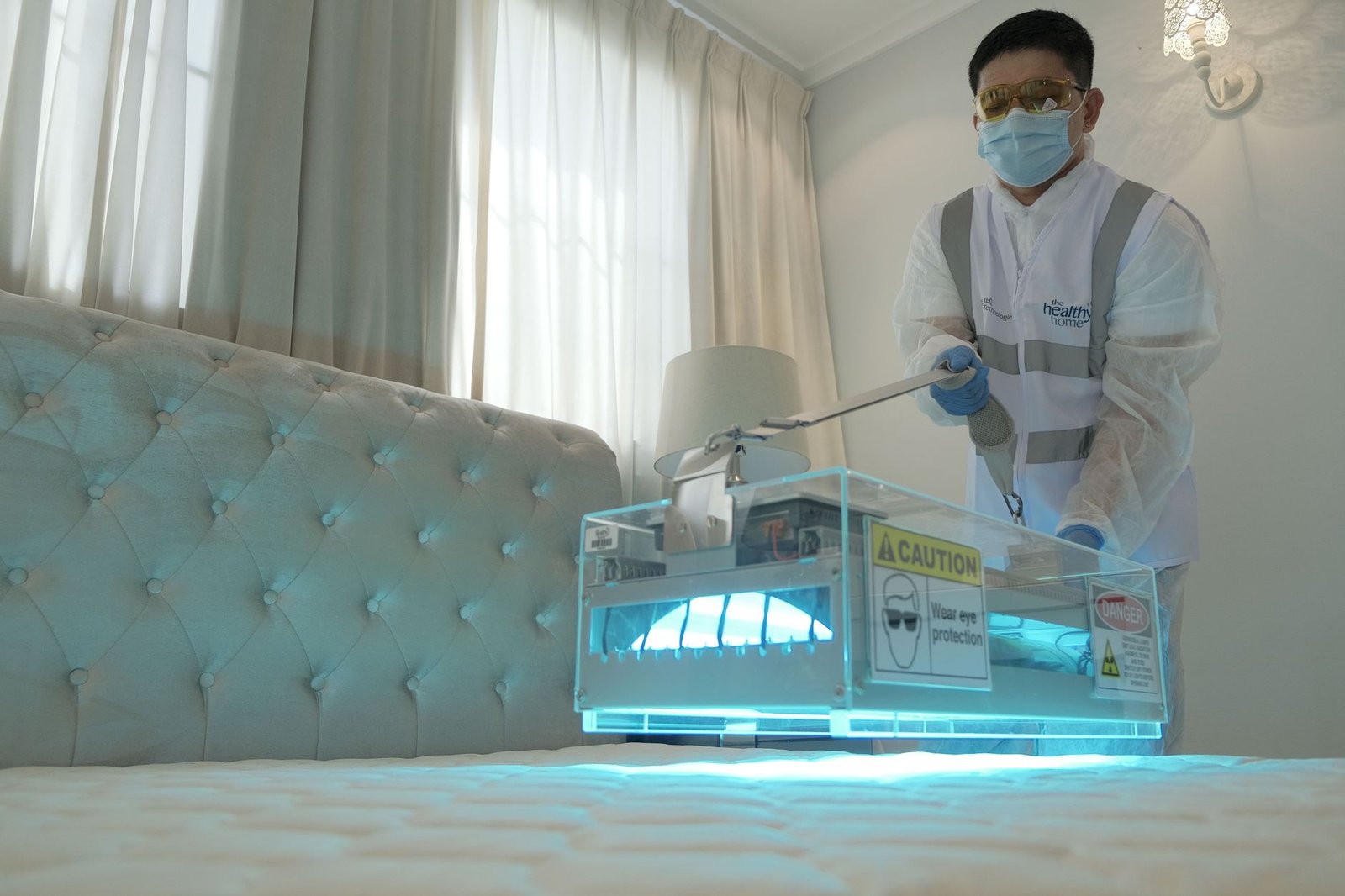
Indoor allergies can significantly diminish domestic comfort, with dust mites frequently identified as a primary allergen source. For residents experiencing persistent sneezing, congestion, or skin irritations within the home environment, minimizing dust mite populations through natural, non-chemical interventions is an effective strategy. This guide explores five practical, natural methods to reduce dust mites, offering homeowners a pathway to a healthier, more comfortable living space in 2026.
Understanding the Indoor Dust Mite Challenge in 2026
Dust mites, microscopic arachnids, are ubiquitous inhabitants of most homes globally. These creatures thrive in specific conditions, feeding on shed human skin cells and preferring warm, humid environments. Common habitats include bedding, upholstered furniture, carpets, and curtains. The allergens they produce, primarily from their fecal matter and decaying body fragments, become airborne and can trigger allergic reactions in sensitive individuals. In 2026, with an increased focus on indoor air quality and holistic home wellness, understanding and addressing this challenge proactively is more pertinent than ever.
Foundational Strategies: 5 Natural Ways to Reduce Dust Mites
1. Optimize Indoor Humidity Levels
Dust mites absorb moisture from the air, making humidity control a critical factor in their proliferation. Maintaining indoor relative humidity between 40% and 50% significantly inhibits their ability to thrive. Modern smart home systems in 2026 often include integrated humidity sensors and controls, allowing for precise environmental management. Dedicated dehumidifiers, both portable and whole-house systems, are effective tools, particularly in humid climates or during specific seasons. Proper ventilation, especially in moisture-prone areas like bathrooms and kitchens, also contributes to reducing overall indoor humidity.
2. Implement a Targeted Cleaning Regimen
A consistent and strategic cleaning routine is fundamental to dust mite reduction. This involves more than just superficial tidying; it demands specific approaches to effectively remove mites and their allergens.
- HEPA Vacuuming: Regular vacuuming with a machine equipped with a High-Efficiency Particulate Air (HEPA) filter is essential. HEPA filters trap microscopic particles, including dust mite allergens, preventing them from recirculating into the air. In 2026, advanced robotic vacuums with enhanced suction and multi-stage HEPA filtration systems offer convenient, automated solutions for daily maintenance.
- Damp Dusting: Using a damp microfiber cloth to dust surfaces traps particles rather than scattering them. This method is particularly effective on hard surfaces and electronics.
- High-Temperature Washing: Laundering bedding, curtains, and other washable textiles in hot water (at least 130°F or 54°C) kills dust mites and washes away their allergens. For items that cannot withstand high temperatures, a thorough tumble dry cycle on high heat for at least 15 minutes can also be effective.
3. Utilize Allergen-Barrier Bedding
Bedding is a prime habitat for dust mites due to the availability of skin cells and moisture from perspiration. Encasing mattresses, pillows, and duvets with allergen-impermeable covers creates a physical barrier that prevents mites from inhabiting these items and blocks existing allergens from becoming airborne. In 2026, advancements in textile technology offer covers that are not only highly effective but also breathable, comfortable, and often made from sustainable, bio-based materials. Look for covers certified by asthma and allergy-friendly programs to ensure their efficacy.
4. Enhance Indoor Air Filtration
While dust mites themselves are relatively heavy and tend to settle quickly, their allergenic particles can remain suspended in the air. Improving indoor air filtration is a crucial supplementary measure.
- HEPA Air Purifiers: Standalone HEPA air purifiers can continuously filter allergens from the air in specific rooms, such as bedrooms or living areas. Modern purifiers in 2026 often feature smart capabilities, allowing for remote control and integration with home air quality monitoring systems.
- HVAC System Upgrades: Upgrading the heating, ventilation, and air conditioning (HVAC) system’s filter to a higher MERV (Minimum Efficiency Reporting Value) rating (e.g., MERV 11-13) can significantly improve whole-house air filtration. Regular replacement of these filters, typically every 1-3 months, is vital. Some advanced HVAC systems in 2026 also incorporate electrostatic filters or UV-C light technology for broader pathogen control.
5. Choose Mite-Resistant Materials & Declutter Strategically
The materials within a home and the extent of clutter directly impact the potential for dust mite accumulation.
- Flooring Choices: Opting for hard surface flooring such as hardwood, laminate, tile, or polished concrete over wall-to-wall carpeting in main living areas and bedrooms can drastically reduce dust mite habitats. If carpeting is desired, choose low-pile, washable area rugs that can be regularly cleaned.
- Furniture and Decor: Minimize upholstered furniture where possible, or choose leather, pleather, or tightly woven fabric options that are easier to clean. Replace heavy drapes with washable curtains, blinds, or shades.
- Strategic Decluttering: Reducing clutter, especially items that collect dust like decorative pillows, stuffed animals, and excessive knick-knacks, limits the surfaces available for dust and mite accumulation. Prioritize items that are easy to clean or can be stored in enclosed containers. The 2026 trend towards minimalist and functional design naturally supports a less mite-friendly environment.
Integrating 2026 Trends for Enhanced Comfort
The landscape of home wellness in 2026 offers innovative solutions that complement these natural methods. Smart home technology provides unprecedented control over environmental factors, allowing residents to automate humidity regulation, schedule robotic vacuuming, and monitor air quality in real-time. The emphasis on sustainable and hypoallergenic materials in home furnishings and construction is also expanding, with manufacturers offering textiles and finishes designed to be less hospitable to allergens. Integrating these trends ensures not only a reduction in dust mites but also contributes to a healthier, more comfortable, and technologically advanced living experience.
A Proactive Approach to Home Wellness
Reducing dust mites naturally is a continuous process that requires consistent effort and a thoughtful approach to home maintenance. By implementing these five strategies—optimizing humidity, maintaining a targeted cleaning regimen, utilizing allergen-barrier bedding, enhancing air filtration, and making strategic material choices—the homeowner can significantly diminish dust mite populations and alleviate associated allergy symptoms. The benefits extend beyond symptom relief, contributing to an overall improvement in indoor air quality and domestic comfort.
“`