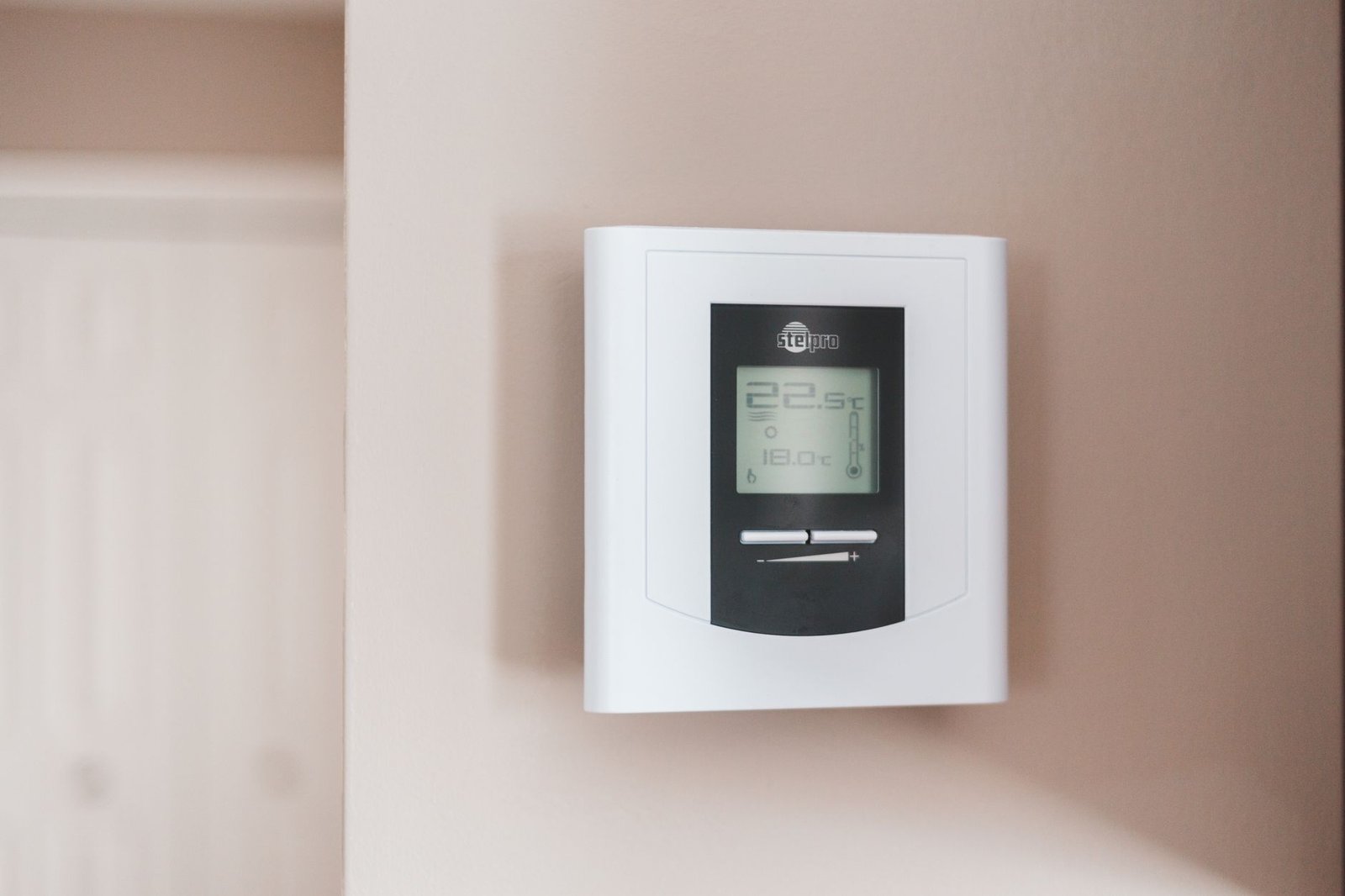
In 2026, determining whether smart thermostats or zoned HVAC systems offer superior energy savings depends significantly on the property’s characteristics, resident behavior, and initial investment. While smart thermostats provide intelligent, accessible control for single-zone optimization, comprehensive zoned HVAC systems inherently offer greater potential for energy reduction in multi-room properties by precisely conditioning only occupied areas. The optimal choice for a homeowner seeking to maximize energy efficiency and comfort involves a detailed understanding of both cutting-edge solutions.
Understanding Smart Thermostats in 2026
Smart thermostats have evolved significantly, transitioning from mere programmable devices to sophisticated, AI-driven climate managers. Their primary appeal lies in enhancing a single HVAC system’s efficiency through intelligent automation and user-friendly control.
Key Features and 2026 Advancements
Modern smart thermostats integrate advanced AI learning algorithms that go beyond simple scheduling. These systems actively predict occupancy patterns, adapt to external weather fluctuations with predictive analytics, and even optimize energy usage based on real-time electricity pricing if connected to local grid services. The interoperability standard Matter/Thread has further cemented their seamless integration into diverse smart home ecosystems, enabling unified control across various devices and platforms.
- AI-driven Predictive Scheduling: These systems learn resident habits and autonomously adjust temperatures for optimal comfort and efficiency, anticipating needs rather than merely reacting.
- Geofencing Capabilities: Using location data from residents’ smart devices, the thermostat automatically adjusts settings when the property is vacated or when residents are returning, minimizing energy waste.
- Integrated Multi-Sensors: Advanced models incorporate air quality monitors, humidity sensors, and passive infrared (PIR) occupancy sensors to refine climate control, ensuring not just thermal comfort but also improved indoor environmental quality.
- Matter/Thread Interoperability: This ensures broad compatibility, allowing smart thermostats to communicate effectively with other smart home devices and central hubs, streamlining home automation.
- Energy Grid Optimization: Features that communicate with utility providers facilitate participation in demand response programs, allowing minor, imperceptible temperature adjustments during peak load periods for collective energy savings and potential rebates.
Energy-Saving Mechanisms
The primary energy-saving mechanism of a smart thermostat is the elimination of unnecessary heating or cooling. By learning, sensing, and reacting to both internal and external environmental factors, these devices prevent energy waste by ensuring the HVAC system operates only when and where it is truly needed within its single-zone operational scope. Remote access via smartphone applications further empowers residents to make real-time adjustments, providing an additional layer of control over energy consumption.
Exploring Zoned HVAC Systems in 2026
Zoned HVAC systems represent a more fundamental and comprehensive approach to energy efficiency by dividing a property into independently controlled climate zones. This allows for precise climate management tailored to the specific needs of each area.
Core Principles and Components
A zoned system consists of multiple thermostats, motorized dampers strategically placed within the ductwork, and often a variable-capacity HVAC unit. Each designated zone can be heated or cooled to a different temperature, or even deactivated, entirely independent of other zones. This localized control prevents the conditioning of empty or infrequently used spaces, offering significant energy advantages.
- Multiple Thermostats: Each independent zone requires its own thermostat, providing localized temperature and operational control.
- Motorized Dampers: Electronically controlled valves within the duct system that open or close to redirect airflow exclusively to the zones requiring conditioning.
- Zone Control Panel: The central orchestrator that manages communication between the multiple thermostats, the motorized dampers, and the main HVAC unit, ensuring coordinated operation.
- Variable-Capacity Units: Modern zoned systems frequently employ variable refrigerant flow (VRF) or variable-speed compressors. These units can precisely match their output to the specific demands of the active zones, avoiding the inefficient full-power cycling characteristic of traditional single-speed HVAC systems.
Advanced Zoning Technologies in 2026
2026 has witnessed significant advancements in zoned HVAC, moving beyond basic on/off control to incorporate sophisticated intelligence. Smart zoning systems now integrate AI-driven algorithms, mirroring the intelligence of standalone smart thermostats but applied across multiple, distinct zones.
- Individual Zone Occupancy Sensing: High-precision sensors detect human presence within each zone, ensuring that conditioning only occurs when the space is occupied, preventing energy waste in vacant areas.
- Integrated Air Quality Monitoring: Zone-specific air quality data informs filtration and ventilation needs. This intelligence can activate energy recovery ventilators (ERVs) only in critical zones, optimizing air circulation and purity while conserving energy.
- Predictive Zone Load Balancing: AI analyzes historical data alongside real-time conditions, such as external weather patterns and internal heat sources, to anticipate and balance the thermal load across various zones. This maximizes the overall system efficiency by optimizing energy distribution.
- Hyper-Efficient Ducting and Insulation: The effectiveness of modern zoning is greatly enhanced by advancements in building materials. This includes improved duct materials designed for minimal thermal loss and localized insulation improvements, such as vacuum insulated panels or phase-change materials in critical building sections, which minimize thermal transfer between zones and reduce overall energy demand.
Direct Comparison: Energy Savings and Efficiency
While both technologies aim to save energy, their mechanisms and potential impact on a property’s utility bill differ significantly due to their distinct operational philosophies.
Operational Efficiency
Smart thermostats excel at optimizing a single HVAC system’s operation. They minimize standby losses and unnecessary runtime by intelligently managing the thermostat set points and learning resident behaviors. However, they are inherently limited by the design of a single-zone system, meaning they cannot prevent a large HVAC unit from heating or cooling an entire structure if only one room or area requires conditioning.
Zoned HVAC systems, particularly those incorporating variable-capacity units, fundamentally alter how energy is consumed within a property. They ensure that energy is expended only in the specific zones requiring it, providing precise, localized control. This inherent precision often leads to greater overall energy savings, especially in larger properties with diverse occupancy patterns, varied thermal loads, or significant differences in solar exposure across distinct sections.
- Smart Thermostats: Typically deliver energy savings ranging from 10-20% on heating and cooling bills, primarily by preventing unnecessary operation in a single-zone environment.
- Zoned HVAC: Can achieve 20-40% energy savings or more, especially in larger, multi-story properties or those with complex layouts, due to highly localized, demand-driven conditioning that eliminates energy waste in unoccupied areas.
Installation and Cost Implications
The initial investment for each solution varies considerably, influencing the overall cost-benefit analysis for a homeowner.
- Smart Thermostats:
- Cost: Generally affordable, with units ranging from $150-$300, plus minimal installation costs if professional assistance is required.
- Installation: Relatively straightforward, often a feasible DIY project for a homeowner or a quick task for an electrician or HVAC technician.
- Zoned HVAC:
- Cost: Substantially higher. Retrofitting an existing system typically ranges from $3,000 to $7,000+, and new installations incorporating advanced VRF systems can incur even greater costs. This investment covers multiple thermostats, motorized dampers, a zone control panel, and potentially an upgrade to the main HVAC unit.
- Installation: Complex and requires specialized expertise. Professional HVAC technicians are necessary to modify ductwork, install and calibrate dampers, wire control panels, and potentially replace or upgrade the central HVAC unit to ensure optimal performance and integration.
Making the Right Choice: Factors to Consider
The optimal solution for a homeowner depends on several critical factors, balancing efficiency goals with property specifics and budget constraints.
Property Characteristics
For smaller properties, open-plan layouts, or spaces where temperatures are relatively uniform throughout, a smart thermostat often provides sufficient control and significant energy savings. Conversely, for larger properties, multi-story homes, or structures with distinct wings and varying thermal loads (e.g., south-facing rooms versus shaded north-facing rooms), zoned HVAC offers unparalleled control and superior efficiency. Properties constructed or renovated in 2026 often feature advanced insulation and tighter building envelopes, which make the precise, localized control of zoned systems even more impactful.
Resident Behavior and Comfort Needs
Residents who spend most of their time in specific areas of the home, or households with members who have differing comfort preferences (e.g., cooler bedrooms at night, warmer living areas during the day), will benefit greatly from the granular control offered by zoning. If resident schedules are highly predictable and uniform, a smart thermostat can effectively manage the entire property’s climate. However, for dynamic living patterns, zoning provides superior adaptability.
Budget Considerations
The upfront cost of a zoned HVAC system is a significant consideration for many homeowners. While the long-term energy savings can often justify the investment over time, a smart thermostat provides a more immediate and accessible entry point into smart energy management. It is worth noting that financing options and energy efficiency rebates available in 2026 can, however, significantly reduce the financial burden for larger zoning projects, making them more attainable.
Future Trends and Integrated Solutions
The future of home climate control leans towards even greater integration, intelligence, and sustainability, impacting both smart thermostats and zoned HVAC systems.
AI Integration and Predictive Maintenance
By 2026, AI is not merely scheduling but actively managing system health and optimizing performance. Both smart thermostats and zoned systems increasingly integrate predictive maintenance capabilities, utilizing sensor data and operational analytics to alert residents to potential issues before they become major failures. This proactive approach prevents energy waste from inefficient operation, reduces repair costs, and significantly extends equipment lifespan.
Sustainable Material Innovations
The overall efficiency of any HVAC system is profoundly enhanced by the building envelope it operates within. Innovations in 2026 include widespread adoption of self-healing insulation materials, dynamic glazing that automatically adjusts its tint to solar gain, and advanced smart ventilation systems that incorporate sophisticated air purification alongside energy recovery. These advancements make the precise control offered by both smart thermostats and zoned HVAC even more impactful, as less energy is required to maintain desired temperatures and air quality.
Ultimately, the most effective energy-saving solution in many modern properties may be a hybrid approach: smart thermostats controlling individual zones within a larger, comprehensive zoned HVAC system. This combination offers hyper-granular control, maximizing efficiency, comfort, and sustainability for the contemporary homeowner.