For residents aiming to personalize their temporary living spaces, the choice between wallpaper and paint remains a perennial design dilemma. In 2026, determining which option is ‘better’ for rental apartments hinges significantly on factors such as landlord policy, desired aesthetic impact, budget constraints, and the resident’s willingness to undertake application and removal. Each method offers distinct advantages and disadvantages, with modern material developments continuously reshaping their suitability for transient living.
The Enduring Appeal of Paint in 2026 Rentals
Paint has long been the default for interior wall finishes, and its popularity in rental properties continues into 2026 for several compelling reasons. Its versatility and relatively lower upfront cost make it an accessible option for many residents seeking to refresh their surroundings.
Advantages of Paint for Renters
- Cost-Effectiveness: Per square foot, paint typically represents a more budget-friendly option than most wallpapers, especially considering standard emulsion paints.
- Ease of Landlord Approval: Many landlords are more amenable to painting, provided the resident agrees to repaint to a neutral shade upon vacating. This reduces potential disputes over security deposits.
- Color Versatility: An almost infinite palette allows for precise color matching and easy adjustments to evolving aesthetic preferences. 2026 color trends lean towards muted, earthy tones, serene blues, and sophisticated greens, often inspired by biophilic design principles.
- Simple Touch-Ups: Minor scuffs or marks can often be easily remedied with leftover paint, maintaining the wall’s pristine appearance without extensive redecoration.
- Material Innovation: The 2026 market offers advanced paint formulations, including low-VOC (Volatile Organic Compound) and zero-VOC options that significantly reduce harmful emissions, enhancing indoor air quality. Additionally, smart paints with antimicrobial properties or those designed to absorb pollutants are gaining traction, appealing to health-conscious residents.
Disadvantages of Paint for Renters
- Labor-Intensive Application: Painting requires meticulous preparation, including cleaning, patching, taping, and often multiple coats, demanding significant time and effort from the resident.
- Drying Time and Fumes: Despite advancements, paint still requires drying time between coats, and even low-VOC paints can emit some odor, necessitating ventilation.
- Less Dynamic Visual Interest: While color offers significant impact, paint typically lacks the textural depth or intricate patterns that wallpaper can provide. Achieving unique effects often requires specialized techniques, which may be beyond the average resident’s skill level or desire.
The Evolving World of Wallpaper for 2026 Rental Living
Wallpaper, once dismissed as dated or permanent, has undergone a significant resurgence, largely driven by innovative temporary solutions. For 2026, wallpaper offers unparalleled potential for transformative design in rental spaces.
Advantages of Wallpaper for Renters
- Instant Aesthetic Transformation: Wallpaper delivers immediate, high-impact design. Its patterns, textures, and murals can create a focal point or establish an entire room’s theme with a single application.
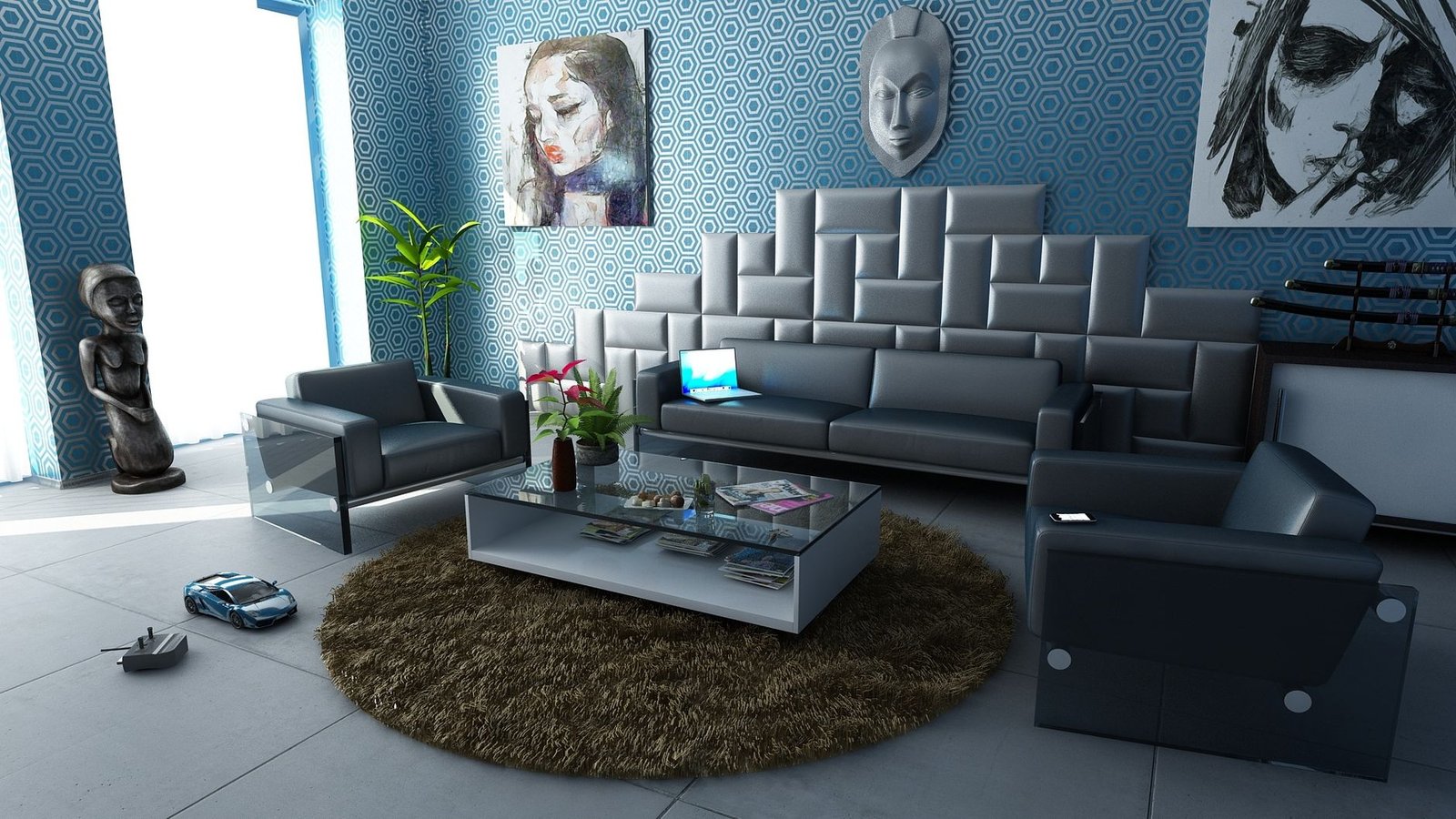
- Wide Range of Designs and Textures: From subtle linen textures to bold geometrics, abstract art, and realistic murals, 2026 wallpaper trends embrace tactile finishes, large-scale botanical prints, and digitally rendered bespoke patterns. Sustainable materials like grasscloth, cork, and recycled content are also prominent.
- Temporary Options (Peel-and-Stick): The advent of high-quality peel-and-stick wallpaper has revolutionized its use in rentals. These products are designed for easy application and, crucially, clean removal without damaging the underlying wall surface, making them ideal for residents concerned about security deposits.
- Damage Concealment: Wallpaper can effectively hide minor wall imperfections, such as hairline cracks or uneven surfaces, which might otherwise require extensive patching before painting.
- Acoustic Benefits: Certain textured or fabric-backed wallpapers can offer a degree of sound absorption, contributing to a quieter and more comfortable living environment.
Disadvantages of Wallpaper for Renters
- Higher Upfront Cost: Quality wallpaper, especially bespoke or sustainably sourced options, can have a higher initial material cost compared to standard paint.
- Precise Application Required: While peel-and-stick is easier than traditional paste wallpaper, precise alignment of patterns is critical for a professional finish, which can be challenging for an inexperienced resident.
- Potential for Damage (if not temporary): Traditional paste wallpaper, if used without landlord approval or applied incorrectly, can cause significant damage to walls upon removal, potentially impacting the resident’s security deposit.
- Limited Landlord Acceptance (for permanent options): Landlords are less likely to approve traditional, permanent wallpaper installations due to the effort and cost associated with removal.
- Removal Can Be Tricky: Even temporary options require careful, slow removal to prevent tearing or leaving residue, though 2026 advancements in adhesive technology minimize these issues.
Key Considerations for the 2026 Renter
Before committing to either wallpaper or paint, a resident should evaluate several factors that will influence the success and satisfaction of their chosen wall treatment.
Landlord Approval: The Non-Negotiable First Step
Regardless of the chosen method, obtaining explicit written permission from the landlord is paramount. For paint, clarification on acceptable colors and the requirement for repainting to a neutral shade upon move-out is essential. For wallpaper, especially peel-and-stick, demonstrating its temporary and non-damaging nature is crucial. Some landlords may have preferred brands or types of temporary coverings they approve.
Installation and Removal: DIY vs. Professional
- Paint: Painting is generally considered a manageable DIY project. However, achieving a flawless, professional finish requires patience and attention to detail.
- Wallpaper: While peel-and-stick wallpaper is designed for DIY, large or intricate patterns may benefit from a professional installer to ensure seamless results. Removal of temporary wallpaper is typically a straightforward DIY task.
Cost Analysis: Initial Investment vs. Deposit Deductions
Residents should calculate the total cost, including materials, tools, and potential professional labor. The potential for deposit deductions due to wall damage or the need for landlord-contracted repainting/removal must be factored into the overall expense. Temporary wallpaper, despite its higher initial cost, often proves more economical in the long run by preventing deposit deductions related to wall damage.
Aesthetic Impact and 2026 Trends
Consider the desired ambiance. For subtle enhancements or a minimalist aesthetic, paint remains a strong contender, particularly with the rise of matte finishes and calming, nature-inspired color palettes in 2026. For bold statements, texture, or intricate patterns, temporary wallpaper allows residents to explore avant-garde designs, oversized motifs, and digitally printed custom graphics that are popular in contemporary interiors.
Longevity and Durability
In high-traffic areas or homes with children and pets, the durability of the wall treatment is important. Washable paints offer resilience against scuffs, while vinyl-coated wallpapers provide excellent durability and cleanability. Residents should select products appropriate for the intended space’s demands.
Conclusion: Making the Best Choice for Your 2026 Rental
In 2026, the question of whether wallpaper or paint is ‘better’ for rental apartments does not have a single answer; rather, it depends entirely on the resident’s specific situation and design aspirations. For those seeking maximum landlord flexibility, lower upfront costs, and a classic, easily changeable aesthetic, paint, especially in low-VOC, on-trend colors, remains a reliable choice. Conversely, for residents prioritizing dramatic visual impact, unique patterns, or textural depth without long-term commitment, innovative peel-and-stick wallpapers offer an unparalleled opportunity for personal expression. Regardless of the decision, thorough communication with the landlord and an understanding of lease agreements are critical to a smooth and satisfying wall transformation project.