
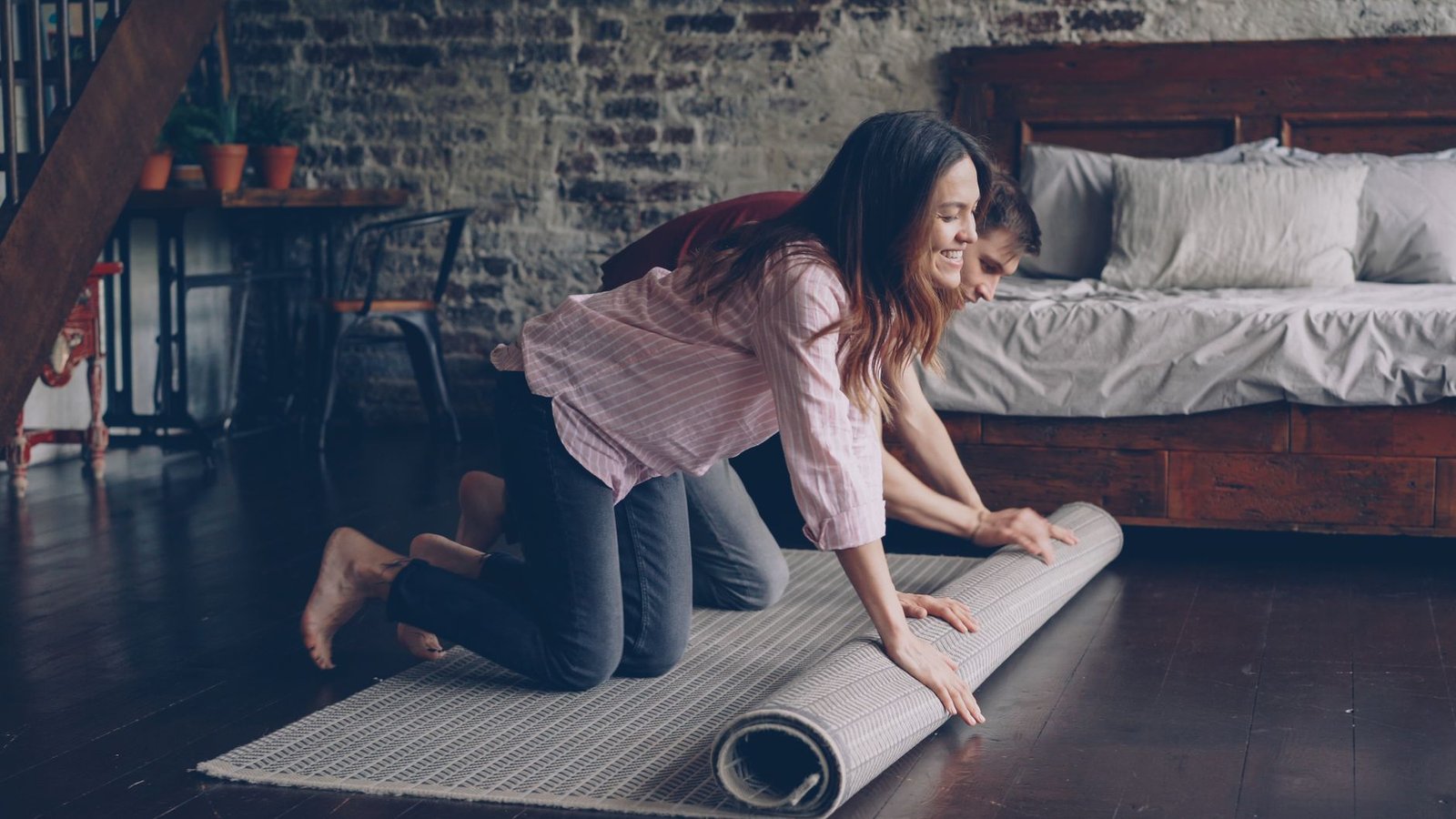
Achieving domestic tranquility has become a paramount concern for homeowners in 2026, with acoustic comfort playing a critical role in overall well-being. When evaluating floor coverings for their soundproofing capabilities, wall-to-wall carpeting generally offers superior, comprehensive noise reduction due to its extensive coverage and integral underlayment. However, modern area rugs, particularly those with advanced acoustic backings and strategic placement, can be remarkably effective at mitigating specific noise issues and echoes within a space, making the optimal choice dependent on specific needs and design objectives.
Understanding Acoustic Comfort: The 2026 Imperative
As residential architecture increasingly embraces open-plan layouts and hard flooring surfaces, the challenge of managing interior acoustics has grown significantly. Unwanted noise, whether from foot traffic, appliances, or external sources, can disrupt concentration, conversation, and relaxation. The pursuit of acoustic comfort is no longer a luxury but a fundamental aspect of high-quality home design.
The Science of Sound Absorption
Sound travels in waves, and when these waves encounter a hard, flat surface, they reflect, creating echoes and reverberation. Soft, porous materials, conversely, absorb sound energy, converting it into heat and thereby reducing the intensity and duration of reflections. Key factors influencing a material’s sound absorption capabilities include its density, thickness, and porosity. Materials with higher Noise Reduction Coefficient (NRC) ratings are more effective at absorbing sound across various frequencies.
Wall-to-Wall Carpeting: A 2026 Acoustic Analysis
For decades, wall-to-wall carpeting has been the gold standard for reducing noise in residential settings, a reputation it largely maintains in 2026. Its inherent properties make it highly effective for both airborne and impact sound attenuation.
Advantages for Noise Reduction
- Full Coverage: Wall-to-wall carpet eliminates virtually all exposed hard floor surfaces, drastically reducing sound reflection and reverberation throughout a room. This creates a much quieter environment by minimizing the bouncing of sound waves.
- Integrated Underlayment: The true power of modern wall-to-wall carpet for soundproofing often lies beneath the surface. Advanced underlayments in 2026 incorporate specialized materials like high-density foam, recycled rubber, and felt blends designed specifically to enhance acoustic performance. These pads not only add plushness but significantly boost the carpet’s ability to absorb airborne sound and, critically, insulate against impact noise from footsteps or dropped objects, preventing sound transmission to floors below.
- Impact Noise Reduction: This is where wall-to-wall carpet truly excels. Its combination of soft fibers and resilient padding acts as a buffer, absorbing the energy of footfalls and reducing the