
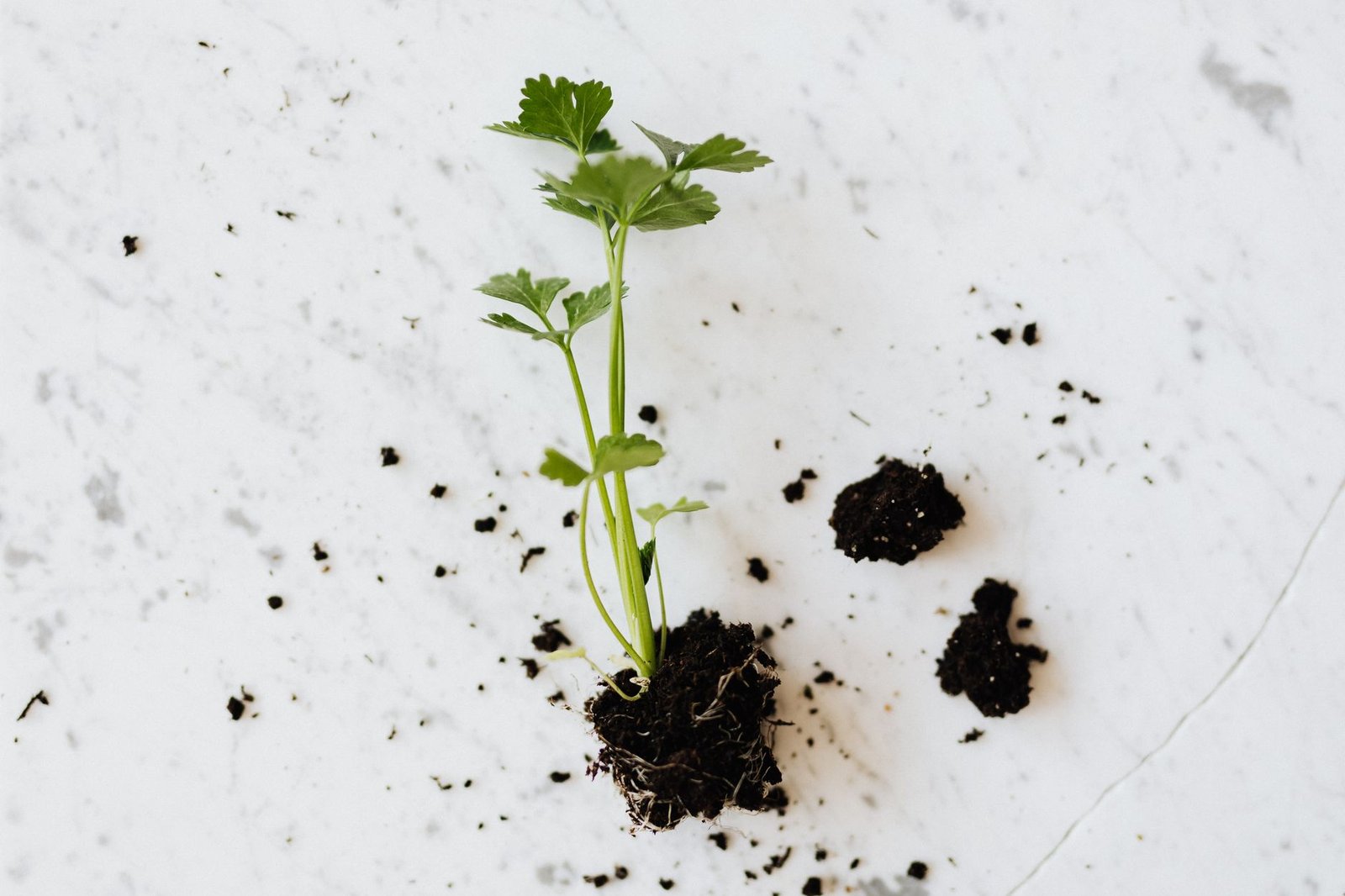
When garden plants struggle to thrive despite consistent care, the culprit is often compacted soil. This common issue chokes roots, impedes water penetration, and starves plants of essential air and nutrients, leading to stunted growth and reduced yields. Fortunately, effective and readily accessible solutions exist to remedy compacted soil, paving the way for significantly healthier and more vibrant plant life in 2026 and beyond.
Diagnosing Compacted Soil: Identifying the Silent Killer
Recognizing compacted soil is the crucial first step toward remediation. Several tell-tale signs can alert the homeowner to this underlying problem in the garden or landscape.
Visual Cues of Soil Compaction
-
Stunted Plant Growth: Despite adequate watering and fertilization, plants may appear weak, small, or fail to flourish, indicating roots cannot penetrate the dense soil effectively.
-
Water Pooling: After rain or irrigation, water may sit on the surface for extended periods before slowly seeping in, rather than draining efficiently. This suggests poor vertical drainage.
-
Hard Soil Surface: The soil surface might feel exceptionally hard or crusty, making it difficult to push a finger or a small garden tool into the ground.
-
Poor Weed Growth: Even weeds, typically resilient, may struggle to establish themselves in severely compacted areas, or only shallow-rooted varieties might prevail.
Simple Tests for the Homeowner
-
The Screwdriver Test: A straightforward method involves attempting to push a screwdriver or a metal rod into the soil. If it is difficult to insert beyond a few inches, particularly when the soil is moist, compaction is likely present.
-
The Ribbon Test (Soil Texture Analysis): While not directly for compaction, understanding soil texture (clay content) can indicate a predisposition to compaction. By moistening a soil sample and attempting to form a ribbon between the thumb and forefinger, the resident can gauge the clay content. Soils with higher clay content are more prone to compaction when mishandled.
The Science Behind Compaction and Its Impact on Plant Health
Soil compaction occurs when soil particles are pressed together, reducing the number and size of pore spaces between them. These pore spaces are critical for healthy soil ecosystems. They serve as conduits for air, water, and essential nutrients, and provide channels for root growth and microbial activity.
When soil becomes compacted, several detrimental effects cascade throughout the garden:
-
Reduced Oxygen Availability: Roots, like all living organisms, require oxygen for respiration. Compaction limits air circulation, creating an anaerobic environment that can lead to root damage and disease.
-
Impaired Water Infiltration and Drainage: Water struggles to penetrate dense soil, leading to surface runoff and wasted irrigation. Furthermore, poor drainage can cause waterlogging, suffocating roots.
-
Inhibited Root Growth: Roots encounter physical barriers in compacted soil, preventing them from extending deeply to access water and nutrients. This results in shallow, less resilient root systems.
-
Nutrient Lockout: Without proper air and water movement, the soil’s microbial community, responsible for breaking down organic matter and making nutrients available to plants, suffers. This can lead to nutrient deficiencies even in fertile soil.
Effective Solutions for Soil Compaction in 2026
Addressing compacted soil requires a multi-pronged approach, integrating both immediate remedies and long-term preventative measures. Modern gardening tools and sustainable practices offer enhanced effectiveness in 2026.
Mechanical Aeration
Mechanical aeration physically creates new pore spaces within the soil profile.
-
Core Aerators: These tools remove small plugs of soil, creating channels for air and water. For smaller areas, manual core aerators are effective. For larger landscapes, powered versions or even advanced robotic aerators, increasingly available in 2026, can efficiently cover extensive ground, making the task significantly less labor-intensive.
-
Broadforks and Spading Forks: These hand tools are excellent for gentle, deep aeration. A broadfork, in particular, loosens soil without inverting the layers, preserving soil structure and microbial networks. The user inserts the tines into the soil and gently rocks the tool back and forth, creating fissures.
Amending with Organic Matter
This is arguably the most effective long-term solution. Organic matter acts as a soil conditioner, aggregating soil particles into stable structures, which naturally creates pore spaces.
-
Compost: Regular application of high-quality compost significantly improves soil structure, water retention, and nutrient availability. Incorporating 1-3 inches annually can transform dense clay into rich, friable soil.
-
Well-Rotted Manure and Leaf Mold: These amendments provide similar benefits, enriching the soil with organic carbon and fostering beneficial microbial activity.
-
Biochar: Gaining significant traction in 2026 for its soil health and carbon sequestration benefits, biochar is a charcoal-like substance that can persist in the soil for centuries. When incorporated, it creates a highly porous structure that improves aeration, water retention, and provides habitat for beneficial microorganisms.
Cover Cropping and Green Manure
Planting cover crops is a natural and sustainable way to alleviate compaction. The roots of these plants penetrate and break up dense soil, and when tilled under, they contribute valuable organic matter.
-
Examples: Winter rye, clover, vetch, and buckwheat are popular choices. Their extensive root systems act as natural aerators.
-
Benefits: Besides breaking up compaction, cover crops suppress weeds, prevent erosion, and add nitrogen and other nutrients back into the soil, aligning with regenerative gardening principles emphasized in 2026.
Minimizing Future Compaction
Prevention is key to maintaining healthy soil structure.
-
Dedicated Pathways: Establish clear pathways in the garden to avoid walking on planting beds, which is a primary cause of compaction.
-
Raised Beds: For areas prone to severe compaction, constructing raised beds filled with a high-quality soil mix can circumvent the issue entirely.
-
Avoid Working Wet Soil: Tilling, digging, or even walking on excessively wet soil can rapidly destroy its structure and lead to severe compaction.
-
No-Till or Minimum-Till Gardening: Adopting these practices significantly reduces soil disturbance, allowing the soil’s natural structure and microbial life to flourish uninterrupted.
Advanced Soil Management for Modern Gardens
As horticultural science advances, more sophisticated tools and amendments become available to the homeowner.
Mycorrhizal Fungi and Bio-stimulants
In 2026, the use of beneficial soil microbes is more mainstream. Mycorrhizal fungi form symbiotic relationships with plant roots, effectively extending the root system and enhancing nutrient and water uptake. Bio-stimulants, often derived from seaweed or humic acids, further promote root development and stress resistance, especially valuable after soil remediation.
Smart Monitoring Systems
IoT (Internet of Things) devices for gardening are increasingly refined. Soil moisture sensors and integrated nutrient testers provide real-time data, allowing the resident to make informed decisions about irrigation and fertilization, preventing over-watering that can lead to compaction and nutrient leaching.
Conclusion
Compacted soil is a pervasive issue, but it is not an insurmountable one. By understanding its causes, accurately diagnosing its presence, and diligently applying a combination of mechanical aeration, organic matter amendments, and preventative practices, the homeowner can transform a struggling garden into a thriving oasis. Embracing modern horticultural tools and ecological principles in 2026 ensures healthier plants, more abundant yields, and a more resilient landscape, rewarding the resident’s efforts with vibrant domestic comfort.