
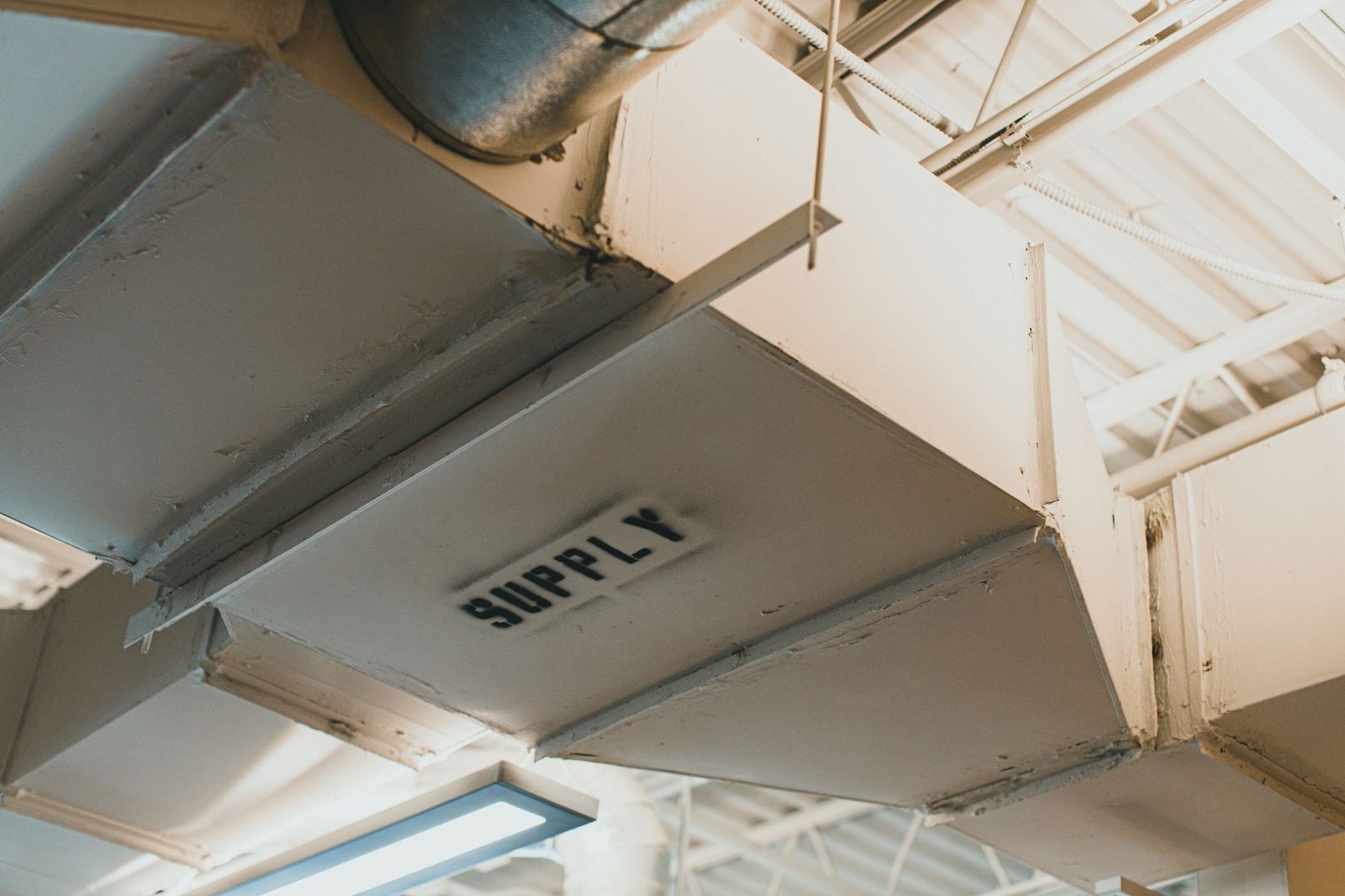
Understanding the financial commitment for essential home maintenance tasks is crucial for responsible property management. For professional duct cleaning services in 2026, homeowners can generally anticipate costs ranging from $400 to $1000 for an average residential system. This range is influenced by a multitude of factors, including the property’s size, the HVAC system’s complexity, and the extent of contamination. Investing in this service is a pivotal step towards maintaining optimal indoor air quality and ensuring the efficient operation of a home’s heating, ventilation, and air conditioning (HVAC) system.
As of 2026, the emphasis on home wellness and energy efficiency continues to drive demand for comprehensive duct cleaning. The cost reflects not only labor and basic equipment but also the integration of modern technologies and adherence to stringent health standards that have become increasingly prevalent in the industry.
Factors Influencing Duct Cleaning Costs in 2026
Several variables contribute to the final price quote for professional duct cleaning. A thorough understanding of these factors enables homeowners to budget more accurately and appreciate the scope of work involved.
System Size and Complexity
The physical dimensions of the property and the intricacy of its ductwork are primary cost drivers. Larger homes, especially those exceeding 3,000 square feet, possess more extensive duct networks and often multiple HVAC units or zoning systems, naturally requiring more time and resources to clean. Properties with custom-built duct configurations or older homes with less accessible systems may also incur higher charges due to increased labor and specialized access requirements.
Level of Contamination
The state of the ductwork significantly impacts the cleaning process. Ducts heavily laden with dust, pet dander, or significant allergen buildup will demand more intensive cleaning. The presence of mold, mildew, or evidence of pest infestations (such as rodent droppings or insect nests) necessitates specialized remediation techniques, often involving antimicrobial treatments and more extensive labor, which adds to the overall cost. Post-construction properties frequently require a deeper clean to remove residual building debris like sawdust and drywall dust.
Type of HVAC System
While standard forced-air systems are common, the type and number of integrated components can influence pricing. A comprehensive service typically includes cleaning the supply and return air ducts, registers, grilles, and the furnace’s primary components (e.g., the blower motor and evaporator coil). Add-on services, such as dryer vent cleaning, furnace fan cleaning, or the installation of increasingly popular UV-C light sterilization systems for continuous air purification, will result in additional charges.
Accessibility of Ductwork
Ease of access to the ductwork can significantly affect labor time. Ducts located in easily accessible areas like basements, attics, or open crawl spaces are generally simpler to service. Conversely, ductwork concealed behind finished walls, in tight ceiling spaces, or within complex architectural designs can increase costs due to the need for careful maneuverability, specialized tools, or potentially minor structural access adjustments.
Geographic Location
Service costs are subject to regional economic variations. Metropolitan and high-cost-of-living areas typically have higher labor rates and operational overheads, translating to higher service fees compared to rural or less populous regions.
Service Provider and Equipment
Reputable companies that invest in advanced, state-of-the-art equipment and employ certified technicians often charge more, reflecting the superior quality and effectiveness of their service. In 2026, this includes the use of high-powered, HEPA-filtered vacuum systems, rotary brush mechanisms, and sophisticated robotic inspection cameras. Certification from organizations such as the National Air Duct Cleaners Association (NADCA) signifies adherence to industry best practices and a commitment to quality, often correlating with a higher but justifiable service fee.
Modern Trends and 2026 Innovations in Duct Cleaning
The duct cleaning industry in 2026 is characterized by technological advancements and an intensified focus on holistic indoor air quality.
Enhanced Air Quality Focus
The heightened awareness stemming from recent global health concerns continues to drive consumer demand for exceptional indoor air quality. This has led to a greater integration of duct cleaning with overall home wellness strategies. Many modern systems can now interface with smart home air quality monitoring solutions, providing residents with real-time data on particulate matter and volatile organic compounds (VOCs), thus informing maintenance decisions.
Advanced Equipment and Techniques
- Robotic Inspection: Miniature robotic cameras have become more sophisticated, offering high-definition visual inspections of duct interiors, even in the most challenging access points. This allows for precise identification of problem areas and targeted cleaning strategies.
- HEPA Filtration Systems: The use of HEPA-filtered vacuum systems is now an industry standard, ensuring that airborne particles disturbed during cleaning are effectively captured and not recirculated back into the living environment.
- Antimicrobial and Sanitizing Treatments: Post-cleaning, the application of eco-friendly, long-lasting antimicrobial coatings is a growing trend. These treatments inhibit the future growth of mold, mildew, and bacteria, providing extended protection and contributing to a healthier air stream.
- UV-C Light Integration: A significant number of homeowners are opting to install UV-C germicidal lamps within their HVAC systems immediately after a professional cleaning. These lights offer continuous air purification by neutralizing airborne pathogens and mold spores, complementing the cleanliness achieved through duct cleaning.
Sustainable Practices
The industry is increasingly adopting sustainable methods, focusing on non-toxic, biodegradable cleaning agents and minimizing environmental impact. This includes responsible disposal of collected debris and a conscious effort to reduce the carbon footprint associated with service operations.
Understanding the Value: Beyond the Price Tag
While the initial cost is a consideration, the long-term benefits of professional duct cleaning extend far beyond the immediate expense, positioning it as an investment in a home’s comfort and value.
- Improved Indoor Air Quality: The removal of accumulated dust, allergens, pet dander, and other pollutants significantly enhances the air quality within the residence, which is particularly beneficial for individuals with allergies, asthma, or other respiratory sensitivities.
- Enhanced HVAC Efficiency: Clean ducts allow the HVAC system to operate more efficiently. When airflow is unobstructed, the system expends less energy to maintain desired temperatures, potentially leading to lower energy bills and reduced wear and tear on components, thereby extending the system’s lifespan.
- Odor Elimination: Professional cleaning eliminates stale or musty odors caused by trapped debris, mold, or past infestations, contributing to a fresher and more pleasant living environment.
- Prevention of Costly Repairs: During the cleaning process, technicians can identify and address minor issues such as small leaks, disconnected ducts, or impending mechanical failures within the HVAC unit, preventing them from escalating into more expensive repairs down the line.
Average Cost Breakdown for Common Home Types (2026 Estimates)
To provide a more granular perspective, here are general cost estimates for different property sizes in 2026:
- Small Homes/Apartments (up to 1,500 sq ft): Typically range from $350 – $600, reflecting less extensive ductwork and fewer registers.
- Medium Homes (1,500 – 3,000 sq ft): Generally fall within $500 – $900, representing the most common residential range.
- Large Homes (over 3,000 sq ft) or Multiple Systems: Costs can range from $800 – $1,500+, indicative of greater complexity and larger systems.
Specific Add-ons:
- Dryer Vent Cleaning: An additional $100-$200, crucial for fire safety and efficiency.
- Antimicrobial Treatment: Expect an extra $150-$300 for comprehensive application.
- Extensive Mold Remediation: If significant mold is discovered, remediation can add $500-$1000+, often quoted as a separate, specialized service.
When to Invest in Professional Duct Cleaning
While a general recommendation is to have ducts cleaned every 3 to 5 years, specific circumstances warrant more immediate attention:
- New Home Purchase: Particularly if the previous occupants had pets, allergies, or if the property is older, cleaning provides a fresh start.
- After Renovation/Construction: To remove significant amounts of sawdust, drywall dust, and other construction debris that can contaminate the system.
- Post-Pest Infestation: If rodents or insects have nested or traveled through the ductwork, a thorough cleaning and sanitization are essential.
- Visible Mold Growth: Any suspicion or visible signs of mold near registers or within accessible ductwork necessitates professional intervention.
- Increased Allergy Symptoms: If residents experience unexplained increases in allergy symptoms, respiratory issues, or persistent coughing when indoors, contaminated ducts could be a contributing factor.
Conclusion
Professional duct cleaning in 2026 is an indispensable component of maintaining a healthy, efficient, and comfortable living environment. While the cost is a consideration, the long-term benefits of improved indoor air quality, enhanced HVAC system efficiency, and potential energy savings typically outweigh the initial investment. Homeowners are advised to seek quotes from multiple certified professionals, ensuring a transparent breakdown of services and costs. Prioritizing this essential maintenance task contributes significantly to a home’s overall wellness and comfort for years to come.