When considering optimal space utilization within residential environments in 2026, the choice between built-in and freestanding bookshelves presents a significant design dilemma. While both options offer distinct advantages for organizing literary collections and displaying decorative items, built-in solutions generally maximize space more effectively by seamlessly integrating with the existing architecture. However, freestanding units offer unparalleled flexibility and adaptability, proving superior in dynamic or transient settings.
The decision involves a careful evaluation of aesthetic goals, practical needs, budgetary constraints, and the homeowner’s long-term vision for the property. As interior design trends lean towards intelligent storage and versatile living, understanding the nuances of each system is crucial for achieving both functional efficiency and elevated domestic comfort.
Built-in Bookshelves: The Integrated Solution
Built-in bookshelves, custom-designed to fit specific alcoves, walls, or architectural features, offer a sophisticated and permanent storage solution. Their integration with the home’s structure creates a cohesive and custom-tailored appearance.
Space Maximization
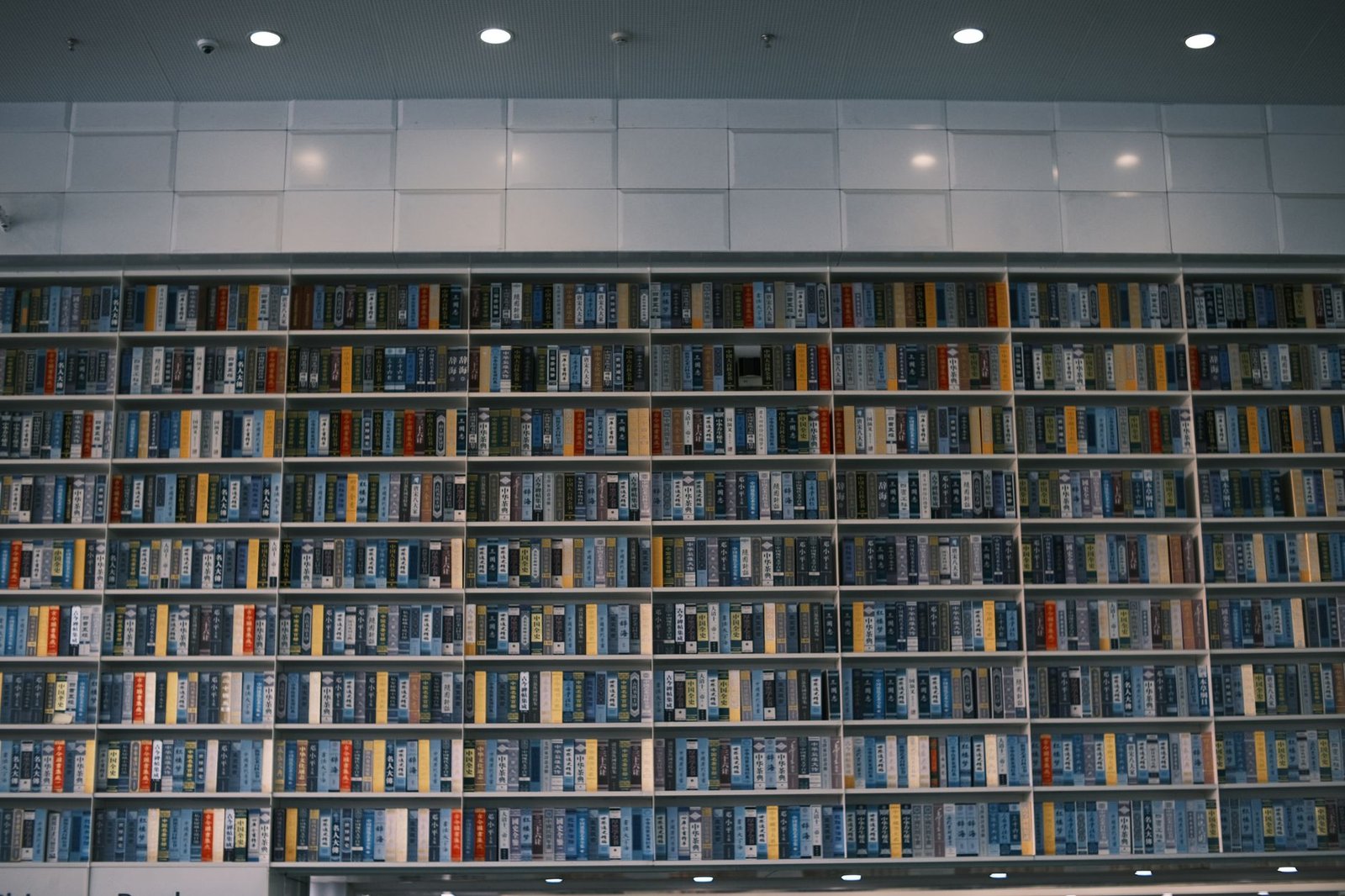
Built-ins are inherently superior for maximizing space. By utilizing every available inch, including awkward corners or wall irregularities, they eliminate wasted space that freestanding units often leave. This bespoke approach allows for floor-to-ceiling designs, maximizing vertical storage and creating a sense of expansive order. Integrated lighting, often seen in 2026 designs, further enhances functionality without adding bulk.
Aesthetic Impact
The aesthetic contribution of built-in bookshelves is profound. They become an architectural feature, elevating a room’s perceived value and design sophistication. Finishes can be perfectly matched to existing millwork or introduce a contrasting element, creating a focal point. Modern designs in 2026 frequently feature minimalist profiles, concealed hardware, and innovative material blends such as sustainable hardwoods, matte-finished recycled composites, or even integrated translucent bioplastic panels for unique light dispersion.
Cost Implications
The initial investment for built-in bookshelves is typically higher than for freestanding alternatives due to custom design, materials, and professional installation. However, this investment can be justified by the added resale value and the creation of a truly bespoke interior. Costs vary significantly based on material choices (e.g., high-quality reclaimed timber versus engineered wood products) and complexity of design (e.g., integrated smart lighting systems, hidden compartments).
Installation and Permanence
Installation of built-ins is a construction project requiring precise measurements and skilled craftsmanship. Once installed, these units are permanent fixtures. This permanence means less flexibility for rearrangement but offers robust stability and durability. Future renovations involving built-ins require professional demolition and potential patching, a consideration for homeowners anticipating frequent design changes.
2026 Trends & Materials for Built-ins
- Smart Integration: Expect built-ins with seamlessly integrated smart lighting (tunable white and RGB LED strips controlled by voice or app), hidden wireless charging stations, and discreet cable management for media components.
- Sustainable Composites: Beyond traditional wood, 2026 sees a rise in high-performance, aesthetically pleasing sustainable composites, including bamboo laminates, recycled content panels with sophisticated finishes, and mycelium-based design elements for texture.
- Biophilic Elements: Integrated planters or display areas for preserved moss walls are gaining popularity, bringing natural elements indoors for enhanced well-being.
- Multi-functional Design: Built-ins are increasingly incorporating hidden desks, pull-out display panels, or even concealed doors leading to other rooms, catering to flexible living spaces.
Freestanding Bookshelves: Adaptability and Accessibility
Freestanding bookshelves offer a flexible and often more immediate solution for storage needs, appealing to those who value adaptability.
Space Utilization
While generally less efficient than built-ins for maximizing every millimeter, modern freestanding units are designed with clever space-saving features. Slim profiles, modular components, and vertical designs help optimize available floor space. Their ability to be moved and repositioned allows for dynamic use of a room, which can be beneficial in smaller or multi-purpose areas where flexibility is paramount.
Aesthetic Versatility
Freestanding bookshelves come in an immense variety of styles, materials, and finishes, making it easy to find a piece that complements or contrasts with existing decor. From industrial chic metal frameworks to minimalist Scandinavian designs, the aesthetic impact is immediate and changeable. Current trends in 2026 favor modular units with clean lines, mixed material compositions (e.g., metal and glass, lightweight concrete and wood), and a focus on visual lightness.
Cost-Effectiveness
Generally, freestanding bookshelves represent a more budget-friendly option. A wide price range exists, from mass-produced, economical units to high-end designer pieces. The absence of custom labor costs significantly reduces the overall expense, making quality storage accessible to a broader audience.
Installation and Flexibility
Installation for freestanding units is typically straightforward, often requiring only basic assembly. Their primary advantage lies in their flexibility: they can be relocated within a room, moved to a different property, or repurposed entirely. This makes them ideal for renters or homeowners who anticipate future relocation or frequent redecoration.
2026 Innovations for Freestanding Units
- Lightweight and Durable Materials: Advanced composites and engineered woods with high strength-to-weight ratios are prevalent, making units easier to move. Anodized aluminum and recycled steel are also popular for their durability and sleek appearance.
- Modular and Reconfigurable Systems: Many 2026 designs feature clip-together or interlocking systems, allowing homeowners to expand, reconfigure, or adapt their shelving to evolving storage needs or room layouts.
- Integrated Smart Features: Some premium freestanding units now include discreet, battery-powered LED lighting with motion sensors or adjustable shelving mechanisms.
- Bioplastic and Recycled Content: The use of transparent, recycled acrylics or bioplastics for shelves and side panels adds a contemporary, eco-conscious touch while maintaining visual openness.
Making the Informed Choice: Factors for the Homeowner
The optimal choice between built-in and freestanding bookshelves depends on a careful assessment of individual circumstances.
Room Size and Layout
- Small Rooms: Built-ins are excellent for maximizing storage in tight spaces by utilizing vertical dimensions and unusual architectural nooks, creating a seamless, less cluttered feel.
- Large Rooms: Both options work well. Built-ins can define a wall or create a library-like ambiance, while large, modular freestanding units can serve as room dividers or flexible storage zones.
- Awkward Spaces: Built-ins excel in custom-fitting areas like sloped ceilings, around windows, or under stairs, transforming otherwise unusable space into functional storage.
Storage Needs and Collection Size
For extensive literary collections or significant display items, built-ins offer the robust support and capacity often required. They can be engineered to bear substantial weight and accommodate varied dimensions. For smaller, evolving collections or temporary storage, freestanding units provide sufficient capacity with the added benefit of adaptability.
Budgetary Considerations
The budget often dictates the choice. Freestanding units are generally more accessible from a cost perspective, offering immediate solutions. Built-ins require a larger upfront investment but contribute to long-term property value and a high-end finish.
Long-Term Vision and Resale Value
Homeowners planning to stay in a property for an extended period may find the investment in built-ins highly beneficial, as they often enhance a home’s perceived value and offer enduring aesthetic appeal. For those expecting to move within a few years, freestanding units provide practicality and ease of relocation.
Conclusion
In 2026, the discussion around built-in versus freestanding bookshelves transcends mere storage; it encompasses an understanding of domestic comfort, aesthetic aspirations, and spatial efficiency. While built-in bookshelves unequivocally maximize space by offering unparalleled integration and customization, their permanence and higher cost require a significant commitment. Conversely, freestanding bookshelves champion adaptability, cost-effectiveness, and ease of relocation, providing versatile solutions for dynamic lifestyles. The optimal choice ultimately aligns with the homeowner’s specific needs, design preferences, and long-term vision for their living environment, balancing maximum space utilization with practical flexibility.