
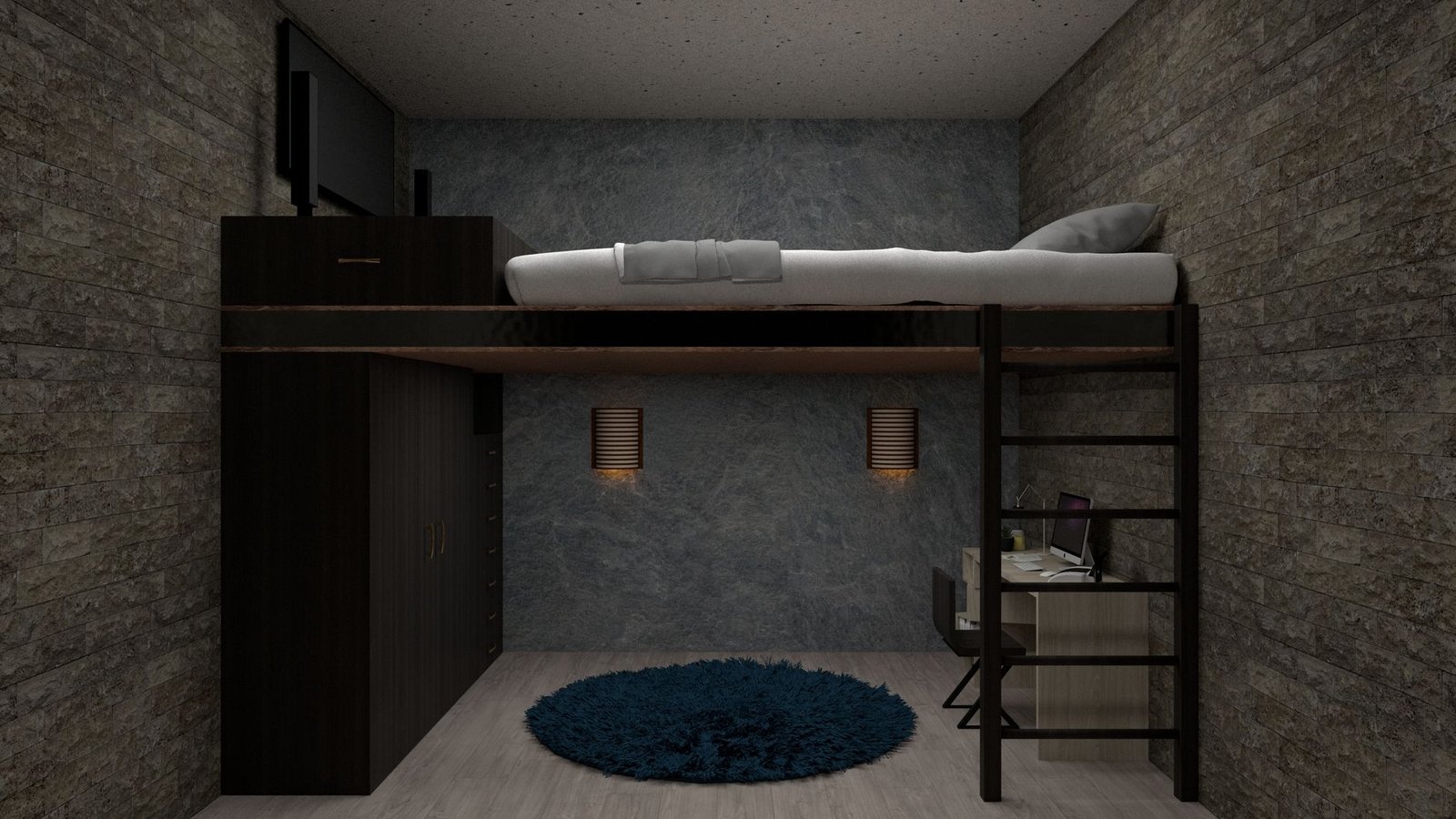
When seeking to enlarge the perceived dimensions of compact interiors, the choice between dark and light paint colors remains a perennial topic for homeowners. Conventionally, light paint colors are believed to expand a room visually, creating an airy and open feel. However, the sophisticated interior design strategies of 2026 reveal that dark colors, when applied judiciously, can also contribute to an illusion of greater depth and intrigue, rather than simply making a space feel smaller.
The Enduring Appeal of Light Hues for Expansive Effects
For decades, light paint colors have been the go-to solution for maximizing the perceived size of a small room. The principle is simple: light colors reflect more ambient and natural light, making walls appear to recede and opening up the space. This optical illusion creates an impression of greater square footage.
2026 Trends in Light Palettes and Finishes
- Muted Neutrals: Soft whites, barely-there grays, and warm off-whites continue their dominance in 2026. These hues provide a serene backdrop, allowing natural light to bounce effortlessly around the room.
- Subtle Pastels: The year 2026 sees a rise in sophisticated, desaturated pastels such as sage green, dusty blue, and blush pink. These colors inject personality without overwhelming a small space, maintaining a light and airy ambiance.
- Advanced Matte Finishes: Modern material developments in 2026 include ultra-matte paints with enhanced light-diffusing properties. These finishes absorb harsh glares while still reflecting sufficient light, creating a soft, expansive glow that avoids the flat look of older matte formulations.
- Bio-Based Formulations: Sustainable, low-VOC, and bio-based light paints are not just eco-friendly; their clean, non-toxic composition contributes to a fresher, more open atmosphere within the home.
The strategic application of light colors can truly transform a cramped area into a welcoming sanctuary. The resident observes a brighter, more open environment, promoting a sense of calm and spaciousness.
The Strategic Depth of Darker Palettes
Counter-intuitive as it may seem, dark paint colors can also make a small room feel larger or at least create a profound sense of depth and luxury. Instead of making walls recede, deep hues can blur the boundaries of a room, making it difficult for the eye to discern where walls begin and end, thus creating an ‘infinite’ perception.
2026 Trends in Dark Palettes and Application
- Rich, Saturated Tones: Deep charcoals, midnight blues, forest greens, and even sophisticated aubergine shades are prominent in 2026. These colors are chosen for their ability to create a ‘jewel box’ effect, enveloping the resident in a sophisticated and intimate embrace.
- Textured & Pigmented Paints: Innovations in 2026 offer paints with subtle metallic flecks or fine textural elements that catch and play with light, adding complexity and depth to dark walls without making them feel heavy.
- Monochromatic Schemes: Employing varying shades of a single dark color on walls, trim, and even ceiling can erase lines of demarcation, making the room feel like a continuous, boundless space.
- Dark Ceiling Strategy: Painting the ceiling the same dark color as the walls can create an immersive, boundless effect, making it difficult to perceive the true height of the room and often making the space feel taller or more expansive upwards.
When implementing dark colors, the homeowner must consider natural light availability. Rooms with ample light can carry dark tones more effectively, transforming into dramatic and inviting spaces. In contrast, poorly lit rooms might feel cavernous if not balanced with strategic lighting and reflective elements.
Strategic Application: Beyond Simple Color Choices in 2026
The perceived size of a room is not solely dependent on the lightness or darkness of the paint, but also on how colors are applied in conjunction with modern design principles and materials.
Modern Techniques for Visual Expansion
- Feature Walls: A single dark accent wall in an otherwise light room can create a focal point and draw the eye, making the room feel deeper. The key is balance; the surrounding light walls prevent the space from feeling enclosed.
- Seamless Transitions: Using the same paint color on walls and trim in a satin or eggshell finish blurs the architectural lines, allowing the eye to sweep across the room without interruption, thus enhancing the feeling of spaciousness.
- Vertical Stripes (Subtle): For rooms with lower ceilings, very subtle vertical stripes, even tone-on-tone, can draw the eye upwards, creating the illusion of height.
- Reflective Surfaces: Integrating high-gloss or semi-gloss finishes on one or more walls, particularly in dark hues, can reflect light and surroundings, adding an unexpected layer of depth and visual interest. This technique is particularly impactful in 2026 with durable, high-sheen sustainable paints.
Beyond Paint: Complementary Elements for Perceived Space
Paint is a powerful tool, but it works best in concert with other interior design elements to truly amplify the sense of space.
- Strategic Lighting: Layered lighting, including recessed lighting, wall sconces, and uplights, can eliminate dark corners and create an even, expansive glow. Smart lighting systems prevalent in 2026 allow dynamic adjustments to match mood and time of day, enhancing spatial perception.
- Mirrors: Strategically placed large mirrors reflect light and the room itself, effectively doubling the perceived space.
- Furniture Proportion: Choosing appropriately sized furniture, avoiding oversized pieces, and opting for items with visible legs allows light and sightlines to pass through, reducing visual clutter.
- Window Treatments: Maximizing natural light is crucial. Sheer, light-colored curtains or blinds that recede into the wall allow maximum light ingress. Mounting curtains high and wide can also make windows appear larger and ceilings taller.
- Decluttering: Regardless of paint choice, a clutter-free environment is paramount for making any small space feel larger and more inviting.
Conclusion: Nuance Over Simplification
In 2026, the question of whether dark or light paint colors make small rooms look bigger is answered with nuance. While light colors reliably expand a space by reflecting light and creating an airy feel, dark colors can surprisingly achieve a sense of depth and boundless sophistication when used thoughtfully. The homeowner’s decision should be guided by the desired mood, the amount of natural light available, and a willingness to explore modern paint technologies and strategic application techniques. Ultimately, thoughtful design, rather than a rigid adherence to a single color rule, unlocks the true potential of any compact interior.