
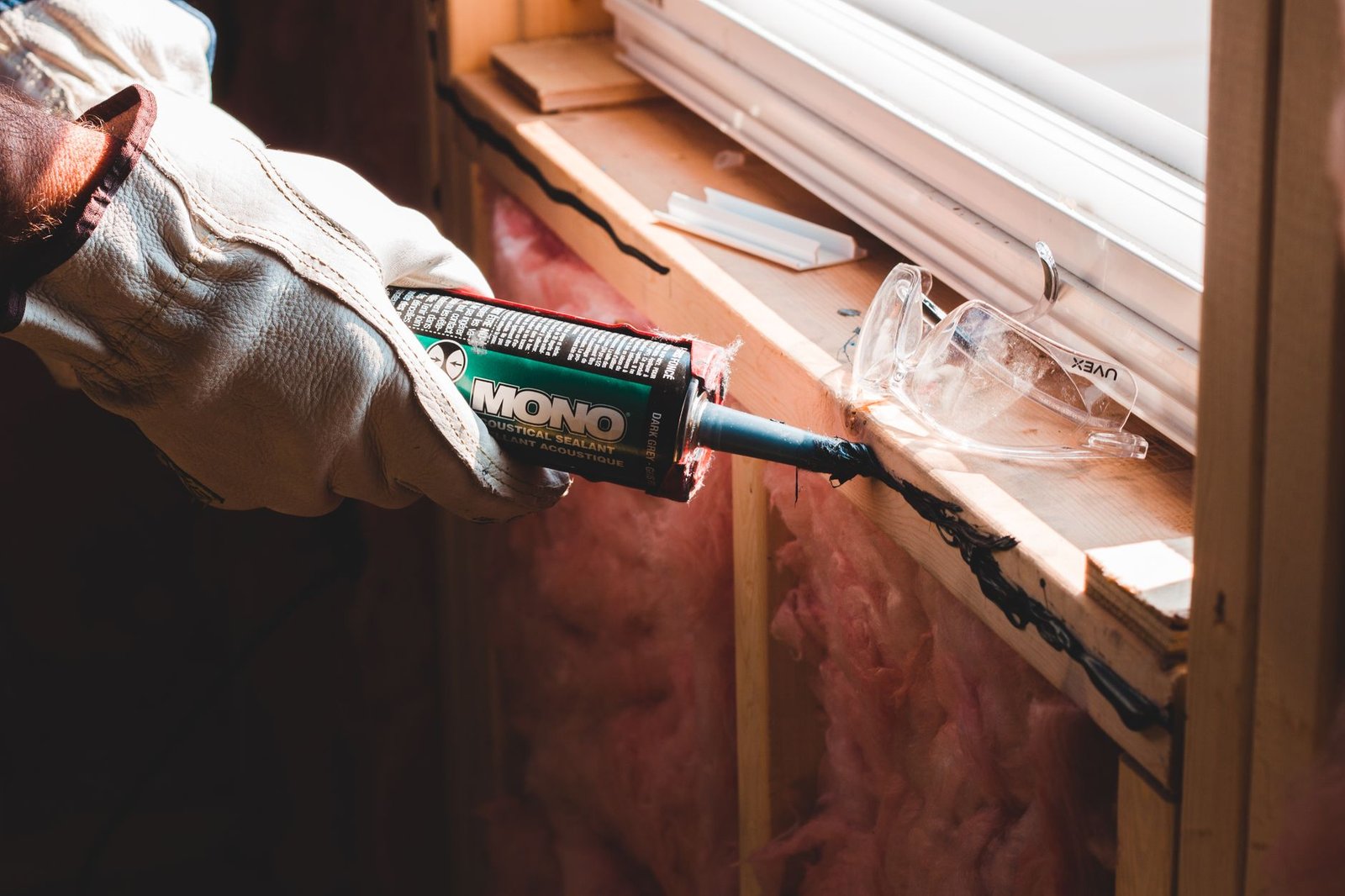
A common concern for residents is the unwelcome chill emanating from drafty windows, significantly impacting indoor comfort and escalating heating costs. Addressing these drafts through practical, do-it-yourself solutions can dramatically enhance a home’s energy efficiency and overall warmth, a critical consideration for properties in 2026. This guide provides actionable steps to seal leaks, improve insulation, and secure a more comfortable living environment.
Understanding Window Drafts in 2026 Homes
The modern home, regardless of its construction age, can fall victim to energy-sapping window drafts. While older properties with deteriorating frames and seals are often primary culprits, even newer constructions can develop gaps due to settling, material expansion and contraction, or installation imperfections. These air leaks not only create uncomfortable cold spots but also force heating, ventilation, and air conditioning (HVAC) systems to work harder, leading to increased energy consumption and a less stable indoor climate.
The Modern Homeowner’s Challenge
For the contemporary resident, ensuring an airtight home envelope is paramount. The challenge extends beyond mere discomfort; drafts can compromise indoor air quality by drawing in unfiltered outside air and create environments where moisture issues might arise. Recognizing the subtle signs of a draft – a flickering curtain, a cold spot on the floor, or higher-than-expected utility bills – is the first step toward reclaiming comfort and efficiency. As sustainability becomes a core tenet of modern living, optimizing every aspect of the home’s performance is increasingly important.
Why Prioritize Draft Sealing Now?
The imperative to address window drafts in 2026 is driven by several factors. Energy costs continue to be a significant line item in household budgets, making any measure that reduces consumption financially beneficial. Furthermore, with a growing emphasis on smart home integration and data-driven energy management, homeowners are more attuned to their property’s thermal performance. Proactive draft sealing aligns with current industry trends favoring holistic home wellness, where every component contributes to an optimized, environmentally responsible, and comfortable living space.
5 DIY Fixes for Enhanced Window Comfort
Implementing these practical strategies can empower residents to significantly reduce drafts and improve their home’s thermal integrity without requiring professional intervention.
Fix 1: Advanced Weatherstripping Solutions
Weatherstripping remains a foundational defense against window drafts, with 2026 seeing the increased popularity of more durable and effective materials. Silicone-based compression seals offer exceptional longevity and resistance to extreme temperatures, maintaining flexibility over years. EPDM rubber weatherstripping provides a robust, resilient barrier, ideal for high-traffic windows. For the ultimate seal, magnetic weatherstripping, particularly for certain window types, creates an impressively tight closure. When applying, the surface must be meticulously cleaned to ensure optimal adhesion, and precise measurements are crucial for a seamless fit, preventing gaps that could undermine effectiveness.
Fix 2: High-Performance Caulk and Sealants
Sealing stationary gaps around window frames is vital. Modern advancements in sealants for 2026 include low-VOC (volatile organic compound) acrylic latex caulk with silicone additives. This blend offers superior flexibility, adheres well to various surfaces, is paintable, and resists cracking, ensuring a long-lasting seal. For larger, more irregular gaps, expanding foam sealants provide an excellent insulation and air barrier, but must be used judiciously to avoid over-expansion. Careful application, ensuring the caulk bead is consistent and smooth, is essential, followed by immediate smoothing with a caulk tool or dampened finger for a professional finish.
Fix 3: Interior Storm Window Inserts
For an added layer of insulation without altering a property’s exterior aesthetics, interior storm window inserts are a sophisticated solution for 2026. These typically consist of clear acrylic or polycarbonate panels that are custom-cut to fit precisely within the existing window frame. Many modern versions feature magnetic mounting systems, allowing for easy installation and removal for cleaning or seasonal changes. They create an insulating air pocket between the existing window and the insert, significantly reducing heat transfer and mitigating drafts. Accurate measurements are critical to ensure a snug, effective seal.
Fix 4: Insulating Window Films and Treatments
Window films and treatments offer versatile ways to combat drafts and improve thermal performance. Low-e (low-emissivity) window films are particularly relevant, working year-round to reflect heat in summer and retain it indoors during winter, thereby reducing radiant heat loss through glass. For DIY application, the glass must be immaculately clean, and the film applied smoothly with a squeegee to avoid bubbles. Complementing films, substantial window treatments like heavy thermal curtains or blinds made from densely woven, often recycled or natural fibers, provide an additional physical barrier against drafts and cold glass surfaces. Proper installation ensures they cover the entire window opening.
Fix 5: Minor Frame and Sash Adjustments
Sometimes, drafts stem from issues within the window’s operational components rather than just gaps. Regular inspection of window hardware is essential. For double-hung windows, adjusting the tension on sash balances or ensuring that sash locks pull the sashes tightly together can eliminate small but persistent leaks. Similarly, tightening loose screws on hardware can restore proper functionality and sealing. While severe warping of frames may require professional attention, minor adjustments or the strategic application of weatherstripping in compromised areas can often restore a satisfactory seal, particularly with the enhanced adjustability features seen in some modern window designs.
Beyond the Fixes: Long-Term Window Wellness
While DIY solutions offer immediate relief, maintaining a proactive approach to window health ensures sustained comfort and efficiency.
Regular Maintenance and Inspection
Seasonal checks are invaluable for identifying emerging issues before they become significant problems. Residents should routinely inspect weatherstripping for cracks or hardening, examine caulk for signs of deterioration, and check window sashes for smooth operation and tight closure. Cleaning tracks and ensuring drainage holes are clear prevents moisture buildup, which can compromise seals and lead to material degradation over time. This ongoing vigilance is key to preserving the integrity of the home’s thermal envelope.
Considering Professional Assessment
If extensive drafts persist despite diligent DIY efforts, or if significant structural issues are suspected, a professional energy audit is recommended. Specialists can use tools like infrared cameras to pinpoint exact areas of heat loss that are not visible to the naked eye. In cases where window frames are severely warped, glass is compromised, or existing windows are simply too old and inefficient (e.g., single-pane), replacement with modern, high-performance units may be the most cost-effective long-term solution. 2026 offerings include advanced triple-pane windows with inert gas fills (like krypton or argon) and warm-edge spacers, offering vastly superior insulation and noise reduction.
The Environmental and Economic Impact
By effectively sealing window drafts, homeowners contribute significantly to environmental sustainability by reducing their carbon footprint through decreased energy consumption. The economic benefits are equally compelling, with lower utility bills translating into substantial savings over time. Beyond the tangible financial and environmental advantages, a well-sealed home provides a noticeably more comfortable, quiet, and healthy living environment, enhancing the overall quality of life for its occupants and increasing the property’s market value.
Conclusion
Addressing drafty windows is a highly effective strategy for improving a home’s comfort and energy efficiency. The do-it-yourself fixes outlined, from advanced weatherstripping to insulating films and minor adjustments, offer accessible and impactful solutions for residents in 2026. By adopting a proactive stance on window maintenance, homeowners can ensure their living spaces remain warm, efficient, and comfortable for years to come, securing a return on investment both in terms of finances and enhanced domestic well-being.