
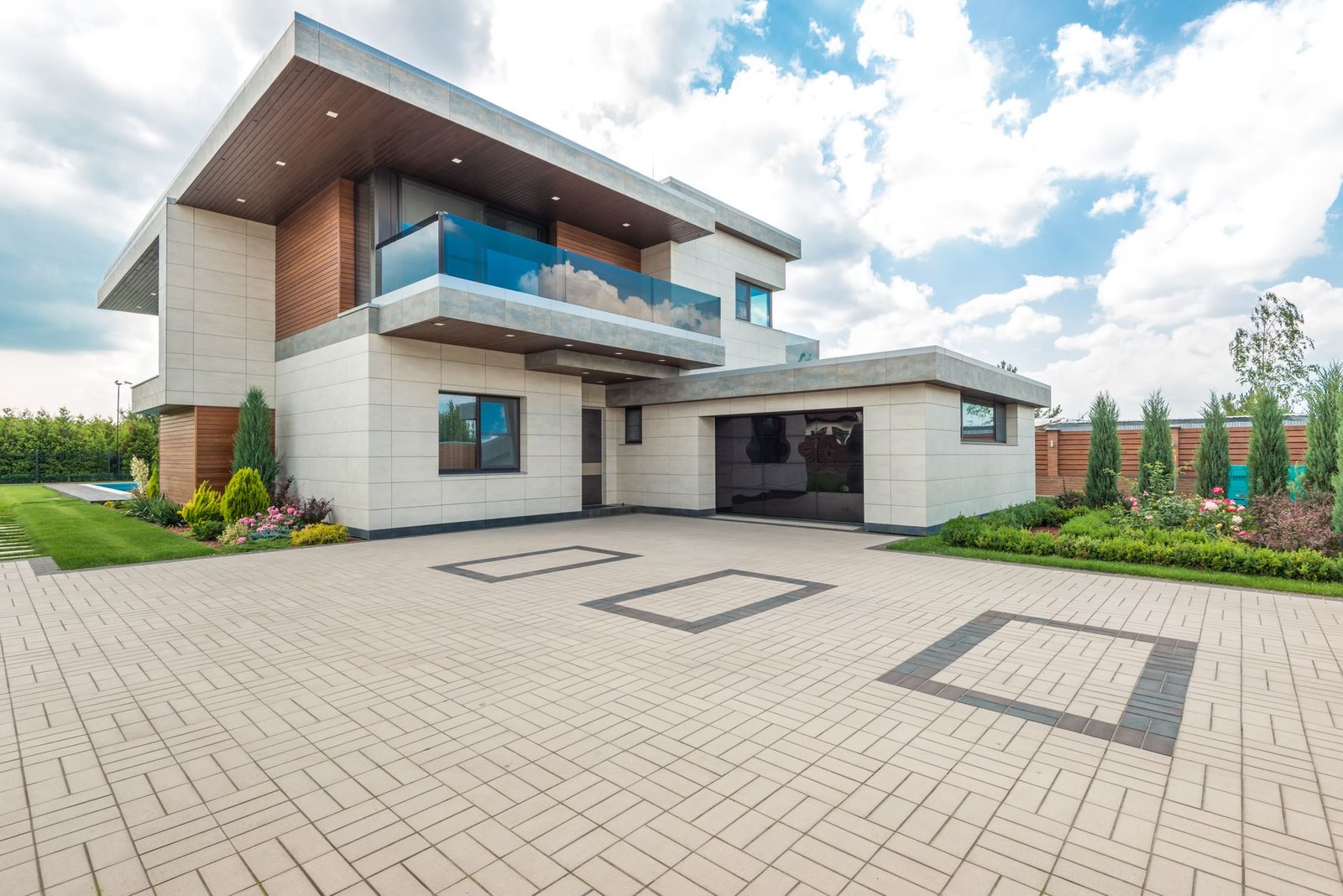
For homeowners planning a new driveway in 2026, the choice between concrete pavers and permeable paver systems involves weighing initial costs against long-term environmental benefits and evolving regulatory landscapes. While traditional concrete pavers continue to offer a reliable and aesthetically versatile solution, permeable systems are increasingly positioned as the superior choice for sustainability and modern stormwater management. Understanding the nuanced differences in environmental impact, cost, durability, and aesthetic appeal is crucial for making an informed decision that aligns with both property needs and contemporary environmental stewardship.
Understanding the Paver Landscape in 2026
The construction and landscaping industries continue to innovate, offering a wider array of materials and systems designed to meet both aesthetic desires and ecological imperatives. The 2026 market reflects a growing demand for sustainable solutions, even in utilitarian spaces like driveways.
Traditional Concrete Pavers: Enduring Appeal
Traditional concrete pavers are interlocking units made from highly compressed concrete. They create a solid, durable surface renowned for its strength and load-bearing capacity. In 2026, advancements in manufacturing have led to concrete pavers with enhanced color retention, improved stain resistance through advanced sealants, and increased integration of recycled aggregates, contributing to a slightly reduced environmental footprint compared to older iterations. Their appeal remains strong due to a vast array of colors, shapes, and textures that can mimic natural stone or brick, offering timeless design flexibility.
Permeable Paver Systems: The Eco-Conscious Evolution
Permeable paver systems, also known as pervious pavers, are designed with intentional gaps between units, filled with aggregate, to allow rainwater to filter through to a specially designed sub-base. This sub-base typically consists of layers of graded stone, often separated by geotextile fabrics, which temporarily store and slowly release stormwater back into the ground. By 2026, permeable systems have seen significant refinement, incorporating advanced geofabrics for superior filtration, modular grid systems for easier installation, and diverse aggregate options. Some cutting-edge solutions even integrate smart drainage sensors for optimized performance, making them a cornerstone of green infrastructure planning.
Comparative Analysis: Key Decision Factors
Evaluating both paver types across critical factors reveals distinct advantages and disadvantages that warrant careful consideration by the resident.
Environmental Benefits & Stormwater Management
- Traditional Concrete Pavers: These are largely impervious surfaces. They contribute to stormwater runoff, which can overwhelm municipal drainage systems, leading to localized flooding, erosion, and pollution as it picks up contaminants. While some manufacturers are exploring lower carbon footprint concrete, the fundamental impact on stormwater remains significant.
- Permeable Paver Systems: This is where permeable pavers demonstrably excel. They significantly reduce stormwater runoff by allowing precipitation to percolate into the ground, recharging groundwater and mitigating flash floods. This natural filtration process helps remove pollutants, improving water quality. Permeable driveways also help reduce the urban heat island effect and can be critical for properties in areas with stringent stormwater management regulations or those seeking LEED certification. Many jurisdictions in 2026 offer incentives for their installation due to these environmental benefits.
Installation Costs & Long-Term Investment
- Traditional Concrete Pavers: Generally, the initial material cost for concrete pavers can be competitive, and their installation, while requiring proper base preparation, is often less complex than permeable systems. This usually translates to a lower upfront installation cost.
- Permeable Paver Systems: The initial investment for permeable pavers is typically higher. This is primarily due to the more extensive and specific sub-base requirements, including multiple layers of aggregate and specialized geofabrics, and the precise installation of the pavers and joint-filling aggregate. However, this higher initial cost can be offset by long-term savings. These include reduced or eliminated stormwater management fees (where applicable), less need for elaborate conventional drainage systems, and potential property value appreciation due to the sustainable features.
Durability & Maintenance
- Traditional Concrete Pavers: Known for their exceptional durability, concrete pavers can withstand heavy vehicular traffic and adverse weather conditions. Maintenance typically involves periodic cleaning, re-sanding of joints (every 2-5 years), and optional sealing to protect against stains and enhance color. Proper installation is crucial to prevent shifting and freeze-thaw damage.
- Permeable Paver Systems: Modern permeable pavers are engineered for equal, if not superior, durability, capable of supporting heavy loads. Their design inherently manages water, making them highly resistant to freeze-thaw cycles that can crack traditional impervious surfaces. Maintenance involves periodic vacuuming or sweeping of the joint aggregate to prevent clogging from debris and occasional refilling of the aggregate (typically every 5-10 years). Regular maintenance ensures optimal permeability performance.
Aesthetic Appeal & Design Versatility
- Traditional Concrete Pavers: These offer extensive design flexibility with a vast palette of colors, sizes, shapes, and patterns. They can create intricate designs and borders, complementing various architectural styles from traditional to contemporary. The solid surface allows for crisp lines and defined spaces.
- Permeable Paver Systems: The aesthetic range for permeable pavers has significantly expanded by 2026. While some designs emphasize the visible aggregate joints, many options now closely mimic the appearance of traditional pavers, offering similar color and texture choices. Furthermore, innovative permeable grid systems can be filled with grass or other groundcovers, allowing for a greener, more integrated landscape aesthetic that softens the hardscape and contributes to biodiversity.
Making the Right Choice for 2026
The optimal choice between concrete and permeable pavers hinges on a resident’s specific priorities, local conditions, and long-term vision for the property.
Regulatory & Regional Considerations
As climate change adaptation and sustainable urban development become more pressing, many municipalities and regions have introduced or are considering incentives, rebates, or even mandates for permeable surfaces in new construction or significant renovations by 2026. The homeowner should consult local building codes and environmental agencies to understand any specific requirements or benefits tied to permeable installations in their area. Compliance with these evolving standards can often simplify project approvals and reduce long-term liabilities.
Project Scope & Budget Alignment
For projects where the absolute lowest initial cost is the primary driver, traditional concrete pavers, especially with modern enhancements, remain a viable option. However, for those prioritizing environmental responsibility, resilience against future weather events, and a long-term reduction in potential stormwater management costs, the higher upfront investment in a permeable system presents a compelling and sustainable choice. The resident should consider the total cost of ownership over the driveway’s lifespan, not just the initial outlay.
Future-Proofing the Driveway
Choosing a permeable paver system in 2026 is an investment in future-proofing a property. It aligns with global sustainability trends, enhances a property’s resilience to extreme weather, and contributes positively to local ecosystems. This approach reflects a forward-thinking perspective, potentially increasing property value and appeal to future buyers who prioritize environmentally conscious home features. While traditional concrete pavers offer proven reliability, the expanding benefits and decreasing installation complexities of permeable systems position them as the more adaptive and responsible choice for the evolving environmental landscape.
Ultimately, the decision rests on balancing immediate financial considerations with long-term ecological benefits and personal values. Both paver types offer distinct advantages, but the trajectory of urban planning and environmental science increasingly points towards permeable solutions as the preferred method for responsible hardscaping in 2026 and beyond.