
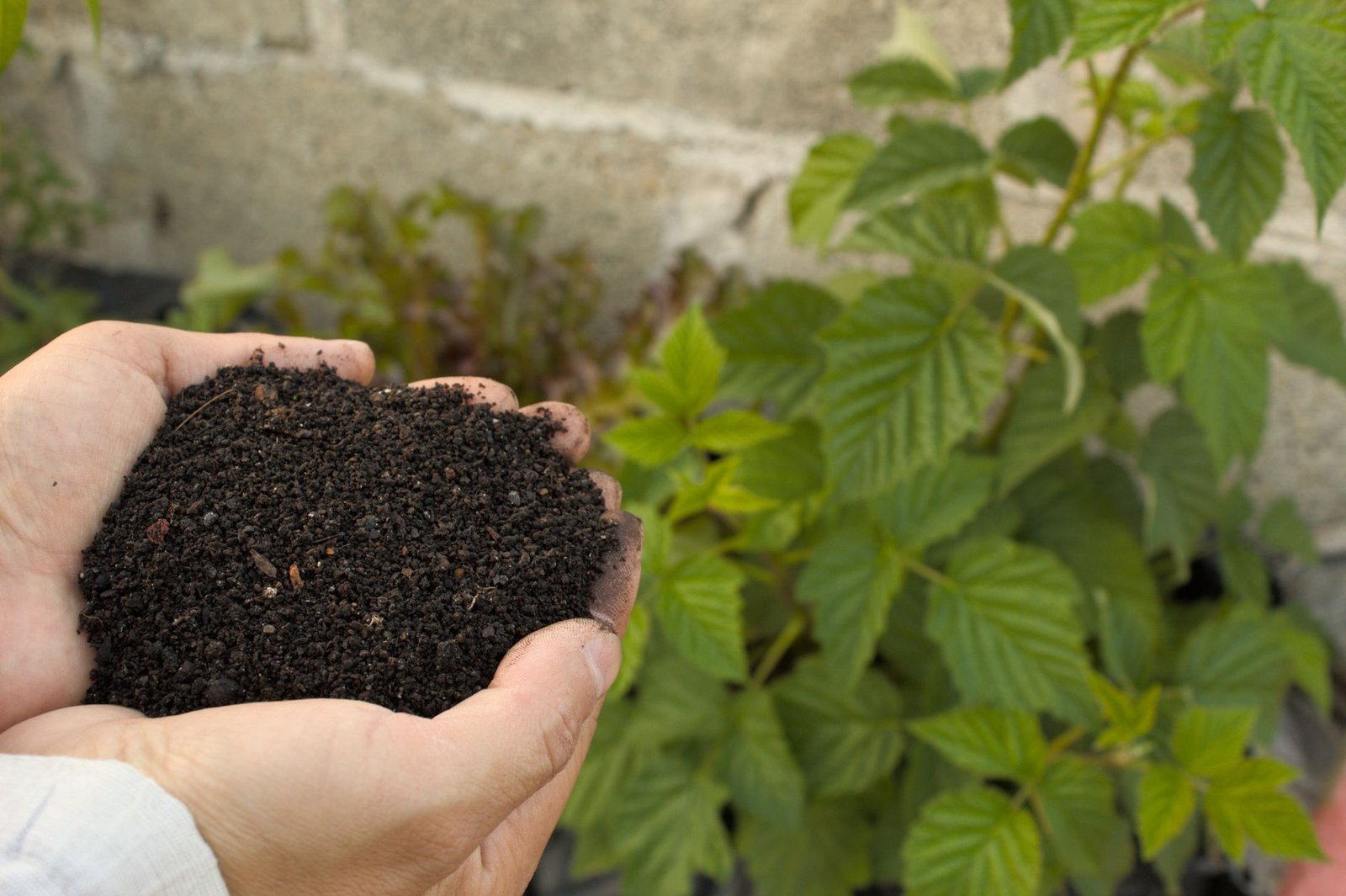
Vegetable Garden Not Producing? 6 Organic Soil Boosters for 2026
A vegetable garden yielding little or nothing can be a disheartening experience. Often, the root cause of diminished production lies not with the plants themselves, but within the soil they inhabit. For 2026, boosting soil health organically is paramount to unlocking robust yields and ensuring a bountiful harvest.
Understanding and addressing the underlying issues in garden soil is the first step towards revitalization. This guide explores common reasons for low vegetable garden yields and provides actionable, organic soil amendment and boosting strategies tailored for healthier production in the current year.
Common Reasons for Low Vegetable Garden Yields
Before implementing any boosters, it is crucial for the homeowner to identify potential issues hindering plant growth. Several factors can contribute to a non-producing garden:
- Nutrient Deficiency: Soil lacking essential macronutrients (nitrogen, phosphorus, potassium) or micronutrients (iron, zinc, manganese) will struggle to support healthy plant development and fruit set.
- Soil Compaction: Dense, compacted soil impedes root growth, restricts water penetration, and limits oxygen availability, all vital for robust plant health.
- pH Imbalance: Plants thrive within specific pH ranges. Soil that is too acidic or too alkaline can make nutrients unavailable to plants, even if they are present.
- Poor Drainage: Waterlogged soil suffocates roots and creates an anaerobic environment, fostering disease and preventing nutrient uptake.
- Low Organic Matter: Soil deficient in organic matter lacks the structure, water retention capacity, and microbial activity necessary for a vibrant ecosystem.
- Pest and Disease Pressure: While not a soil issue directly, weakened plants due to poor soil are more susceptible to pests and diseases, further reducing yields.
Understanding Soil Health for 2026
In 2026, the emphasis in sustainable gardening continues to shift towards a holistic view of soil health, recognizing it as a living ecosystem. Modern soil science highlights the critical role of the soil microbiome—the vast network of bacteria, fungi, protozoa, and other microorganisms—in nutrient cycling, disease suppression, and overall plant vitality. Trends indicate a move beyond simply adding NPK fertilizers to actively nurturing this underground community.
Furthermore, innovations in biochar production and the increasing availability of targeted microbial inoculants are making advanced soil amendment more accessible for the average resident. The focus is on building resilient soil structures that can naturally retain water, exchange gases, and provide sustained nutrition.
6 Organic Soil Boosters for Enhanced Production
Revitalizing garden soil organically offers a sustainable path to higher yields. Here are six highly effective organic soil boosters, with an eye towards 2026 advancements:
1. Rich Compost
Compost remains the cornerstone of organic gardening. It enriches soil with a broad spectrum of nutrients, improves soil structure, enhances water retention in sandy soils, and aids drainage in clay soils. Crucially, compost introduces a diverse array of beneficial microorganisms that decompose organic matter, making nutrients available to plants. For 2026, the use of diverse feedstock composts, including those incorporating local leaf litter and kitchen scraps, is encouraged for a balanced nutrient profile and microbial diversity.
2. Vermicompost (Worm Castings)
Often considered a superfood for soil, vermicompost is produced by earthworms consuming organic matter. It is exceptionally rich in readily available nutrients, beneficial microbes, and humic acids. Worm castings enhance germination rates, improve plant growth, and increase disease resistance. Modern trends for 2026 include home vermicomposting systems becoming more compact and efficient, making this powerful booster accessible for even urban residents. A small amount of vermicompost can yield significant benefits.
3. Cover Crops
Planting cover crops, such as clover, vetch, rye, or buckwheat, during fallow periods is an ancient practice gaining renewed scientific backing. These crops prevent soil erosion, suppress weeds, and, when tilled into the soil (green manure), significantly increase organic matter and improve soil structure. Leguminous cover crops also fix atmospheric nitrogen, enriching the soil naturally. The homeowner planning for 2026 can select specific cover crop mixes designed for their local climate and soil type, optimizing nutrient cycling and soil building.
4. Biochar
Biochar, a charcoal-like substance created by heating biomass in a low-oxygen environment, is a cutting-edge soil amendment. It provides an incredibly stable and porous habitat for beneficial microbes, improves water and nutrient retention, and can help sequester carbon. While an older technology, advancements in sustainable production and optimized application methods make biochar a prominent soil booster for 2026. Applying biochar, especially when charged with nutrients or compost tea, can create lasting improvements in soil fertility and structure.
5. Kelp Meal and Seaweed Extracts
Derived from sea algae, kelp meal is a powerhouse of micronutrients, trace elements, and plant growth hormones. It stimulates root development, enhances flowering and fruiting, and improves overall plant vigor. Liquid seaweed extracts offer similar benefits as a foliar spray or soil drench, providing a quick nutrient boost. For 2026, the sustainable harvesting of seaweed for agricultural use is a key focus, ensuring environmentally responsible sourcing of this potent organic amendment.
6. Targeted Microbial Inoculants
Building on the understanding of the soil microbiome, targeted microbial inoculants are becoming increasingly sophisticated. These products contain specific strains of beneficial bacteria (e.g., nitrogen-fixers, phosphorus-solubilizers) and mycorrhizal fungi. Mycorrhizal fungi form symbiotic relationships with plant roots, extending their reach and significantly improving nutrient and water uptake. In 2026, a wide array of specialized inoculants is available, allowing the resident to address specific soil deficiencies or enhance particular plant functions, providing a tailored boost to the garden’s underground ecosystem.
Implementing a 2026 Soil Health Plan
For the homeowner aiming for exceptional yields in 2026, integrating these organic boosters into a comprehensive soil health plan is essential. This involves:
- Soil Testing: Regularly testing the soil pH and nutrient levels provides crucial data for informed amendment decisions.
- Consistent Organic Matter Addition: Continual replenishment of organic matter through compost, mulching, and green manures builds long-term soil fertility.
- Minimizing Disturbance: Adopting no-till or minimal-till practices preserves soil structure and protects the delicate microbial networks.
- Diverse Plantings: Rotating crops and integrating companion planting supports a healthier soil ecosystem and reduces pest pressure.
- Observation: Regularly observing plant health and soil characteristics allows for timely adjustments and responsive care.
By focusing on nourishing the soil’s living systems with these organic boosters, the homeowner can transform a struggling vegetable patch into a highly productive garden, ensuring a delicious and abundant harvest in 2026 and beyond.