
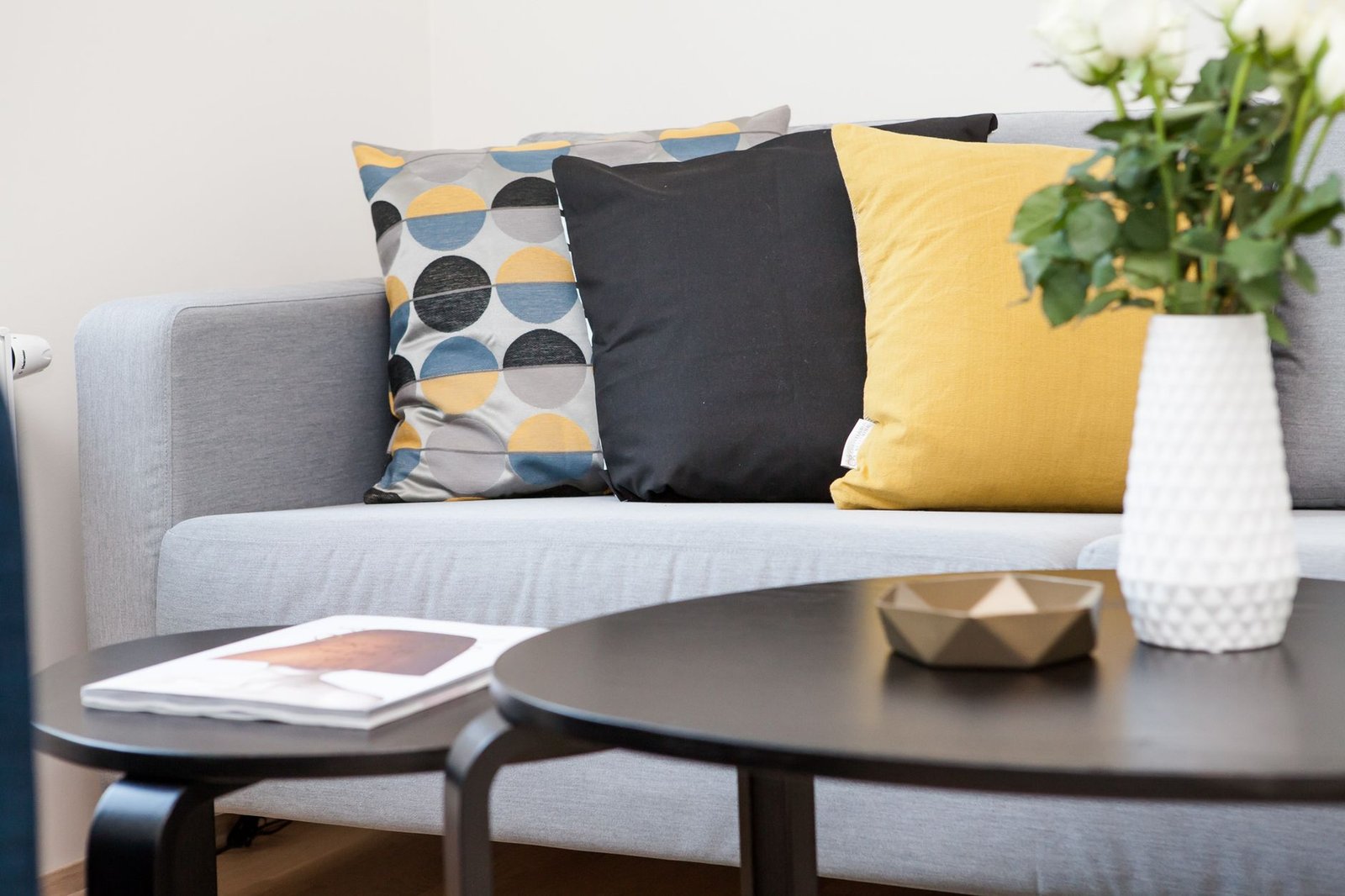
Determining the optimal interior design style for a rental property in 2026 hinges on balancing personal aesthetics with practical considerations like landlord restrictions, budget constraints, and ease of reversibility. The most effective approach for a resident is typically one that embraces flexibility, temporary solutions, and a focus on portable, impactful elements rather than permanent fixtures. Adaptable styles like minimalist, Scandinavian, eclectic, and biophilic are emerging as prime candidates, offering aesthetic appeal without requiring significant structural changes.
The Core Principles of Rental Design in 2026
For individuals residing in rental properties, design choices must inherently differ from those made by homeowners. The emphasis in 2026 remains on non-damaging modifications and investment in items that can be easily transported to future residences. This necessitates a strategic approach, prioritizing versatility and personal expression through reversible means.
- Temporary Transformations: Focus on elements that can be installed and removed without leaving a trace. This includes peel-and-stick wallpapers, removable floor tiles, and temporary window treatments.
- Budget-Conscious Choices: Financial prudence is key. Solutions that offer high impact for a lower cost, or investments in versatile pieces that serve multiple functions, are highly valued.
- Landlord Compliance: Always review the lease agreement for specific prohibitions regarding painting, drilling, or fixture replacement. Communication with property management can also clarify permissible alterations.
- Portability: Prioritize furniture and decor items that are easy to move. Modular furniture systems and lightweight pieces are particularly advantageous for renters.
Top Design Styles for Renters in 2026
Several design philosophies align perfectly with the needs of a modern renter, offering both style and practicality.
Scandinavian Simplicity
This enduring style continues to be a top choice due to its emphasis on functionality, natural materials, and a bright, airy aesthetic. It favors clean lines, neutral color palettes, and minimal clutter, which are all easily achievable in a rental. Residents can incorporate warmth through textiles like throws and rugs, and introduce plants for a touch of nature, all without permanent changes. The focus on light wood tones and white walls makes smaller rental spaces feel more expansive.
Modern Eclectic
The eclectic style thrives on mixing and matching, allowing for a highly personalized space. For a renter, this means freedom to combine vintage finds with contemporary pieces, incorporate varied textures, and display personal art collections. Its inherent flexibility allows the individual to adapt to existing landlord-provided elements while injecting unique character. The key is thoughtful curation to ensure cohesion rather than chaos.
Biophilic Design Lite
In 2026, the integration of nature into living spaces continues to gain traction. For renters, a ‘Biophilic Lite’ approach involves maximizing natural light, incorporating numerous houseplants (consider smart planters that manage watering), and utilizing natural materials like wood, jute, and linen in decor. This style enhances well-being and creates a calming atmosphere, all through non-permanent additions. Vertical gardens using tension rods or freestanding shelving units are excellent rental-friendly options.
Urban Minimalist
Characterized by uncluttered spaces, simple forms, and a focus on essential items, Urban Minimalist is ideal for smaller rental units. It prioritizes functionality and organization, which inherently makes spaces feel larger and more manageable. A neutral color scheme with pops of muted color, along with multi-functional furniture, are hallmarks. This style encourages careful consideration of each item’s purpose and visual impact.
Modern Materials and Trends for Rental Spaces in 2026
The year 2026 brings exciting advancements in materials and technology that cater specifically to the rental market’s needs for flexibility and reversibility.
- Advanced Peel-and-Stick Surfaces: Beyond traditional wallpaper, sophisticated peel-and-stick options now include faux tiles (ceramic, subway, mosaic), wood panels, and even textured wall coverings that mimic plaster or concrete. These offer dramatic transformations that are easily reversed.
- Smart Textiles and Modular Furniture: Smart textiles offer enhanced durability, stain resistance, and often sustainable origins, making them perfect for rental use. Modular furniture continues to evolve, with interlocking systems and reconfigurable components that adapt to different room layouts and future moves.
- Sustainable and Upcycled Decor: A strong trend towards sustainability means that upcycled furniture and decor are not only environmentally conscious but also budget-friendly and unique. Residents can personalize their space without investing heavily in new items.
- Portable Smart Home Devices: Smart lighting systems, portable smart speakers, and plug-and-play security cameras allow for tech integration without permanent installation, enhancing comfort and convenience.
Implementing Reversible Design Techniques
Successfully styling a rental property requires a mastery of reversible techniques.
Walls and Surfaces
- Removable Wallpaper and Decals: As mentioned, these are excellent for adding pattern, texture, or an accent wall.
- Large-Scale Art: Instead of painting, invest in striking artwork that can be hung using non-damaging picture hangers or leaned against a wall for an effortless look.
- Temporary Window Films: These provide privacy or decorative effects without replacing existing blinds or curtains.
Flooring Solutions
- Area Rugs: The simplest way to define zones, add warmth, or cover unattractive flooring. Layering rugs is also a popular 2026 trend.
- Peel-and-Stick Flooring Tiles: For kitchens or bathrooms, high-quality temporary tiles can offer a significant aesthetic upgrade.
Lighting and Fixtures
- Plug-in Lighting: Utilize stylish floor lamps, table lamps, and wall sconces that simply plug into an outlet. Battery-operated sconces with strong adhesive mounts are also gaining popularity.
- Temporary Hardware Upgrades: Changing cabinet knobs, drawer pulls, or even showerheads can significantly impact a space. Remember to store the original hardware safely for reinstallation upon move-out.
Furniture and Decor
- Multi-functional Pieces: Ottomans with storage, sofa beds, and nesting tables maximize utility in compact rental spaces.
- Vertical Storage: Bookshelves, étagères, and vertical garden setups utilize wall space without permanent fixtures. Tension-rod shelving systems are particularly rental-friendly.
- Personalized Accessories: Cushions, throws, vases, mirrors, and curated collections of objects are powerful tools for personalizing a space without any permanent commitment.
Ultimately, the ‘best’ interior design style for a rental in 2026 is one that empowers the resident to create a comfortable, personal, and stylish living environment while respecting the limitations of a leased property. By focusing on flexible styles, embracing modern temporary materials, and employing reversible design techniques, any resident can transform a rental house into a true home.