
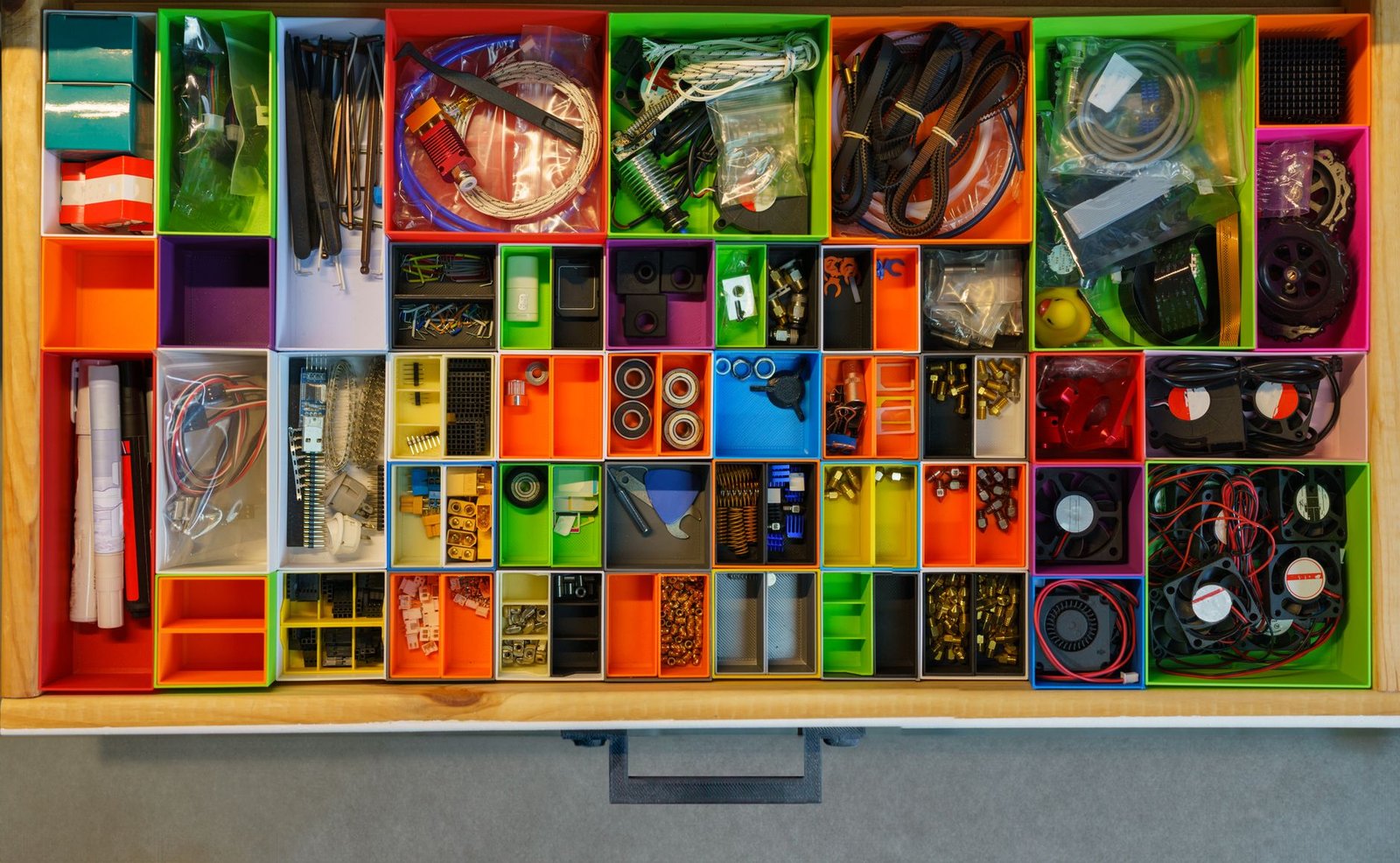
In 2026, residents seeking to optimize dresser organization frequently weigh the merits of drawer dividers against storage bins. While both methods offer distinct advantages, the superior choice ultimately depends on the specific contents, dresser configuration, and personal habits of the homeowner. This article delves into the contemporary features and applications of each, assisting in the selection of the most effective tidying solution for diverse needs and modern living spaces.
Drawer Dividers: The Precision Organizer
Drawer dividers excel at creating bespoke compartments within a dresser drawer, transforming chaotic spaces into meticulously organized sections. This approach is particularly effective for items that benefit from individual categorization and easy visual access.
Advantages of Drawer Dividers in 2026
- Customization and Structure: Modern dividers, especially modular and adjustable systems, allow for precise tailoring of drawer space. Materials like expandable bamboo, sleek acrylic, and even smart composite plastics with adaptable segments are prevalent.
- Enhanced Visibility: With items separated and standing upright, the resident gains an immediate visual inventory of contents. This minimizes rummaging and saves time during daily routines.
- Space Maximization: By preventing items from shifting and sprawling, dividers help maximize the usable volume within a drawer, making every inch count. This is crucial for smaller items like socks, undergarments, ties, and accessories.
- Material Innovation: The 2026 market sees an increase in dividers made from recycled PET plastics and biocomposite materials, offering durability alongside environmental responsibility. Some advanced dividers incorporate soft, anti-slip silicone or felt linings to protect delicate garments and prevent items from sliding.
Disadvantages of Drawer Dividers
- Fixed or Less Versatile Layout: Once installed, especially rigid systems, dividers can limit the flexibility of a drawer. A change in wardrobe or item size may necessitate a complete rearrangement or replacement of the divider system.
- Potential for Wasted Space: If compartments are not perfectly sized for items, gaps can emerge, leading to inefficient use of space. This requires careful measurement and selection.
- Dresser Specificity: Dividers are typically designed for specific drawer depths and widths, making them less transferable between different pieces of furniture.
Storage Bins: The Flexible Container
Storage bins, conversely, offer a more adaptable and portable solution for containing various items within a dresser. They are particularly favored for their versatility and ability to conceal contents, promoting a streamlined aesthetic.
Advantages of Storage Bins in 2026
- Portability and Transferability: Bins can be easily lifted out of a drawer, moved to a different location, or even transferred between dressers. This makes them ideal for temporary storage, packing, or organizing items that need to be accessed elsewhere.
- Enhanced Containment: For bulkier items, odd-shaped accessories, or collections of smaller pieces that don’t neatly fit into divider slots, bins provide excellent containment, preventing items from spilling or mixing.
- Aesthetic Appeal and Concealment: Many contemporary bins are designed with aesthetic considerations, featuring woven textures from sustainable materials like hemp or jute, or sleek, minimalist designs in matte finishes. They can effectively conceal clutter, contributing to a cleaner visual profile within the drawer.
- Adaptability and Modularity: The 2026 market offers modular bin systems that stack or interlock, allowing for dynamic configurations. Soft-sided, compressible fabric bins made from recycled cotton blends are also popular for seasonal items or those needing gentle storage.
- Smart Integration: Some high-end bins in 2026 are emerging with RFID tags or QR codes, enabling users to digitally catalog contents for easier inventory management via smart home applications.
Disadvantages of Storage Bins
- Potential for Space Inefficiency: The walls of bins consume space, potentially reducing the overall usable volume compared to perfectly fitted dividers. If not chosen carefully, gaps between bins can also waste valuable drawer real estate.
- Accessibility Challenges: Depending on the bin’s height and the dresser’s depth, it can sometimes be harder to see or retrieve items at the bottom of a bin without removing it or its contents.
- Bulkier Profile: Even empty, bins occupy a certain volume, which might be a consideration for residents with very limited storage.
Making the Optimal Choice for Dresser Organization
The decision between drawer dividers and storage bins in 2026 hinges on several practical considerations, tailored to the homeowner’s specific needs and the dresser’s intended function.
Considerations for Selection
- Item Type: For small, frequently accessed items like socks, undergarments, ties, or jewelry, drawer dividers offer unparalleled precision and visibility. For bulkier apparel like sweaters, jeans, or a collection of scarves, storage bins provide better containment.
- Dresser Dimensions and Configuration: Shallow drawers might benefit more from dividers that maintain a low profile, while deeper drawers can accommodate taller bins. Consider the internal height and width for optimal fit.
- Aesthetic Preference: Residents prioritizing a sleek, minimalist look that conceals clutter might favor bins. Those who appreciate an ‘everything in its place’ visual and immediate access often prefer dividers.
- Frequency of Rearrangement: If the resident frequently reconfigures wardrobe items or moves belongings, the portability and flexibility of storage bins are advantageous. For a stable, long-term organization system, drawer dividers can be more permanent.
- Budget and Sustainability: Both options come in various price points and material compositions. Sustainable choices, such as bamboo dividers or bins made from recycled materials, are increasingly accessible and align with modern eco-conscious living.
Integration and Hybrid Solutions in 2026
Often, the most effective dresser organization in 2026 involves a hybrid approach, combining the strengths of both drawer dividers and storage bins. For example, a homeowner might use rigid dividers for undergarments in one drawer, while employing soft-sided bins for seasonal accessories or bulkier clothing in another. Modular divider systems can sometimes be paired with smaller, open-top bins within larger compartments for specific sub-categories. The goal is to create a dynamic, personalized system that evolves with the resident’s needs and wardrobe.
Conclusion
In the landscape of 2026 home organization, both drawer dividers and storage bins stand as robust tools for taming dresser clutter. Drawer dividers offer precision, visibility, and custom structural integrity for smaller items, leveraging modern advancements in adaptable and sustainable materials. Storage bins provide flexibility, portability, and aesthetic concealment for a broader range of belongings, increasingly incorporating smart features and eco-friendly textiles. The ultimate ‘better’ solution is not universal; rather, it is the one that thoughtfully addresses the unique contents, spatial dynamics, and organizational preferences of the individual homeowner, often through a synergistic combination of both methods.