
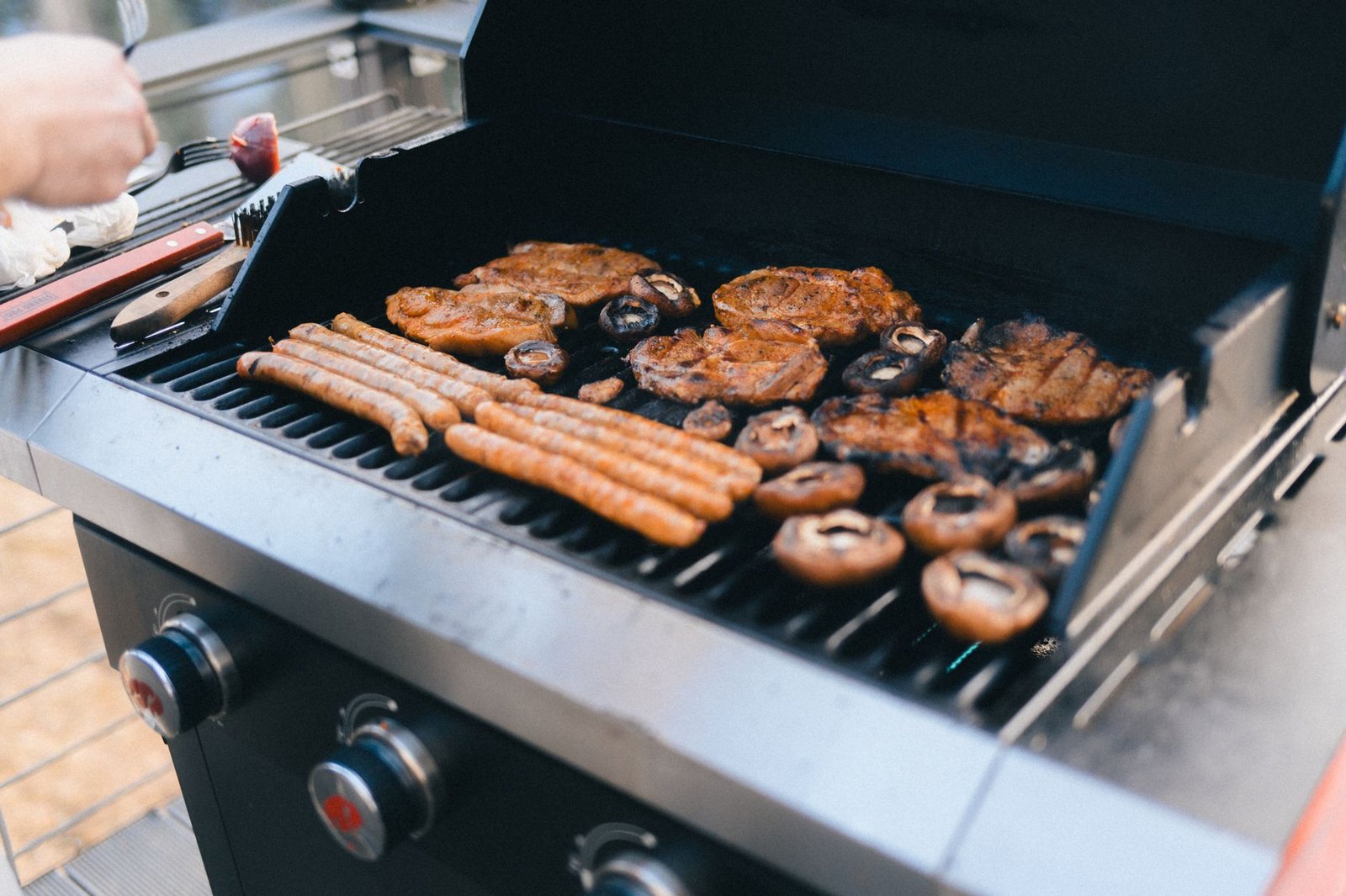
Choosing the ideal grill for a 2026 backyard BBQ involves a careful consideration of gas, charcoal, and pellet options, each presenting distinct advantages and disadvantages that cater to various culinary preferences, budget constraints, and desired levels of convenience. The optimal choice for the homeowner will hinge on whether speed and control, authentic smoky flavor, or automated wood-fired precision is prioritized for their outdoor cooking endeavors.
The Enduring Appeal of Outdoor Cooking
Outdoor cooking remains a cornerstone of domestic comfort and entertainment. In 2026, the market offers an impressive array of grilling technologies, moving beyond simple heat sources to integrated smart systems and advanced material compositions. Modern homeowners seek appliances that not only deliver exceptional flavor but also align with evolving lifestyles, including smart home integration and sustainable practices.
Gas Grills: Precision and Convenience Evolved
Gas grills continue to dominate for their unparalleled convenience and precise control, now enhanced with 2026 innovations.
Pros of Gas Grills
- Rapid Heating: Reaches cooking temperature quickly, ideal for weeknight meals.
- Precise Temperature Control: Multiple burners allow for distinct heat zones and consistent cooking.
- Ease of Use: Simple ignition and minimal cleanup compared to charcoal.
- 2026 Innovations: Current models feature advanced ceramic-coated cast iron grates for superior heat retention and non-stick properties, alongside integrated infrared burners for intense searing. Smart gas grills now offer Wi-Fi/Bluetooth connectivity for remote temperature monitoring, fuel level checks, and even recipe integration through companion apps.
Cons of Gas Grills
- Flavor Profile: Generally produces less smoky flavor than charcoal or pellet grills, though smoker boxes can mitigate this.
- Fuel Management: Propane tank refills or natural gas line installation are necessary.
- Initial Cost: High-end models with advanced features can represent a significant investment.
2026 Trends in Gas Grilling
The 2026 landscape for gas grills emphasizes connectivity and efficiency. Manufacturers are incorporating modular designs, allowing residents to customize their grilling stations with side burners, rotisserie kits, and even integrated refrigeration. Sustainable propane sourcing is also a growing focus, with certified green propane options becoming more accessible. Titanium-reinforced stainless steel components are increasing in popularity, offering enhanced durability and corrosion resistance against outdoor elements.
Charcoal Grills: The Quintessential Smoke Experience
For those who covet the traditional, smoky flavor that defines classic BBQ, charcoal grills remain the gold standard, now with smarter designs.
Pros of Charcoal Grills
- Unmatched Flavor: Delivers the deepest, most authentic smoky flavor and crisp char.
- High Searing Temperatures: Capable of reaching extreme heat for perfect steak searing.
- Versatility: Excellent for both high-heat grilling and low-and-slow smoking (especially kamado-style grills).
- Affordability: Entry-level models are generally more budget-friendly.
- 2026 Innovations: Modern charcoal grills feature advanced airflow management systems, sometimes incorporating smart dampers that can be controlled via an app to maintain precise temperatures. Improved ash collection systems, such as one-touch cleaning and removable ash cassettes, significantly streamline cleanup.
Cons of Charcoal Grills
- Longer Heat-Up Time: Requires more time for charcoal to reach optimal cooking temperature.
- Temperature Control: Can be more challenging to regulate heat precisely without advanced systems.
- Cleanup: Involves ash disposal, which can be messier than gas.
2026 Trends in Charcoal Grilling
Innovations in charcoal grilling for 2026 focus on enhancing control and user experience. New briquette formulations with integrated flavor wood dusts (e.g., apple, hickory) offer customized smoke profiles. Ceramic kamado grills continue to evolve with lighter, more durable ceramic compounds and smarter lid-sealing technologies for unparalleled heat retention. Portable charcoal options are seeing design improvements, featuring better insulation and more efficient fuel consumption for outdoor adventures.