In 2026, the investment required to build a raised garden bed can vary substantially, with estimates typically ranging from $100 for a small, basic DIY wooden model to upwards of $1,500 or more for a large, professionally installed, premium composite or metal design. This broad range excludes the cost of soil, which represents another significant component. The total expenditure is heavily influenced by crucial factors such as material selection, the dimensions of the bed, whether professional labor is engaged, and the specific soil and amendment requirements. Understanding these variables is essential for any homeowner or resident planning to enhance their outdoor living space with a raised garden bed in the current year.
Understanding 2026 Raised Garden Bed Costs
The cost of a raised garden bed in 2026 is not a single figure but rather a spectrum determined by several interconnected elements. Economic shifts, advancements in material science, and evolving labor markets all play a role in shaping the final price tag. For the homeowner considering this popular landscape addition, a detailed breakdown of expenses is crucial for effective budgeting and decision-making.
Key Cost-Driving Factors
- Materials: The foundation of any raised bed, materials vary widely in price, durability, and aesthetic appeal.
- Size and Design: Larger or custom-designed beds naturally incur higher material and potential labor costs.
- Labor: DIY construction offers significant savings, while professional installation provides convenience and expertise.
- Soil and Amendments: The volume and quality of the growing medium are often underestimated but are critical for success.
- Additional Features: Integrated irrigation, trellises, or smart sensors can add to the total.
Material Costs in 2026: Trends and Innovations
Material choices for raised garden beds in 2026 reflect a growing emphasis on sustainability, durability, and aesthetic integration with modern home design. Prices can fluctuate based on supply chain dynamics, but general trends provide a reliable outlook.
Wood Options
- Treated Lumber: More affordable, but the use of ACQ (Alkaline Copper Quaternary) treated lumber, while safe for food gardening, requires careful sourcing. Expect costs from $3-$7 per linear foot.
- Cedar: A naturally rot-resistant and attractive option, cedar remains a premium choice. Its sustainability is increasingly scrutinized, leading to slight price increases for certified lumber. Costs range from $6-$12 per linear foot.
- Redwood: Similar to cedar in properties and cost, often preferred in specific regions.
- Upcycled Wood: Utilizing reclaimed wood can offer significant savings and environmental benefits, though availability and condition vary.
Metal Options
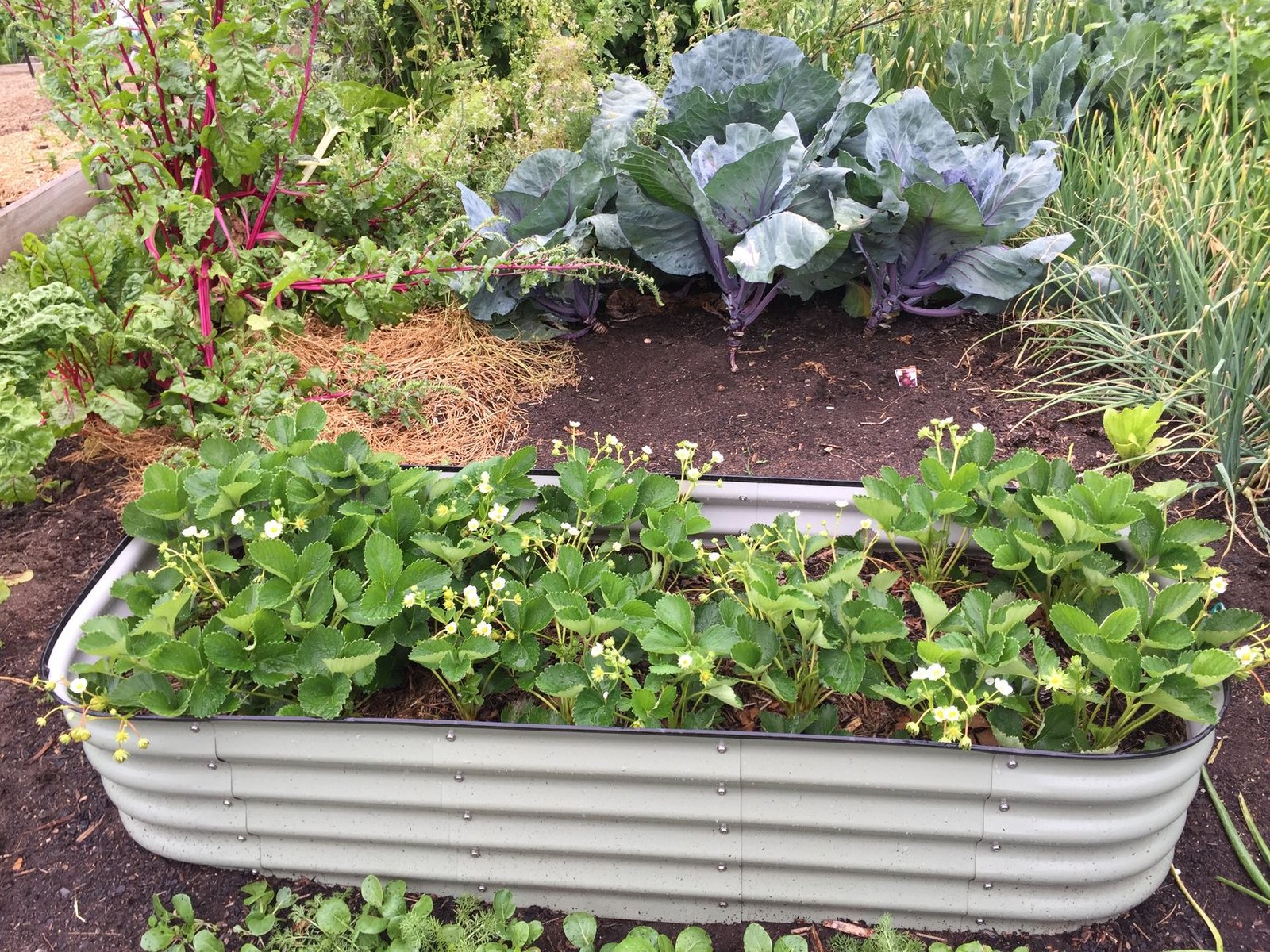
- Corrugated Steel (Galvanized or Zincalume): Highly durable, long-lasting, and increasingly popular for its modern aesthetic. Prices have stabilized, ranging from $80-$300 for pre-fabricated kits depending on size, or $5-$10 per square foot for panels.
- Aluminum: Lighter, rust-proof, and low maintenance. Often found in premium modular systems. Cost can be higher than steel, approximately $100-$400+ for kits.
Composite and Recycled Materials
2026 sees continued innovation in composite materials and the widespread adoption of recycled plastics. These options offer excellent longevity, minimal maintenance, and are often perceived as more environmentally friendly.
- Wood-Plastic Composites (WPC): Offer the look of wood with enhanced durability and resistance to rot/pests. Pricing is comparable to or slightly higher than cedar, from $8-$15 per linear foot.
- Recycled Plastic Lumber: Made entirely from post-consumer plastics, these beds are extremely durable and impervious to rot, insects, or moisture. They are gaining market share due to their ecological footprint and longevity. Costs are competitive, generally from $7-$14 per linear foot.
Modern Material Developments for 2026
Beyond traditional materials, 2026 highlights the integration of smart technologies. Manufacturers are exploring raised beds with built-in moisture sensors, self-watering reservoirs, or even solar-powered integrated lighting systems. These ‘smart beds’ will reside at the higher end of the cost spectrum, potentially adding $50-$200+ per unit for advanced features, offering enhanced convenience and optimized growing conditions for the tech-savvy resident.
Labor and Installation Expenses
The decision between a DIY project and professional installation significantly impacts the overall cost.
DIY Savings
For the handy homeowner, building a raised bed can be a rewarding and cost-effective endeavor. Excluding personal time, the only labor cost is the effort invested. This approach is highly recommended for simpler designs and smaller beds.
Professional Installation Rates
Engaging a landscape contractor or professional builder provides convenience and ensures quality construction. In 2026, professional labor rates for raised garden bed installation typically range from $50-$100 per hour, depending on regional market rates, the complexity of the design, and the size of the project. A small bed might take 2-4 hours, while a larger, custom installation could require a full day or more of work, costing anywhere from $200-$800+ in labor alone. Many contractors may also charge a flat fee for the entire project, encompassing materials and labor.
The Often-Overlooked Cost: Soil and Amendments
Filling a raised garden bed requires a substantial volume of quality soil, which is often a significant, yet underestimated, expense.
Soil Volume and Type
The required volume of soil depends directly on the bed’s dimensions. A standard 4×8-foot bed at 12 inches deep needs approximately 32 cubic feet (1.2 cubic yards) of soil. For 2026, soil costs are influenced by composition and sourcing:
- Basic Topsoil: More affordable, but may lack essential nutrients. Prices range from $30-$60 per cubic yard.
- Bagged Raised Bed Mix: Convenient for smaller beds, but more expensive per volume. Expect $8-$15 per 1.5-2 cubic feet bag.
- Bulk Organic Garden Soil: A premium blend optimized for growing, offering superior drainage and nutrient content. This is the recommended choice for optimal plant health. Prices typically fall between $60-$120 per cubic yard.
Amendments and Delivery
Beyond basic soil, amendments such as compost, perlite, vermiculite, and fertilizers are often necessary to create an ideal growing environment. These can add another $20-$100+ depending on the bed’s size and specific plant needs.
Delivery fees for bulk soil can range from $40-$150, depending on the distance from the supplier and the quantity ordered. Picking up soil personally can eliminate this cost but requires appropriate transportation.
Optimizing Investment: Smart Choices for 2026 Gardeners
For the resident aiming to build a raised garden bed effectively, several strategies can help manage costs without compromising quality or longevity.
- Strategic Material Selection: Evaluate the long-term cost. While wood might be cheaper upfront, durable materials like corrugated steel, composites, or recycled plastics may offer better value over decades through reduced maintenance and replacement needs.
- DIY for Smaller Projects: For beds under 4×8 feet, the cost savings from self-assembly are substantial. Kits available in 2026 are increasingly user-friendly, with pre-drilled holes and clear instructions.
- Source Soil in Bulk: For multiple or larger beds, purchasing soil by the cubic yard from a local landscape supplier is significantly more cost-effective than buying individual bags.
- Consider Modular Systems: Many contemporary raised bed designs are modular, allowing for future expansion or reconfiguration. This offers flexibility and can be a phased investment.
- Leverage Local Resources: Local community gardens or horticultural societies may offer workshops, shared tools, or advice on sourcing materials and soil efficiently.
Building a raised garden bed in 2026 represents a valuable investment in home aesthetics, food production, and domestic comfort. By carefully considering materials, labor, soil, and the latest industry trends, the homeowner can create a thriving garden space that aligns with both horticultural aspirations and budgetary parameters.